
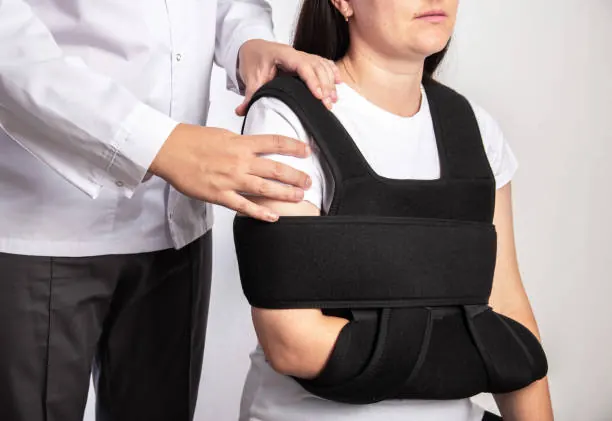
You may be wondering how long your shoulder will feel weak, when you can stop using a sling, or when you can finally return to normal activities after surgery. Even simple tasks such as putting on a shirt, reaching for something on a shelf, or sleeping comfortably can be difficult during the early stages of healing.
Shoulder labral tear surgery recovery usually takes several months, not just a few weeks. The exact timeline depends on the type and location of the tear, the surgical procedure, whether other shoulder structures were repaired, and how your shoulder progresses through rehabilitation. Rehabilitation protocols are also adjusted according to the surgeon’s findings and the individual patient’s progress.
The encouraging part is that recovery is normally structured. Rather than expecting your shoulder to become fully functional immediately, rehabilitation gradually moves from protecting the repair to restoring motion, rebuilding strength, and eventually returning to work, exercise, or sports. This guide explains what to expect at each stage and why your recovery may be faster or slower than someone else’s.
What Is the Typical Shoulder Labral Tear Surgery Recovery Time?
Most people should expect shoulder labral tear surgery recovery to take several months, with the early weeks focused on protecting the repair and later months focused on strength and function. A full return to demanding activities can take longer, particularly after a repair involving shoulder instability or an athletic activity that places high stress on the joint.
There is no single recovery timeline that applies to every labral tear. A surgeon may repair a superior labrum, anterior labrum, or posterior labrum — see our guide to types of shoulder labral tears for how these differ — and additional procedures may be performed during the same operation. The number and location of anchors, associated injuries, shoulder laxity, and the patient’s goals can all influence rehabilitation.
A simplified recovery pattern looks like this:
First few weeks: Protect the surgical repair and control pain and swelling.
Around 3–6 weeks: Gradually restore carefully controlled shoulder movement, depending on the procedure.
Around 6–12 weeks: Progress toward active movement and rebuilding shoulder control and strength.
After about 12 weeks: More demanding strengthening may be introduced when appropriate.
Several months: Gradual return to heavier work, recreational activities, and sport-specific movements.
These are general stages rather than personal medical instructions. Your surgeon or physical therapist may use a different schedule based on the repair.
Why Does Recovery Take So Long?
A labral repair is not simply a matter of treating shoulder pain. The surgeon may use anchors and sutures to reattach the damaged labrum to the edge of the shoulder socket — for context on how this decision gets made, see shoulder labral tear treatment options. The repaired tissue then needs time to heal while the surrounding muscles gradually regain normal control.
That creates a difficult balance. Moving the shoulder is necessary to prevent excessive stiffness, but moving it too aggressively can place stress on the healing repair.
For this reason, rehabilitation is usually criterion-based as well as time-based. Mass General Brigham’s SLAP repair protocol specifically notes that progression can vary according to the type of lesion, size of the tear, number of anchors, additional procedures, shoulder laxity, and the patient’s activity goals — our breakdown of SLAP tear physical therapy exercises and recovery covers this specific repair type in more depth.
This is also why copying another person’s shoulder labral tear rehab protocol can be a mistake. Two people may have the same diagnosis but different surgical repairs.
Shoulder Labral Tear Surgery Recovery Timeline
Weeks 0–3: Protecting the Repair
The first stage is usually the most restrictive.
After surgery, you may spend much of the day wearing a sling. Your surgeon may limit active shoulder movement and lifting while the repaired tissue begins healing.
Early rehabilitation may concentrate on:
Controlling pain and swelling
Protecting the repaired labrum
Maintaining movement in the hand, wrist, and elbow when permitted
Gradually introducing carefully controlled shoulder motion
Learning how to perform daily activities without stressing the repair
For example, a Mass General Brigham protocol for type II SLAP repair uses the first 0–3 weeks to protect the repair, reduce pain and swelling, maintain movement in the elbow, hand, and wrist, and gradually increase passive shoulder motion. The protocol restricts active shoulder movement, lifting, and supporting body weight through the hands during this phase.
Do not assume that an exercise is safe simply because it is commonly recommended for shoulder rehabilitation. See our list of exercises to avoid with a shoulder labral tear and common mistakes that can make a labral tear worse — the correct movement depends on the procedure you had.
Weeks 3–6: Gradually Restoring Movement
As healing progresses, your rehabilitation may begin placing greater emphasis on restoring shoulder range of motion.
The goal is not necessarily to regain full movement immediately. Your therapist may deliberately limit certain directions of movement to protect the repaired tissue.
This can be frustrating. You may feel that your shoulder could move farther, but deliberately stopping short of a particular position may be part of the treatment plan.
During this period, rehabilitation may include:
Gentle assisted or passive shoulder movement
Shoulder blade control
Continued hand and elbow mobility
Gradual reduction in sling use when authorized
Basic exercises designed to restore neuromuscular control
The exact restrictions vary considerably between procedures. For example, protocols following anterior shoulder stabilization can restrict movements that place stress on repaired tissues for several weeks.
Weeks 6–12: Building Control and Strength
Once sufficient healing and movement have been established, rehabilitation generally becomes more active.
This is when you may begin working toward:
Better shoulder control
Improved range of motion
Gradual strengthening
Improved scapular stability
Better tolerance for everyday activities
The transition should be gradual. A shoulder that feels better does not necessarily mean the repair is ready for heavy resistance.
General shoulder conditioning programs emphasize restoring both flexibility and strength, but exercises after surgery should be selected according to the specific repair and your clinician’s instructions — our guide to shoulder strengthening exercises for athletes covers how this progression typically looks once you’re cleared for it.
After 12 Weeks: Progressive Strengthening
Around this stage, rehabilitation may become more focused on strength and functional movement.
Depending on your surgery and progress, your therapist may gradually introduce more resistance and movements that resemble your normal activities.
This does not automatically mean you are ready for heavy lifting, throwing, contact sports, or intense overhead exercise.
For some shoulder procedures, heavier activities remain restricted for several additional months. Recovery should therefore be judged by strength, movement, symptoms, healing, and clinical milestones rather than by the calendar alone.
When Can You Return to Normal Activities?
Returning to normal activities happens gradually rather than on one specific day.
Returning to work
Your return-to-work date depends heavily on what your job requires.
Someone working at a computer may return considerably earlier than someone who lifts, carries, pushes, pulls, or repeatedly works overhead.
For comparison, NHS guidance for some shoulder stabilization procedures reports desk-work return around a few weeks, while physically demanding or overhead work may require substantially longer restrictions.
Your surgeon may provide work restrictions based on the specific repair.
Driving
Driving requires more than simply being able to sit in the driver’s seat. You need enough shoulder control to operate the vehicle safely and respond quickly if necessary.
You should not drive while your movement is significantly restricted or while you are taking medication that makes driving unsafe. Your surgeon or physical therapist can advise when your movement and control are sufficient.
Sleeping
Sleep can be one of the more frustrating parts of early recovery.
The operated shoulder may be uncomfortable when lying down, and some patients find sleeping on their back with the arm supported more comfortable. Some procedures also require avoiding pressure on the operated side for a period of time. If discomfort spreads toward the pain between shoulder blades from compensating positions, mention this to your care team as well.
Follow the positioning instructions given by your surgical team rather than forcing yourself into a particular sleeping position.
Returning to exercise and sports
Sports generally require more than basic shoulder movement. Throwing, swimming, weightlifting, racket sports, and contact sports can place substantial demands on the shoulder.
A return-to-sport program may therefore include progressive strengthening and activity-specific exercises before unrestricted participation is allowed. Browse our full workouts & exercises library once you’re cleared to broaden your routine.
The timeline varies by procedure and sport. Some shoulder stabilization guidance, for example, places return to contact sports at approximately 6–9 months.
What Exercises Are Used During Labral Tear Shoulder Rehabilitation?
There is no universal list of exercises that every person should perform after labral surgery. Our roundup of best exercises for labral tear recovery walks through common options stage by stage.
Early rehabilitation may involve gentle, protected movements selected by the physical therapist. Later stages can incorporate strengthening exercises for the rotator cuff, shoulder blade muscles, and other structures that help stabilize the shoulder — see our guide on rotator cuff tear: signs, treatment, and recovery for how these two conditions can overlap.
Depending on the repair and stage of recovery, rehabilitation may include:
Passive or assisted range-of-motion exercises
Pendulum movements when specifically prescribed
Shoulder blade control exercises
Isometric strengthening
Rotator cuff strengthening
Progressive resistance exercises
Functional or sport-specific movements
A published Mass General Brigham protocol for SLAP repair illustrates how restricted early movement can gradually progress toward more active rehabilitation.
Do not use a general online shoulder exercise program as a substitute for your postoperative protocol. An exercise that is appropriate later in recovery may be inappropriate during the initial healing period.
What Exercises Should You Avoid After Labral Tear Surgery?
The answer depends on the type of repair, but early rehabilitation commonly restricts movements that could stress the repaired tissue.
Depending on your procedure, your surgeon may temporarily restrict:
Lifting weights
Supporting your body weight through the operated arm
Forceful overhead movements
Reaching behind your back
Certain external-rotation positions
Sudden pulling or pushing
Contact sports
Uncontrolled shoulder movements
For example, a Mass General Brigham SLAP repair protocol restricts lifting, body-weight support through the hands, and certain shoulder movements during the early postoperative phase. For a fuller list, see exercises to avoid with a shoulder labral tear.
The key point is simple: do not progress exercises based solely on how good your shoulder feels. Follow the progression prescribed for your particular repair.
What Can Make Shoulder Labral Tear Recovery Slower?
Recovery may take longer when the surgery involves additional procedures or when the shoulder has more complex damage.
Factors that can influence rehabilitation include:
The location and severity of the labral tear
The type of surgical repair
Additional procedures performed during surgery
Shoulder instability or laxity
Pre-existing stiffness — conditions like frozen shoulder can compound recovery time if present beforehand
Your overall physical condition
The demands of your job or sport
How your shoulder responds to rehabilitation
Postoperative complications
Mass General Brigham specifically identifies tear characteristics, number of anchors, additional procedures, shoulder hypermobility or laxity, and the desired sport as factors that can influence postoperative rehabilitation.
A slower recovery does not automatically mean that surgery has failed. Rehabilitation often progresses at different rates between individuals.
When Should You Contact Your Doctor?
Some discomfort is expected after surgery, but certain symptoms deserve prompt medical attention.
Contact your surgical team if you develop concerns such as:
Severe or uncontrolled pain
Fever or chills
Increasing redness around the incision
Excessive wound drainage
Persistent or worsening numbness or tingling
A sudden change in shoulder function
Symptoms that concern you or appear significantly different from what you were told to expect — if new pain radiates in an unusual way, our piece on can shoulder pain be a sign of heart problems explains other cases worth ruling out
Postoperative protocols from Mass General Brigham specifically advise contacting the physician for fever, persistent numbness or tingling, excessive incision drainage, uncontrolled pain, or other concerning symptoms.
If you experience severe symptoms or an emergency, seek urgent medical care rather than waiting for a routine follow-up appointment.
How Can You Support a Better Recovery?
You cannot completely control how quickly repaired tissue heals, but you can make rehabilitation more consistent and safer.
Follow your postoperative restrictions
Restrictions are part of the treatment, not an indication that rehabilitation is failing. Avoid adding exercises, weights, or stretches that have not been cleared.
Attend physical therapy
A structured rehabilitation program helps restore movement and strength while allowing progression to be adjusted according to your recovery. If you’re deciding between providers, see physical therapy vs. chiropractic care for how the two approaches differ.
Progress gradually
More exercise is not necessarily better. A sudden increase in resistance or activity can place unnecessary stress on a healing shoulder.
Support recovery with everyday habits
Simple measures can help in the background — our guide to top anti-inflammatory foods to relieve shoulder pain covers dietary support, and our broader pain management hub has additional day-to-day strategies, including fast home remedies for shoulder pain relief for milder discomfort between PT sessions.
Communicate changes
Tell your healthcare team if pain, swelling, numbness, weakness, or movement changes unexpectedly. Small changes can help your clinician decide whether your rehabilitation needs adjustment.
Frequently Asked Questions
1. How long does it take to recover from shoulder labral tear surgery?
Recovery usually takes several months, although the timeline varies considerably. Early recovery focuses on protecting the repair, while later rehabilitation emphasizes movement, strength, and return to normal activities. Our related piece, things I wish I knew before shoulder surgery, covers what the experience is actually like day to day.
2. How long will I need a sling after labral tear surgery?
The duration depends on the type of repair and your surgeon’s protocol. Some postoperative protocols use a sling during the early healing period, but the exact duration should come from your surgical team rather than a general timeline.
3. When does physical therapy start after shoulder labral surgery?
Rehabilitation often begins soon after surgery with carefully controlled movements, but the exercises and permitted range of motion depend on the repair. Some protocols begin passive movement during the first few weeks while restricting active shoulder movement.
4. Can I exercise after shoulder labral tear surgery?
Yes, rehabilitation normally includes exercise, but the type and intensity should progress gradually. Exercises appropriate during later strengthening phases may not be appropriate immediately after surgery.
5. When can I lift weights after labral tear surgery?
Heavy lifting is usually delayed until the repair has sufficiently healed and strength has been rebuilt. Your physical therapist or surgeon should determine when resistance training can progress and which movements are appropriate.
6. When can I sleep on my operated shoulder?
This depends on your procedure and comfort level. Your surgical team may recommend avoiding direct pressure on the operated side during early recovery while the repair heals.
7. When can I drive after shoulder labral surgery?
Driving should wait until you can safely control the vehicle and are no longer significantly restricted by the surgery, sling, pain, or medication. Your surgeon should clear you based on your specific recovery.
8. Can a shoulder labral tear surgery take longer to recover from than expected?
Yes. Additional procedures, the complexity of the tear, shoulder instability, stiffness, and individual healing can all change the timeline. Rehabilitation protocols are therefore adjusted when necessary.
9. When can I return to sports after labral tear surgery?
Return to sport is usually one of the later stages of rehabilitation. The timing depends on the sport, repair, strength, shoulder stability, range of motion, and your clinician’s assessment.
10. What if my shoulder still hurts months after surgery?
Some symptoms can persist during rehabilitation, but persistent, worsening, or unexpected pain should be discussed with your surgeon or physical therapist. For general coping strategies while symptoms settle, see living with a labral tear: pain management and daily tips. They can determine whether the symptoms fit your expected recovery or require further evaluation.
Conclusion
Shoulder labral tear surgery recovery is a gradual process that commonly takes several months. The first stage protects the repair, the middle stages restore controlled movement and strength, and the later stages prepare the shoulder for normal work, exercise, or sport.
The most useful approach is to follow the rehabilitation plan designed for your particular surgery rather than comparing your recovery with someone else’s. Your tear type, surgical technique, additional procedures, activity demands, and progress all matter. If you’re still weighing whether surgery is the right path, can a shoulder labral tear heal itself without surgery and shoulder labral tear vs. hip labral tear differences are useful starting points, alongside our overview of what a labral tear is, its symptoms, causes, and treatment and shoulder labral tear symptoms: early signs if you suspect a new or second injury. It’s also worth ruling out overlapping conditions like shoulder impingement syndrome if symptoms don’t match what you were told to expect.
If you have recently had surgery, your next step should be to confirm your specific restrictions and rehabilitation milestones with your orthopedic surgeon or physical therapist.
Disclaimer: This article is provided for educational and informational purposes only.
This article is for education purpose only and is not a diagnosis or a substitute for medical advice.