
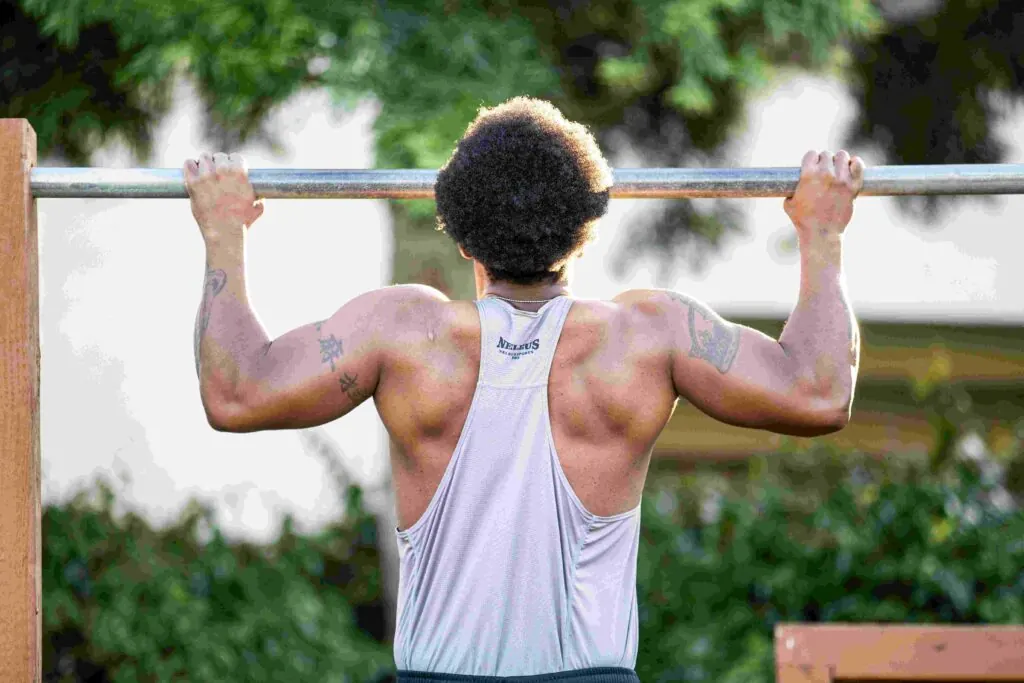
Strong shoulders are essential for athletes in almost every sport. Whether it is throwing, lifting, swimming, or contact sports, the shoulder joint plays a major role in performance and stability. Because the shoulder has a wide range of motion, it is also more vulnerable to injuries. Strengthening the muscles around the shoulder helps improve performance, reduce injury risk, and enhance overall control. A well-balanced exercise routine is important for maintaining both strength and flexibility. For more guidance on joint care and performance, explore expert orthopedic insights here
Importance of Shoulder Strength for Athletes
Athletes rely heavily on shoulder strength for power and endurance. Strong shoulder muscles support better movement control and reduce strain on joints and tendons. Weak shoulders can lead to imbalances, poor performance, and increased injury risk. In many cases, untreated discomfort can progress into chronic issues, as explained in types of shoulder pain and their causes.
Key Muscles Targeted
Shoulder exercises focus on multiple muscle groups that work together. Strengthening all these areas ensures balanced development and reduces the risk of injury.
-
Deltoid muscles (front, middle, and rear)
-
Rotator cuff muscles
-
Trapezius
-
Rhomboids
-
Upper back muscles
Training these muscles together helps improve coordination and shoulder stability.
Best Shoulder Strengthening Exercises
Overhead Press
The overhead press is one of the most effective exercises for building shoulder strength. It targets the deltoid muscles and also engages the upper chest and triceps. This exercise improves pushing strength and overall stability. It can be performed using dumbbells or a barbell depending on the athlete’s level. Maintaining proper form is important to avoid strain on the joints.
Lateral Raises
Lateral raises help build the side deltoid muscles, giving the shoulders width and strength. This exercise is useful for improving shoulder balance and appearance. It involves lifting weights out to the sides with controlled movement. Using light to moderate weights ensures proper technique. Slow and steady motion increases effectiveness.
Front Raises
Front raises target the front part of the shoulder. This exercise is beneficial for athletes involved in pushing or lifting movements. It helps improve shoulder endurance and control. Dumbbells or plates can be used for variation. Proper posture during the movement prevents unnecessary strain.
Reverse Fly
Reverse fly exercises strengthen the rear deltoids and upper back. These muscles are important for posture and shoulder stability. This exercise helps balance the front and back of the shoulder. It is especially useful for athletes who perform forward-dominant movements. Controlled motion ensures better results and reduces injury risk.
Push-Ups
Push-ups are a simple yet effective bodyweight exercise for shoulder strength. They also engage the chest, triceps, and core muscles. This exercise improves overall upper body stability. Variations like incline or decline push-ups can increase difficulty. Consistent practice builds endurance and strength. These movements can also support recovery when combined with effective shoulder pain treatment approaches.
Plank Shoulder Taps
This exercise combines strength and stability training. It involves holding a plank position while tapping one shoulder with the opposite hand. It strengthens the shoulders, core, and stabilizing muscles. This movement improves coordination and balance. Keeping the body steady during the exercise is essential for effectiveness.
Resistance Band External Rotation
This exercise targets the rotator cuff muscles, which are crucial for shoulder stability. It is commonly used in injury prevention and rehabilitation. Resistance bands provide controlled tension throughout the movement. Performing this exercise regularly strengthens small but important muscles. It also helps improve joint health and mobility.
Training Tips for Athletes
Following the right approach to training is just as important as the exercises themselves. Proper technique and consistency ensure better results and reduce injury risk.
-
Always warm up before starting exercises
-
Focus on proper form rather than heavy weights
-
Gradually increase intensity and resistance
-
Include rest days to allow muscle recovery
-
Combine strength training with flexibility exercises
-
Avoid overtraining to prevent injuries. Supporting your routine with proper nutrition, including anti-inflammatory foods for joint health, can also improve recovery.
Common Mistakes to Avoid
Many athletes make mistakes that can lead to injuries or slow progress. Being aware of these errors helps improve training effectiveness.
-
Lifting weights that are too heavy
-
Ignoring proper form and technique
-
Skipping warm-up or cool-down
-
Overtraining without enough rest
-
Neglecting smaller stabilizing muscles
Avoiding these mistakes helps maintain long-term shoulder health.
FAQs
1. How often should athletes train shoulders
Athletes can train shoulders 2 to 3 times per week depending on intensity.
2. Are shoulder exercises important for all sports
Yes, strong shoulders are important for most sports and physical activities.
3. Can these exercises prevent injuries
Yes, strengthening muscles improves stability and reduces injury risk.
4. Should beginners lift heavy weights
No, beginners should start with light weights and focus on proper form.
5. Are resistance bands effective
Yes, they are very effective for strengthening and rehabilitation.
6. Can I train shoulders every day
No, muscles need rest to recover and grow properly.
7. Do shoulder exercises improve posture
Yes, strong shoulder and back muscles support better posture.
8. What is the best warm-up
Light cardio and dynamic stretching are good warm-up options.
9. Can bodyweight exercises build shoulder strength
Yes, exercises like push-ups and planks are very effective.
10. How long before I see results
Results may appear within a few weeks with consistent training.
Conclusion
Shoulder strengthening exercises are essential for athletes who want to improve performance and prevent injuries. A balanced routine that targets all shoulder muscles ensures better stability and control. Consistency, proper technique, and gradual progression are key factors in achieving good results. Ignoring shoulder strength can lead to weakness and higher injury risk. With the right approach, athletes can build strong and healthy shoulders for long-term success.
Disclaimer
This content is for informational purposes only and should not be considered medical advice. Always consult a qualified professional before starting any new exercise program.
This article is for education purpose only and is not a diagnosis or a substitute for medical advice.