
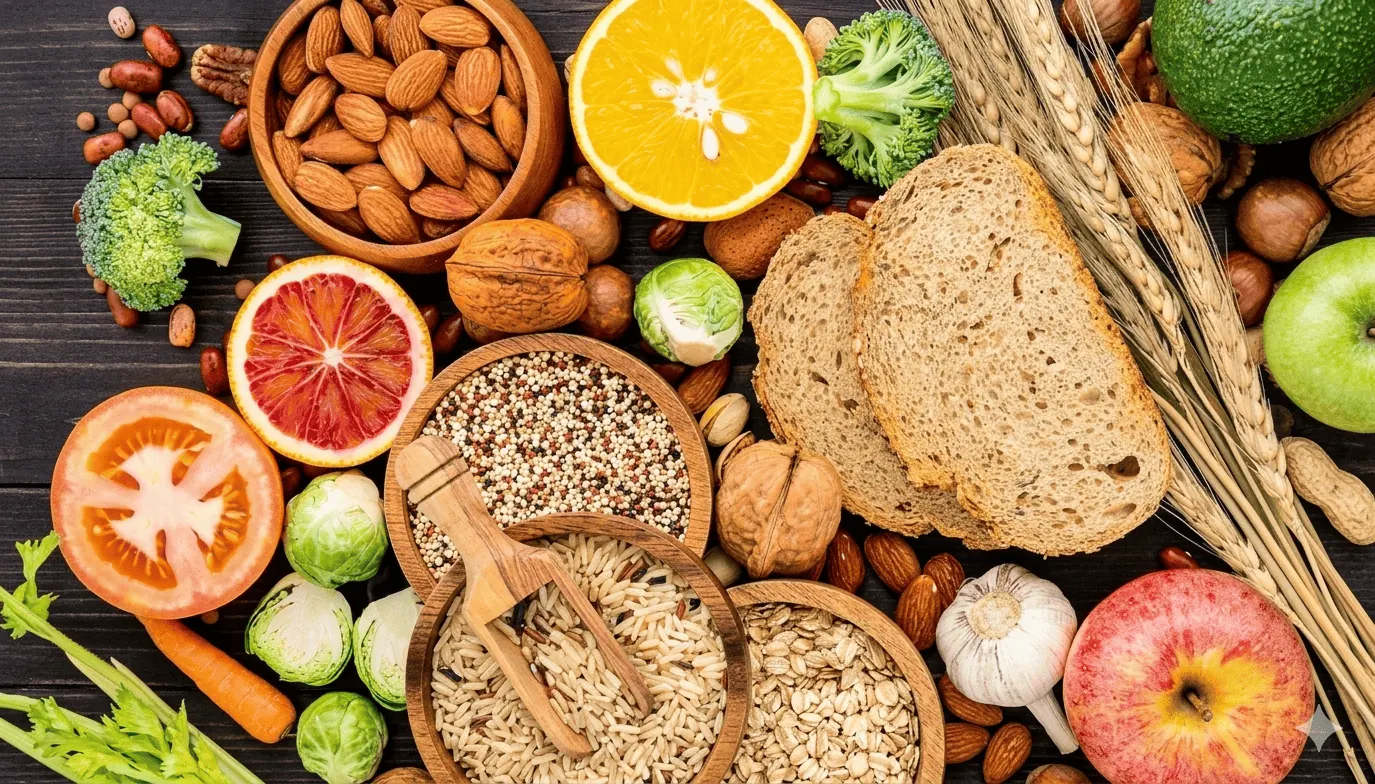
Shoulder pain can disrupt daily life, making simple tasks like reaching, lifting, or even sleeping uncomfortable. While physical therapy, exercises, and medical treatments are essential, what you eat can also play a significant role in reducing inflammation and supporting shoulder health.
Certain foods contain anti-inflammatory compounds that help decrease joint inflammation, promote tissue repair, and reduce pain.In this guide, we’ll explore the top anti-inflammatory foods to relieve shoulder pain, along with tips on how to include them in your daily diet. You can also explore more recovery strategies on this joint health resource
How Diet Affects Shoulder Pain
Inflammation is often at the root of chronic shoulder pain, including conditions such as those explained in types of shoulder pain causes and symptoms:
- Rotator cuff injuries
- Shoulder tendonitis
- Frozen shoulder (learn more about early signs, stages, and recovery)
- Shoulder bursitis
- Arthritis in the shoulder
Eating a diet rich in anti-inflammatory foods can:
- Reduce swelling in joints and tissues
- Support recovery after injury
- Improve mobility and function
- Complement other shoulder pain treatments
Top Anti-Inflammatory Foods for Shoulder Pain
1. Fatty Fish
Examples: Salmon, mackerel, sardines, trout
Why it helps: Rich in omega-3 fatty acids, fatty fish reduce inflammation and may help relieve joint pain caused by arthritis or tendon issues.
Tip: Include 2–3 servings per week, grilled, baked, or steamed.
2. Leafy Green Vegetables
Examples: Spinach, kale, Swiss chard, collard greens
Why it helps: Packed with antioxidants and vitamins like vitamin K, leafy greens reduce inflammatory markers in the body.
Tip: Add a handful to salads, smoothies, or sauté as a side dish.
3. Berries
Examples: Blueberries, strawberries, raspberries, blackberries
Why it helps: Berries contain anthocyanins, powerful antioxidants that help reduce inflammation and oxidative stress in joints.
Tip: Enjoy fresh or frozen berries with yogurt, oatmeal, or as a snack.
4. Nuts and Seeds
Examples: Walnuts, almonds, flaxseeds, chia seeds
Why it helps: Rich in healthy fats and vitamin E, nuts and seeds reduce inflammation and protect joint tissues.
Tip: Sprinkle seeds over salads, add nuts to snacks, or blend into smoothies.
5. Olive Oil
Why it helps: Extra virgin olive oil contains oleocanthal, a compound with anti-inflammatory properties similar to NSAIDs.
Tip: Use as a salad dressing or for light cooking instead of butter.
6. Turmeric
Why it helps: Turmeric contains curcumin, a potent anti-inflammatory compound shown to reduce joint pain.
Tip: Add turmeric to soups, curries, or smoothies. Pair with black pepper for better absorption.
7. Green Tea
Why it helps: Rich in polyphenols and antioxidants, green tea can reduce inflammation and support joint health.
Tip: Drink 2–3 cups per day, hot or iced, without added sugar.
8. Tomatoes
Why it helps: Tomatoes are high in lycopene, an antioxidant that fights inflammation, especially in joint tissues.
Tip: Include fresh tomatoes in salads or cook them into sauces to increase bioavailability.
9. Garlic and Ginger
Why it helps: Both garlic and ginger have anti-inflammatory compounds that can reduce pain and swelling in joints.
Tip: Add fresh garlic and ginger to meals, teas, or smoothies.
10. Whole Grains
Examples: Oats, brown rice, quinoa, barley
Why it helps: High in fiber, whole grains reduce levels of C-reactive protein (CRP), a marker of inflammation.
Tip: Replace refined grains with whole grains in daily meals for better joint health.
Lifestyle Tips to Complement an Anti-Inflammatory Diet
- Stay hydrated: Water helps flush toxins and reduce inflammation.
- Maintain a healthy weight: Excess weight increases stress on joints.
- Limit inflammatory foods: Reduce intake of sugar, processed foods, and trans fats.
- Combine with exercise: Gentle routines like shoulder strengthening exercises for athletes and stretching enhance results.
- Consult an orthopedic specialist: For chronic shoulder pain or injuries, diet alone is not enough.
FAQs About Diet and Shoulder Pain
1. Can diet alone cure shoulder pain?
No, diet supports pain relief and recovery but should be combined with exercise, therapy, or medical treatment if needed.
2. How long before diet changes reduce shoulder pain?
Some people notice improvements in a few weeks, but chronic inflammation may take 2–3 months to show benefits.
3. Are anti-inflammatory supplements effective?
Supplements like fish oil or curcumin may help, but whole foods are generally more effective. Consult a specialist before starting supplements.
4. Can sugar worsen shoulder pain?
Yes, high sugar intake increases inflammation and may exacerbate joint discomfort.
5. Are dairy products inflammatory?
Some dairy can trigger inflammation in sensitive individuals, but low-fat options are generally safe.
6. Is coffee anti-inflammatory?
Moderate coffee consumption has antioxidants, but avoid excessive sugar or cream.
7. Can hydration reduce shoulder pain?
Staying hydrated helps lubricate joints and supports tissue recovery.
8. Should I combine diet with exercise?
Absolutely. Diet reduces inflammation, while exercise strengthens muscles and improves mobility.
9. Can spicy foods help?
Certain spices like turmeric and ginger are anti-inflammatory, but very spicy foods may irritate sensitive individuals.
10. Is a Mediterranean diet good for shoulder pain?
Yes! Rich in fish, vegetables, nuts, and olive oil, it’s proven to reduce inflammation and improve joint health.
Final Thoughts
While shoulder pain often requires medical attention, incorporating anti-inflammatory foods into your daily diet can significantly support recovery and reduce discomfort. Combining a nutrient-rich diet with proper exercises and guidance from shoulder pain treatment options non-surgical vs surgical creates a holistic approach. For quicker symptom relief, you can also explore fast home remedies for shoulder pain.
Eating smart is not a replacement for therapy, but it’s a powerful tool that works alongside exercise, treatment, and lifestyle adjustments to keep your shoulders healthy and pain-free.
Disclaimer
This blog is for informational purposes only and is not a substitute for medical advice. Always consult a licensed orthopedic specialist, physical therapist, or healthcare provider before making dietary changes or starting treatment for shoulder pain. Individual results may vary.
This article is for education purpose only and is not a diagnosis or a substitute for medical advice.