
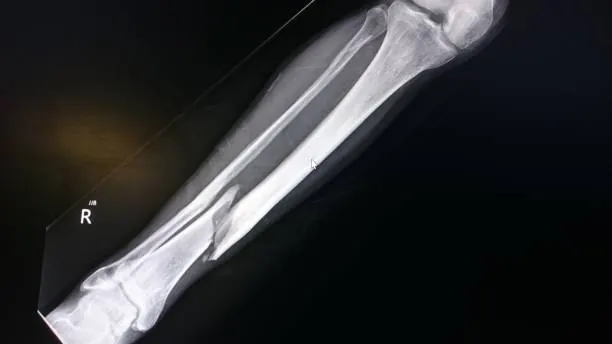
A bone injury can be painful, frightening, and confusing, especially when you hear different terms — is it a fracture? Is it a break or a broken bone? You may wonder whether a fracture means the bone is completely broken or whether it describes a different type of injury. Knowing what these terms mean can make it easier to understand your diagnosis and treatment.
Many people assume that a “fracture” must be more serious than a “break.” Others think a broken bone always means the bone has separated into two pieces. These are common misconceptions. In most medical situations, the terms are used to describe the same basic injury.
A fracture is a partial or complete break in a bone. The word “fracture” is the medical term, while “broken bone” or “break” is commonly used in everyday language. A fracture can happen because of a fall, sports injury, car accident, direct impact, or weakened bones. Understanding the type and severity of the fracture is important for choosing the right treatment.
Is a Fracture the Same as a Break?
Yes. A fracture and a broken bone generally mean the same thing. “Fracture” is the medical term healthcare professionals use when a bone has cracked, broken, or lost its normal structural continuity.
A fracture does not necessarily mean the bone has completely separated into two pieces. Some fractures are tiny cracks, while others cause the bone to break completely or move out of its normal position.
The difference is mainly in word choice rather than the injury itself. A doctor may say you have a fracture, while you might tell someone that you broke your bone. Both descriptions can refer to the same injury.
Why Do Doctors Say Fracture Instead of Break?
Healthcare professionals commonly use “fracture” because it is a more precise medical term. It can describe many different patterns and severities of bone injury.
For example, an X-ray may show a small crack, a complete break, several bone fragments, or a fracture where the bone has shifted. These can all be classified as fractures.
Fracture: The medical term for a crack or break in a bone. It can range from a small crack to a complete separation of the bone.
Break: A common everyday term for a fractured or broken bone. It does not necessarily tell you how severe or complicated the injury is.
What Happens When a Bone Fractures?
A fracture occurs when force placed on a bone is greater than the bone can withstand. The bone may crack, partially break, or completely break depending on the amount and direction of the force.
The surrounding tissues can also be affected. Muscles, ligaments, blood vessels, nerves, and skin may be injured at the same time. This is one reason some fractures require urgent medical evaluation.
The severity of a fracture depends on factors such as the location of the injury, the fracture pattern, whether the bone has moved, and whether the skin has been damaged.
Common Causes of Fractures
Fractures can occur from sudden trauma or from repeated stress. A healthy bone can fracture after significant force, while weakened bones may break from relatively minor injuries.
Common causes include:
Falls: Landing awkwardly can place significant force on the wrist, arm, ankle, or hip. In fact, many falls that cause hip pain when walking afterward turn out to involve a hip fracture rather than simple bruising.
Sports injuries: Contact sports, falls, and twisting movements can cause fractures, and the same trauma that breaks a bone can also injure nearby soft tissue — a rotator cuff tear is a common example in the shoulder.
Car accidents: High-energy impacts can produce complex or multiple fractures, and can also cause spinal injuries such as a slipped disc or herniated disc.
Direct blows: A strong impact to a specific area can damage the underlying bone.
Overuse: Repeated stress can gradually produce a small crack known as a stress fracture — this is a common cause of heel pain when walking.
Weakened bones: Conditions that reduce bone strength can increase fracture risk. Vitamin D deficiency and bone pain are closely linked, since low vitamin D can leave bones more fragile over time.
What Are the Different Types of Fractures?
Not every fracture looks the same. Doctors classify fractures according to their appearance, location, cause, and whether the bone has moved.
A fracture may be closed, meaning the skin remains intact, or open, meaning the broken bone or injury communicates with an open wound. Open fractures require prompt medical attention because the risk of infection is higher.
Common Fracture Types
- Stress fracture: A small crack caused by repeated stress rather than one major injury.
- Hairline fracture: A commonly used term for a small, narrow crack in a bone.
- Complete fracture: The bone is broken all the way through.
- Displaced fracture: The broken bone fragments have moved out of their normal alignment.
- Nondisplaced fracture: The bone has cracked or broken but remains relatively aligned.
- Comminuted fracture: The bone breaks into three or more pieces.
- Open fracture: The fracture is associated with an open wound or exposed bone.
- Closed fracture: The skin over the fracture remains intact.
The name of a fracture can therefore provide more information than simply saying that a bone is “broken.”
What Does a Broken Bone Feel Like?
A fracture can cause sudden pain, tenderness, swelling, and difficulty using the injured body part. The symptoms vary depending on the bone involved and the severity of the injury.
Some fractures are obvious because they cause significant deformity or an inability to put weight on the affected limb. Others, particularly small or stress fractures, can be more subtle.
Possible symptoms include:
- Pain: Fracture pain is often worse when you move, touch, or put pressure on the injured area.
- Swelling: Fluid and inflammation can develop around the injured bone and surrounding tissues.
- Bruising: Damage to small blood vessels can cause discoloration around the injury.
- Tenderness: The area may be particularly painful when touched or pressed.
- Limited movement: Pain and swelling can make normal movement difficult.
- Deformity: A displaced fracture can change the normal shape or alignment of a limb.
- Difficulty bearing weight: Leg, ankle, or foot fractures may make standing or walking difficult, and it’s one of the key signs doctors look for among the broader causes of knee pain after an injury.
Can You Have a Fracture Without Severe Pain?
Yes. Pain severity does not always determine whether a bone is fractured. Some small fractures, including certain stress fractures, may initially cause mild or localized discomfort.
You should not assume that an injury is minor simply because you can still move the affected body part. This is similar to the diagnostic challenge of knee pain after injury, where it’s not always obvious whether the damage involves bone, ligament, or cartilage without imaging. If you have persistent pain after an injury, particularly if there is swelling, tenderness, or difficulty using the area, medical evaluation may be appropriate.
How Is a Fracture Diagnosed?
Doctors usually diagnose fractures using a physical examination and imaging. During the examination, they may check for swelling, tenderness, deformity, movement limitations, circulation, and nerve function.
An X-ray is commonly used to identify broken bones. However, some fractures are difficult to see on an initial X-ray. Depending on the injury, a healthcare professional may recommend additional imaging such as an MRI or CT scan.
- X-ray: Usually the first imaging test used to look for many types of fractures.
- CT scan: Provides detailed cross-sectional images and can help evaluate complex fractures.
- MRI: Can detect certain fractures and bone injuries that may not be visible on an early X-ray.
- Bone scan: May sometimes be used to identify stress-related bone injuries.
How Are Fractures Treated?
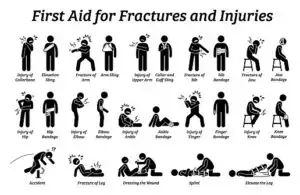
Treatment depends on the type, location, and severity of the fracture. Some fractures can heal with immobilization, while others require a procedure to restore proper alignment.
A doctor may use a splint, cast, brace, or other form of immobilization. More complicated fractures may require surgery to reposition and stabilize the bone.
The main goals of fracture treatment are to restore alignment, allow the bone to heal, control pain, and help the affected body part regain normal function.
Nonsurgical Treatment
Many fractures can be treated without surgery when the bone remains stable and properly aligned.
Treatment may include:
- Splinting: A splint limits movement while allowing room for swelling during the early stage of healing.
- Casting: A cast can provide more complete immobilization for certain fractures.
- Bracing: Some injuries can be supported with a removable or specialized brace — a good general comparison of hands-on approaches is physical therapy vs chiropractic care.
- Activity modification: Reducing pressure on the injured bone helps protect it during healing.
- Pain management: Appropriate pain-relief strategies can help control discomfort, and some people find that changes to diet can help reduce pain naturally alongside medical treatment.
When Is Surgery Needed?
Surgery may be recommended when the fracture is significantly displaced, unstable, open, or otherwise unlikely to heal correctly with immobilization alone. In some severe cases — such as certain hip fractures in older adults — the joint itself may eventually need to be replaced; you can read more about hip replacement surgery and what that recovery involves.
Depending on the injury, surgeons may use plates, screws, rods, pins, or other fixation methods to hold the bone in the correct position while it heals.
How Long Does a Fracture Take to Heal?
Fracture healing time varies significantly. The location and type of fracture, age, overall health, blood supply, smoking status, nutrition, and adherence to treatment can all influence recovery.
Some uncomplicated fractures heal in several weeks, while more complex injuries can take considerably longer. A healthcare professional can provide a more useful estimate after evaluating the specific fracture.
During recovery, the fact that pain has decreased does not necessarily mean the bone has fully healed. Returning to sports, heavy lifting, or high-impact activity too early can interfere with recovery.
Tips for Supporting Fracture Recovery
- Follow your treatment plan: Use your cast, brace, splint, or other support exactly as instructed.
- Protect the injured area: Avoid activities that place unnecessary stress on the healing bone.
- Attend follow-up appointments: Imaging may be needed to confirm that the fracture is healing properly.
- Maintain adequate nutrition: A balanced diet provides nutrients needed for normal bone health.
- Avoid smoking: Smoking can interfere with the body’s ability to heal bone tissue.
- Return to activity gradually: Resume exercise or sports only when your healthcare professional says it is appropriate — for upper-body fractures, guided elbow pain exercises are a good example of how a gradual, supervised approach works in practice.
Can a Fracture Heal on Its Own?
Many fractures can heal naturally because bone tissue has the ability to repair itself. However, “healing on its own” does not mean that every fracture should simply be left untreated.
A displaced or unstable fracture may heal in the wrong position if it is not properly aligned. Some fractures also require immobilization, reduction, surgery, or close monitoring.
If you suspect that you have broken a bone, getting an appropriate evaluation is safer than trying to determine the severity yourself.
When Should You Seek Medical Attention?
A suspected fracture should be medically evaluated, particularly when significant pain, swelling, deformity, or loss of function occurs after an injury.
Seek urgent medical attention if there is an obvious deformity, an open wound near the suspected fracture, uncontrolled bleeding, severe swelling, numbness, or loss of circulation — numbness in particular can also point to nerve compression, as seen in conditions like tarsal tunnel syndrome vs carpal tunnel syndrome, so it’s worth having any persistent numbness checked.
You should also seek prompt care if you cannot put weight on an injured leg or cannot normally use an injured arm after significant trauma.
Fracture vs. Break: What Is the Difference?
There is no fundamental medical difference between a fracture and a break. Both terms describe damage in which the normal structure of a bone has been disrupted.
The important distinction is not “fracture versus break” but what type of fracture occurred and how severe it is. A small crack and a severely displaced fracture are both fractures, but their treatment and recovery can be very different.
| Term | Meaning |
|---|---|
| Fracture | Medical term for a crack or break in a bone |
| Broken bone | Everyday term for a fracture |
| Break | Informal term commonly used to describe a fractured bone |
| Hairline fracture | Common term for a small crack |
| Stress fracture | Small crack caused by repetitive stress |
| Displaced fracture | Broken bone fragments have moved out of alignment |
How Can You Prevent Fractures?
Not every fracture can be prevented, particularly those caused by major accidents. However, improving bone strength, reducing fall risks, and using appropriate protective equipment can lower the risk of certain injuries.
For people who participate in sports, proper technique, gradual increases in training, appropriate footwear, and adequate recovery can help reduce repetitive stress on bones.
- Build bone strength: Weight-bearing activity and resistance training can support healthy bones when performed appropriately.
- Prevent falls: Keep walkways clear and use appropriate footwear to reduce avoidable falls.
- Use protective equipment: Helmets, pads, and other sports equipment can reduce injury risk.
- Increase exercise gradually: Sudden increases in training can place excessive repetitive stress on bones.
- Eat a balanced diet: Adequate calcium, vitamin D, protein, and other nutrients support bone health.
Conclusion
So, is a fracture the same as a break? Yes. A fracture is the medical term for a crack or break in a bone, while “broken bone” and “break” are common everyday expressions for the same basic injury.
What matters most is the type, location, severity, and alignment of the fracture. Some fractures are small and stable, while others are displaced, complex, or open and may require more intensive treatment.
If you think you may have fractured a bone after an injury, do not rely only on your ability to move the area or the amount of pain you feel. A healthcare professional can assess the injury and determine whether imaging or treatment is needed.
Frequently Asked Questions
1. Is a fracture the same thing as a broken bone? Yes. A fracture is the medical term for a crack or break in a bone. “Broken bone” is the more common everyday expression.
2. Is a fracture worse than a break? No. A fracture and a break generally describe the same type of injury. The seriousness depends on factors such as the fracture pattern, location, displacement, and whether surrounding tissues are damaged.
3. Can a bone be fractured without being completely broken? Yes. Some fractures are partial cracks rather than complete breaks through the entire bone. Stress and hairline fractures are examples of relatively small cracks.
4. Can you still walk with a fractured bone? Sometimes. The ability to walk does not necessarily rule out a fracture. Certain small or stable fractures may allow some movement, while others make walking extremely painful or impossible.
5. How long does a broken bone take to heal? Healing time varies according to the bone, fracture type, age, health, and treatment. Many uncomplicated fractures heal over several weeks, but some require substantially longer.
6. What are the most common signs of a fracture? Common symptoms include pain, swelling, tenderness, bruising, difficulty moving the affected area, and sometimes visible deformity. Some fractures may have less obvious symptoms.
7. Do all fractures require a cast? No. Some fractures are treated with splints, braces, activity restriction, or other methods. The appropriate treatment depends on the type and stability of the fracture.
8. Does every fracture require surgery? No. Many fractures heal without surgery. Surgery is more likely when a fracture is severely displaced, unstable, open, or unlikely to heal correctly with nonsurgical treatment.
9. Can a fracture heal by itself? Bone tissue can naturally repair itself, but some fractures need medical treatment to keep the bone properly aligned and protected during healing. Leaving a serious fracture untreated can result in poor healing or other complications.
10. When should I see a doctor for a possible fracture? Seek medical evaluation after an injury if you have significant pain, swelling, tenderness, deformity, or difficulty using the affected body part. Urgent care is particularly important for open wounds, severe deformity, numbness, uncontrolled bleeding, or circulation problems.
Disclaimer: This article is for educational and informational purposes only. It is not a substitute for professional medical advice, diagnosis, or treatment.
This article is for education purpose only and is not a diagnosis or a substitute for medical advice.