
Quick answer
Walking with a meniscus tear may be possible, but whether it is appropriate depends on the tear pattern, pain, swelling and knee stability. Avoid pushing through sharp pain, locking, giving way or worsening swelling; seek prompt assessment if you cannot bear weight or the knee locks.
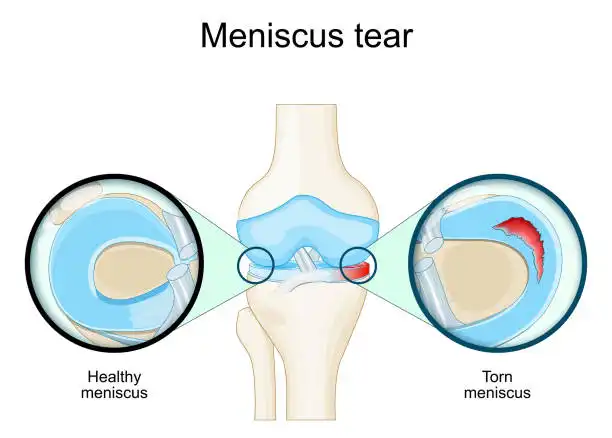
Walking with a torn meniscus can be uncomfortable, especially when each step causes pain, swelling, catching, or a feeling that the knee may give way. If you are asking, will walking on a torn meniscus make it worse? The short answer is: not necessarily. Many people can tolerate some walking, but the safe amount depends on the tear pattern, knee stability, pain, swelling, and whether the joint locks or catches.
Walking does not automatically cause a meniscus tear to enlarge. However, continuing long or brisk walks when you are limping, developing more swelling, or experiencing sharp pain can aggravate symptoms and may delay recovery. Reduce the distance or stop if your knee becomes less comfortable as you walk or remains worse afterward.
A torn meniscus is an injury to the rubbery cartilage that sits between the thighbone and shinbone inside the knee. It can happen from a sudden twisting movement, sports injury, deep squatting, or gradual wear and tear. Understanding how your knee responds to walking can help you stay active without unnecessarily irritating the injury. For a broader overview of meniscus tear symptoms, treatment, and recovery, see the related guide.
Can You Walk With a Torn Meniscus?
Yes, some people can walk with a torn meniscus, particularly when the tear is relatively stable and symptoms are mild. However, being able to walk does not necessarily mean the knee has completely recovered.
A meniscus tear can cause pain when the knee bends, rotates, or bears weight. If your injury happened suddenly and you’re unsure exactly what’s going on, it helps to understand whether your sharp knee pain after injury points to an ACL or meniscus tear, since the two injuries are managed differently. Walking puts repeated loading through the knee, so symptoms may become more noticeable after longer periods of activity.
The safest approach is to let your symptoms guide your activity level rather than trying to maintain your normal walking routine immediately.
What Happens to Your Knee When You Walk on a Torn Meniscus?
Each step places force through the knee joint. Normally, the meniscus helps distribute this load and provides cushioning between the bones. When it is torn, certain movements may increase pressure or irritation around the injured area.
Walking may be reasonably tolerated when the knee remains comfortable and stable. Problems are more likely when walking causes increasing pain, swelling, limping, or repeated twisting of the knee. If your discomfort feels more generalized rather than centered on the joint line, it’s worth reviewing this complete guide to knee pain causes, symptoms, and when to see a doctor to rule out other contributing issues.
A short, comfortable walk is very different from walking several miles, climbing many stairs, or walking quickly over uneven terrain.
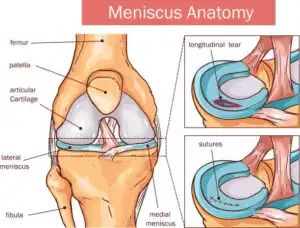
How Much Walking Is Okay With a Torn Meniscus?
There is no single number of minutes or steps that is safe for everyone with a torn meniscus. Your appropriate walking level depends on the injury and how your knee responds during and after activity.
A useful rule is to keep walking within a level that does not significantly increase your symptoms. If your knee becomes increasingly painful or swollen afterward, you may be doing more than it currently tolerates. Persistent or recurring swelling deserves assessment, particularly if you also have stiffness or pain that is not improving.
Signs That Your Walking Level May Be Too Much
Pay attention to how your knee responds during the activity and later that day.
Pain that progressively increases: Reduce your walking distance if discomfort becomes stronger as you continue. Mild, stable discomfort is different from pain that keeps worsening.
Swelling after walking: New or increased swelling can indicate that the knee has been irritated. Give the joint time to settle before increasing your activity again.
A noticeable limp: Changing the way you walk can place abnormal stress on the knee and surrounding joints — a persistent limp is a reason to reduce the walking load and consider a clinical assessment.
Pain that remains worse afterward: Symptoms that stay significantly aggravated for hours may mean the activity was excessive. Try a shorter or easier walk next time rather than pushing through it.
Which Walking Activities Should You Avoid With a Torn Meniscus?
Not every type of walking places the same demands on your knee. Movements involving greater load, twisting, instability, or repeated bending can be more irritating when the meniscus is injured.
Walking Downhill: Walking downhill can increase the demands placed on the knee because you must control your body as you descend. If downhill walking increases pain, choose flatter routes while your knee recovers.
Uneven Ground: Uneven surfaces require constant adjustments from the knee and can increase the chance of an unexpected twist. Stick to stable, level surfaces if your knee feels unstable.
Fast Walking: Increasing your walking speed can increase the overall demand on the knee. A slower, comfortable pace may be better tolerated while symptoms are active.
Frequent Stairs: Repeated stair climbing requires substantial knee bending and weight-bearing. If stairs cause pain or swelling, limit unnecessary trips and use them cautiously.
Sudden Turns: Pivoting or rapidly changing direction can place rotational stress on the knee. If you notice sharp or localized pain, do not assume it is caused by the meniscus alone; a clinician can assess other possible knee structures. Avoid sudden turns, particularly if your tear occurred during a twisting injury.
Carrying Heavy Loads: A heavy backpack, luggage, or other load increases the amount of force your lower body must control while walking. Keep loads light until your knee can tolerate normal activity.
Long Walks Without Breaks: Even if a short walk feels comfortable, prolonged walking can cause symptoms to build gradually. Break longer periods of activity into shorter sessions and monitor your knee’s response.
What Symptoms Mean You Should Stop Walking?
Some symptoms are more important than ordinary mild discomfort. Stop or reduce walking if your knee develops warning signs that suggest the joint is not tolerating the activity.
Increasing knee pain: Stop if pain becomes progressively stronger instead of remaining stable. Continuing through worsening pain can make the knee more irritated.
New or worsening swelling: Swelling after activity is a reason to reduce your walking load. Allow symptoms to settle before returning to longer walks.
Limping: If pain causes you to change your normal walking pattern, stop and rest. Persistent limping can place additional stress on other parts of the leg.
Catching or locking: A knee that repeatedly catches or becomes stuck should be medically evaluated. These mechanical symptoms can occur with certain meniscus tears.
Giving way: A knee that suddenly feels unstable or buckles should not be repeatedly tested through walking. Seek professional assessment if this happens.
Reduced range of motion: Difficulty fully bending or straightening the knee can indicate significant irritation. Avoid forcing the joint through painful movement.
This creates a practical stop/go decision: if walking remains comfortable and your symptoms do not worsen afterward, your activity may be tolerable; if pain, swelling, instability, or mechanical symptoms increase, reduce the activity and seek professional guidance.
How Long Does It Take to Recover From a Torn Meniscus?
Recovery from a torn meniscus varies considerably. Some minor or stable tears can become less symptomatic with activity modification and rehabilitation, while larger or more complicated tears may continue causing pain or mechanical problems.
Conservative treatment may involve temporarily modifying activities, physical therapy, strengthening exercises, and other treatments recommended by a healthcare professional. Improvement in pain and function can occur before the meniscus itself has biologically healed. Sleep, general health, and the ability to follow a gradual rehabilitation plan can also affect how manageable recovery feels.
What Can Affect Recovery Time?
Several factors can influence how quickly symptoms improve.
Type and location of the tear: Some areas of the meniscus have a better blood supply than others. This can affect the potential for natural healing.
Severity of the injury: A small, stable tear may behave differently from a displaced or complex tear. More significant injuries may require a longer rehabilitation period.
Activity level: Returning too quickly to twisting, running, or high-impact activities can aggravate symptoms. Gradual progression is generally more appropriate.
Age and tissue health: Degenerative changes can affect the structure of the meniscus and its ability to recover. Recovery therefore differs from person to person. Avoid assuming that a single food, supplement, or exercise can heal the tear; treatment should be based on the injury and your clinical assessment.
Can a Torn Meniscus Heal Without Surgery?
Yes, some meniscus tears can improve without surgery. Treatment decisions depend on factors such as the tear’s location, size, pattern, symptoms, age, activity demands, and whether the knee has mechanical problems.
The outer portion of the meniscus has a better blood supply than the inner portion, so tears in areas with greater blood flow may have a better healing potential. However, not every tear in this region will heal completely on its own.
Physical therapy can also play an important role. A rehabilitation program may focus on restoring knee motion, improving strength, and building better control around the knee. A physical therapist can tailor exercises to your symptoms, strength, range of motion, and stage of recovery. These improvements can reduce symptoms and help you return to normal activities.
When Might Surgery Be Considered?
Surgery may be considered when symptoms remain significant despite appropriate conservative treatment or when the tear causes important mechanical problems. A clinician may also recommend surgery depending on the specific characteristics of the injury.
Persistent locking, repeated catching, significant instability, or ongoing pain that interferes with daily activities should be evaluated rather than managed by simply walking through the symptoms.
How Can You Walk More Safely During Recovery?
If your healthcare professional has confirmed that walking is appropriate, small changes can reduce unnecessary stress on your knee.
Choose level surfaces: Flat, predictable routes are generally easier to control than hills or uneven terrain. This can reduce unnecessary twisting and sudden adjustments.
Start with shorter walks: Begin with an amount your knee comfortably tolerates. Increase duration gradually rather than making large jumps in activity.
Use supportive footwear: Comfortable shoes can provide a stable base while you walk. Choose shoes that feel stable and comfortable, and avoid footwear that changes your walking pattern or increases discomfort.
Avoid sudden movements: Turn your whole body rather than quickly pivoting on the affected leg. Controlled movements reduce unnecessary rotational stress.
Monitor your knee afterward: Check whether pain or swelling increases later in the day. Your post-activity response can help determine whether you did too much.
When Should You See a Doctor for a Torn Meniscus?
If you suspect you have a torn meniscus, especially after a twisting injury or direct impact, a healthcare professional can assess your symptoms and determine whether further testing is necessary.
Seek prompt medical attention if you cannot bear weight, your knee becomes severely swollen, the joint locks and cannot straighten, or the knee repeatedly gives way. Persistent pain or swelling despite reducing activity also warrants evaluation.
Bottom Line: Will Walking on a Torn Meniscus Make It Worse?
Walking on a torn meniscus does not automatically make the tear worse, but excessive or poorly tolerated activity can aggravate knee pain and swelling. If you are unsure whether exercise is appropriate, read which exercises may be suitable with a meniscus tear and discuss your activity plan with a healthcare professional. Gentle walking may be reasonable for some people, while long-distance walking, fast walking, stairs, hills, uneven surfaces, and sudden turns may be harder for an injured knee to tolerate.
Use your symptoms as a guide. If walking causes increasing pain, swelling, limping, catching, giving way, or reduced movement, stop or reduce the activity and speak with a healthcare professional. A proper diagnosis and individualized rehabilitation plan can help determine how much walking is appropriate for your particular meniscus injury.
Disclaimer: This article is intended for educational purposes only and should not be considered personalized medical advice.
This article is for education purpose only and is not a diagnosis or a substitute for medical advice.