
Living with constant pain can be exhausting, both physically and emotionally. Whether it’s joint stiffness, muscle soreness, headaches, or chronic inflammation, many people feel stuck relying on medications that only provide temporary relief. If you’ve ever wondered whether there’s a more natural way to ease discomfort, you’re not alone—many people are searching for sustainable, long-term solutions.
So what does it really mean to use diet as a tool for pain relief? Simply put, the food you eat can either increase inflammation in your body or help reduce it. Certain nutrients support healing, while others may worsen pain by triggering inflammatory responses. Understanding this connection allows you to make smarter food choices that work with your body instead of against it.
This blog will guide you through how dietary changes can help reduce pain naturally. You’ll learn which foods to include, which to limit, and how small daily adjustments can make a noticeable difference. By the end, you’ll have practical, easy-to-follow steps to start improving your well-being through nutrition. For more expert-backed guidance, visit Ortho Care Guide.
The Connection Between Diet and Pain
Pain and inflammation are closely linked. In many cases, chronic pain is the result of ongoing inflammation in the body. The foods you consume play a major role in either fueling or calming this inflammation.
When you eat highly processed foods, sugary snacks, and unhealthy fats, your body may respond with increased inflammation. This can worsen conditions like arthritis, migraines, and muscle pain. On the other hand, whole, nutrient-rich foods help reduce inflammation and promote healing.
Understanding this connection is the first step toward using food as a natural remedy for pain. Instead of seeing diet as just fuel, think of it as a powerful tool for recovery and prevention, especially when understanding the link between metabolic health and musculoskeletal pain.
Anti-Inflammatory Foods That Help Reduce Pain
Incorporating anti-inflammatory foods into your daily meals can significantly reduce pain over time. These foods contain nutrients that support your immune system and decrease inflammation.
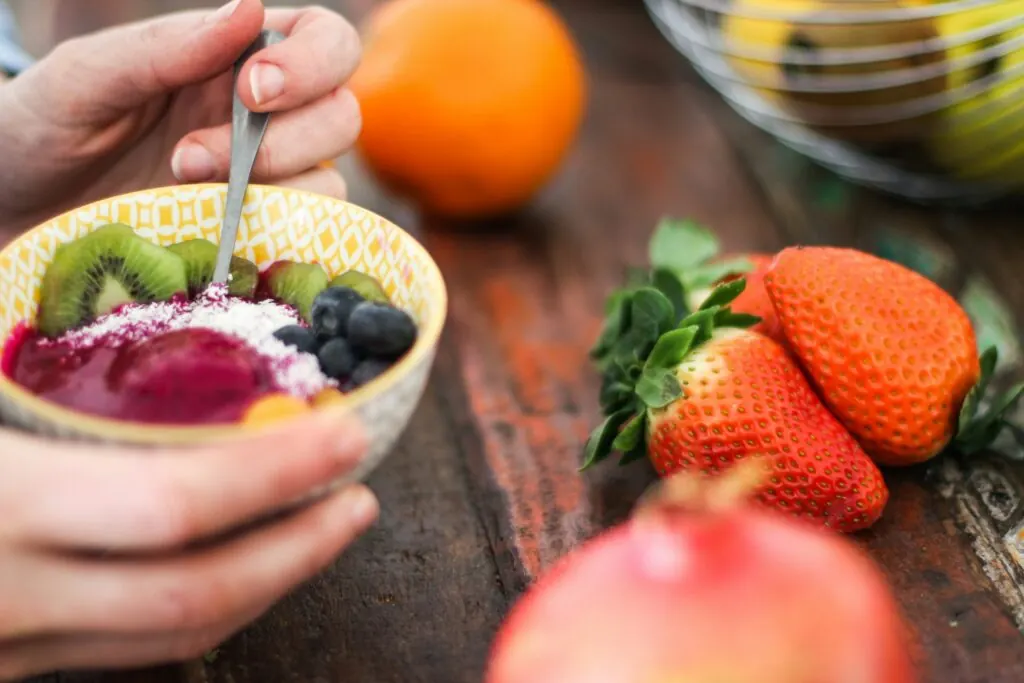
- Fruits such as berries, oranges, and cherries are rich in antioxidants that fight inflammation
- Vegetables like spinach, broccoli, and kale provide essential vitamins and minerals
- Fatty fish such as salmon and mackerel contain omega-3 fatty acids that reduce joint pain
- Nuts and seeds like almonds, walnuts, and flaxseeds help support overall health
- Whole grains such as brown rice and oats provide fiber that aids digestion and reduces inflammation
Adding these foods consistently to your diet can help your body heal naturally and reduce reliance on medication, as also explained in foods that help reduce inflammation and pain.
Foods That May Increase Pain
Just as some foods help reduce pain, others can make it worse. Being aware of these can help you avoid unnecessary discomfort.
- Processed foods often contain preservatives and unhealthy fats that trigger inflammation
- Sugary drinks and snacks can spike blood sugar levels and worsen pain
- Refined carbohydrates like white bread and pastries lack nutrients and promote inflammation
- Fried foods contain trans fats that are harmful to the body
- Excessive red meat consumption may contribute to inflammation in some individuals
Reducing or eliminating these foods can make a noticeable difference in how your body feels. Even small changes can lead to improvements over time.
The Role of Hydration in Pain Management
Water plays a crucial role in maintaining overall health and reducing pain. Dehydration can lead to muscle cramps, headaches, and joint stiffness.
Drinking enough water helps flush out toxins from the body and keeps tissues hydrated. This supports joint lubrication and reduces discomfort during movement. Proper hydration also helps regulate body temperature and improve circulation.
Aim to drink water consistently throughout the day rather than waiting until you feel thirsty. Herbal teas and water-rich foods like cucumbers and watermelon can also contribute to your daily intake.
How Nutrients Support Pain Relief
Certain nutrients are especially beneficial when it comes to reducing pain. Including these in your diet can enhance your body’s natural healing processes.
- Omega-3 fatty acids reduce inflammation and support joint health
- Vitamin D helps maintain bone strength and reduce muscle pain
- Magnesium supports muscle relaxation and reduces cramps
- Antioxidants protect cells from damage and lower inflammation
- Fiber improves gut health, which is linked to reduced inflammation
Focusing on nutrient-dense foods ensures your body gets what it needs to function properly and recover more efficiently.
Simple Dietary Changes You Can Start Today
Making changes to your diet doesn’t have to be overwhelming. Small, consistent steps can lead to long-term results.
- Start by adding one extra serving of vegetables to each meal
- Replace sugary drinks with water or herbal tea
- Choose whole grains instead of refined options
- Include healthy fats like olive oil and nuts in your meals
- Plan meals ahead to avoid relying on processed foods
These simple adjustments can gradually transform your eating habits and improve your overall health.
The Importance of Consistency
Consistency is key when it comes to using diet for pain relief. You may not see immediate results, but over time, your body will respond to healthier choices.
It’s important to stay patient and committed. Think of dietary changes as a long-term investment in your health rather than a quick fix. Tracking your progress can help you stay motivated and notice improvements.
Remember, even occasional healthy choices contribute to better outcomes. The goal is progress, not perfection.
Lifestyle Factors That Enhance Dietary Benefits
Diet works best when combined with other healthy lifestyle habits. Together, they create a powerful approach to managing pain naturally.
- Regular physical activity improves circulation and reduces stiffness
- Adequate sleep allows the body to repair and recover
- Stress management techniques like meditation reduce inflammation
- Maintaining a healthy weight reduces pressure on joints
- Avoiding smoking and limiting alcohol supports overall health
Combining these habits with a balanced diet can significantly improve your quality of life, especially when supported by lifestyle medicine approaches to pain management.
Common Mistakes to Avoid
While changing your diet, it’s important to avoid common pitfalls that may slow your progress.
- Expecting instant results instead of gradual improvement
- Cutting out entire food groups without proper guidance
- Relying on supplements instead of whole foods
- Ignoring portion sizes and overall balance
- Giving up too quickly when results are not immediate
Being mindful of these mistakes can help you stay on track and achieve better results.
Frequently Asked Questions (FAQs)
1. Can diet really reduce pain?
Yes, certain foods can reduce inflammation, which is a major cause of pain.
2. How long does it take to see results?
Results vary, but many people notice improvements within a few weeks of consistent changes.
3. Do I need to follow a strict diet?
No, small and sustainable changes are more effective than strict diets.
4. Are supplements necessary?
Whole foods are the best source of nutrients, but supplements can help if recommended by a professional.
5. Can hydration affect pain levels?
Yes, proper hydration helps reduce muscle cramps and joint discomfort.
6. Is it okay to eat processed foods occasionally?
Occasional consumption is fine, but limiting them is important for long-term benefits.
7. What is the best anti-inflammatory food?
There isn’t just one—variety is key for maximum benefits.
8. Can diet replace medication?
Diet can support pain management, but you should consult a healthcare provider before making changes.
9. Does weight affect pain?
Yes, excess weight can increase pressure on joints and worsen pain.
10. Is this approach suitable for everyone?
Most people can benefit, but individual needs may vary.
Conclusion
Changing your diet is one of the most natural and effective ways to reduce pain. By focusing on anti-inflammatory foods, staying hydrated, and maintaining consistency, you can support your body’s healing process. While results may take time, the long-term benefits are worth the effort.
Taking control of your diet empowers you to improve your health in a sustainable way. Combined with a healthy lifestyle, these changes can significantly enhance your quality of life and reduce dependence on medication, while also supporting overall joint health through daily habits.
Disclaimer
This blog is for informational purposes only and does not replace professional medical advice. Always consult a qualified healthcare provider before making significant changes to your diet, especially if you have existing medical conditions or are taking medication.
This article is for education purpose only and is not a diagnosis or a substitute for medical advice.