
Living with severe hip pain is an experience that fundamentally changes how you move through the world. What was once effortless — walking to the mailbox, climbing a flight of stairs, getting up from a chair, or simply turning over in bed at night — becomes a carefully calculated series of movements designed to minimize pain. The deep, grinding ache of a severely arthritic hip joint can be relentless, present not just during activity but at rest and through the night, eroding sleep quality, mood, and independence simultaneously. For many people, the gradual loss of mobility that accompanies advanced hip joint disease represents one of the most significant reductions in quality of life they have ever experienced.
If your doctor has mentioned hip replacement surgery or you have been researching it yourself, it is completely understandable to feel apprehensive. The idea of having a major joint surgically replaced can feel overwhelming, and many people carry misconceptions about the procedure — fearing it is only for the very elderly, that recovery will be impossibly long and painful, or that the artificial joint will never feel natural. The reality is far more encouraging. Hip replacement surgery is one of the most successful and thoroughly studied procedures in all of orthopedic medicine, consistently producing dramatic pain relief and functional restoration for the vast majority of patients who undergo it.
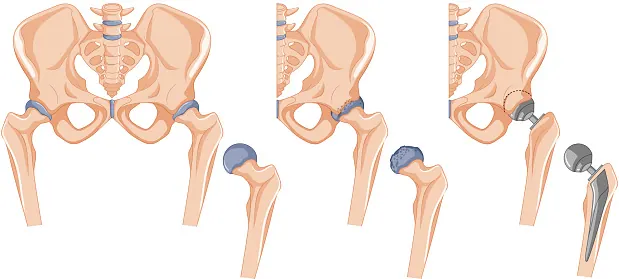
Hip replacement surgery — medically termed total hip arthroplasty — is a surgical procedure in which the damaged surfaces of a severely diseased hip joint are removed and replaced with precisely engineered artificial components that recreate the smooth, pain-free movement of a healthy joint. It is most commonly performed for end-stage hip osteoarthritis but is also indicated for other conditions including rheumatoid arthritis, avascular necrosis, and hip fractures. Understanding who needs it, what the procedure involves, what recovery looks like, and what outcomes to realistically expect empowers you to make an informed, confident decision about your care.
Understanding the Hip Joint
The hip is a ball-and-socket joint formed by the femoral head — the rounded top of the thigh bone — fitting into the acetabulum, a cup-shaped socket in the pelvis. In a healthy hip, both surfaces are covered with smooth articular cartilage and lubricated by synovial fluid, allowing frictionless movement in multiple directions. When this cartilage is destroyed by arthritis, injury, or disease, the exposed bone surfaces grind directly against each other with every movement, producing the severe pain, stiffness, and functional limitation that ultimately leads to the consideration of surgical replacement.
Who Needs Hip Replacement Surgery?
Common Conditions Leading to Hip Replacement
Hip replacement surgery is indicated when the hip joint has been damaged beyond the point where conservative treatments can provide adequate pain relief and functional capacity. The most common underlying conditions include the following.
Osteoarthritis is responsible for the majority of hip replacements performed in the United States. It occurs when the articular cartilage covering the hip joint surfaces progressively wears away, eventually leaving bone grinding on bone. The resulting pain, stiffness, and loss of range of motion typically develop gradually over years, worsening despite medications, physical therapy, and injections. Understanding the broader spectrum of arthritis-related joint damage covered in our guide on knee arthritis causes symptoms treatments and recovery tips provides important context for how arthritis damages joints throughout the body.
Rheumatoid arthritis is an autoimmune condition in which the immune system attacks the synovial lining of joints, causing chronic inflammation that progressively destroys cartilage and bone. Unlike osteoarthritis which typically affects one hip, rheumatoid arthritis often affects both hips simultaneously and tends to develop at a younger age, sometimes necessitating hip replacement in patients in their 40s and 50s.
Avascular necrosis — also called osteonecrosis — occurs when the blood supply to the femoral head is disrupted, causing bone tissue to die and the femoral head to collapse. It can result from prolonged corticosteroid use, excessive alcohol consumption, hip fractures, or occur without an identifiable cause. The resulting joint destruction frequently requires hip replacement, often in younger patients than those with osteoarthritis.
When Is Hip Replacement Recommended?
- Persistent severe pain despite conservative treatment: Hip replacement is considered when pain significantly limits daily activities and has not responded adequately to at least 3–6 months of physical therapy, anti-inflammatory medications, and corticosteroid injections.
- Significant functional limitation: When hip pain prevents walking more than a short distance, makes dressing and personal hygiene difficult, or severely disrupts sleep on a nightly basis, the impact on quality of life justifies surgical intervention.
- Failure of less invasive procedures: When joint-preserving procedures such as hip arthroscopy or osteotomy are no longer appropriate due to the extent of joint damage, total hip replacement becomes the most appropriate surgical option.
- Radiographic evidence of severe joint destruction: X-ray findings showing complete or near-complete loss of joint space, large bone spurs, and significant joint deformity confirm that the structural damage is too advanced for conservative management to provide meaningful relief.
Types of Hip Replacement Surgery
Total Hip Replacement
Total hip arthroplasty is the most commonly performed procedure, replacing both the femoral head and the acetabular socket with artificial components. The femoral component consists of a metal stem inserted into the hollow canal of the femur with a ball attached at the top. The acetabular component is a metal cup fixed into the pelvis, typically lined with a smooth plastic, ceramic, or metal insert. The combination of these components recreates a low-friction, durable articulating surface that closely mimics the function of a healthy hip joint.
Partial Hip Replacement
Partial hip replacement — or hemiarthroplasty — replaces only the femoral head without resurfacing the acetabular socket. It is most commonly performed for femoral neck fractures in elderly patients rather than for arthritis, as the preserved natural acetabulum provides adequate function in patients whose primary problem is a fractured femoral head rather than diffuse joint degeneration.
Hip Resurfacing
Hip resurfacing is a bone-conserving alternative to total hip replacement suitable for younger, active patients with good bone quality. Rather than removing the entire femoral head, the surgeon caps it with a metal covering and resurfaces the acetabulum, preserving more native bone than standard total hip replacement. This preserves the option of conversion to a standard total hip replacement later in life if the resurfacing eventually requires revision.
Minimally Invasive Hip Replacement
Minimally invasive approaches use smaller incisions — typically 3–4 inches rather than the traditional 8–10 inches — and aim to reduce muscle damage, postoperative pain, and recovery time compared to traditional open surgery. Anterior approach hip replacement — accessing the joint from the front of the hip rather than the side or back — allows the surgery to be performed between muscle planes without detaching any muscles, producing faster functional recovery and reduced dislocation risk in appropriately selected patients.
The Surgical Procedure
Pre-Operative Preparation
Thorough pre-operative preparation significantly improves surgical outcomes and recovery. Medical optimization — ensuring conditions such as diabetes, hypertension, and cardiac disease are well controlled — reduces anesthetic and surgical risk. Pre-operative physiotherapy strengthening the hip and thigh muscles provides a stronger foundation for post-operative rehabilitation. Weight loss before surgery in overweight patients reduces surgical complexity and improves implant longevity. Blood-thinning medications are typically adjusted before surgery to reduce bleeding risk while maintaining protection against clots.
During Surgery
Hip replacement is performed under general or spinal anesthesia, typically lasting 1–2 hours. The surgeon makes an incision over the hip, carefully moves muscles and soft tissues to expose the joint, dislocates the femoral head from the acetabulum, and removes the damaged cartilage and bone surfaces. The femoral canal is prepared to accept the stem component, the acetabulum is reamed and shaped to receive the cup, and all components are precisely positioned and secured — either with bone cement or through a press-fit technique that allows bone to grow into the implant surface over time.
Implant Materials
Modern hip implants use highly durable material combinations designed to minimize wear and maximize longevity. The most common bearing surfaces include metal-on-polyethylene, ceramic-on-polyethylene, and ceramic-on-ceramic combinations. Each has specific advantages and trade-offs regarding wear rate, fracture resistance, and noise during activity. The choice of implant is individualized based on patient age, activity level, bone quality, and surgeon experience.
Recovery After Hip Replacement
Hospital Stay and Early Mobilization
Most patients are mobilized — standing and taking initial steps with a walking frame — within hours of surgery on the day of the procedure. This early mobilization is one of the most significant advances in hip replacement care over recent decades, dramatically reducing complications including blood clots, pneumonia, and muscle deconditioning. Hospital stays have shortened considerably and now typically range from 1–3 days for uncomplicated primary hip replacement, with some patients managed as day surgery in selected centers.
Home Recovery Phase
- Weeks 1–3: Focus on wound care, pain management, and safe mobilization with walking aids. Hip precautions — avoiding excessive bending, crossing the legs, or rotating the hip inward — protect the new joint from dislocation during the early healing phase when soft tissue repair is incomplete.
- Weeks 3–6: Walking distance increases progressively. Physiotherapy exercises focus on restoring hip range of motion, activating the gluteal muscles, and building quadriceps strength. Most patients transition from a walking frame to a single crutch or walking stick during this phase.
- Weeks 6–12: Formal physiotherapy intensifies with progressive strengthening, balance training, and gait re-education. Driving typically resumes around 6 weeks for right hip replacements and somewhat later for left hip replacements depending on vehicle type and surgical approach.
Return to Activity Timeline
Most patients return to light daily activities within 6 weeks, desk-based work within 4–6 weeks, and more physically demanding work within 3 months. Low-impact activities including walking, swimming, cycling, and golf are typically appropriate from 3 months onward. High-impact activities including running and contact sports are generally discouraged to protect implant longevity. The lifestyle principles discussed in our guide on how everyday choices influence your body joint health directly support optimal long-term outcomes after hip replacement.
Risks and Complications
Hip replacement surgery is among the safest major orthopedic procedures, but like all surgery it carries potential risks that every patient should understand before consenting to the procedure.
- Blood clots (DVT and pulmonary embolism): Deep vein thrombosis is one of the most significant post-operative risks. Blood thinning medications, compression stockings, and early mobilization are all used routinely to minimize this risk following surgery.
- Infection: Periprosthetic joint infection is a serious complication occurring in approximately 1–2% of primary hip replacements. Strict sterile surgical technique, antibiotic prophylaxis, and careful wound care minimize infection risk. Established infection may require prolonged antibiotic treatment or revision surgery.
- Dislocation: The new hip joint can dislocate — particularly in the first 3 months before soft tissue healing is complete — if hip precaution movements are violated. Anterior approach surgery carries a significantly lower dislocation risk than posterior approaches.
- Leg length discrepancy: Achieving perfect leg length equality is technically challenging. Minor discrepancies are common and usually resolve with gait adaptation, but significant discrepancies may require shoe lifts or, rarely, revision.
- Implant loosening and wear: Over time, implant components can loosen from the bone or bearing surfaces can wear, potentially requiring revision surgery. Modern implants are designed to last 15–25 years or more in appropriately selected patients.
Nutrition and Lifestyle Support for Recovery
Nutrition plays a critically important role in surgical recovery and long-term implant success. Adequate protein intake supports tissue healing and muscle rebuilding after surgery. Vitamin C promotes collagen synthesis essential for wound healing and soft tissue repair around the new joint. Calcium and vitamin D maintain the bone density required for secure implant fixation — the importance of vitamin D for bone health is covered comprehensively in our guide on vitamin D deficiency and bone pain symptoms and solutions. Anti-inflammatory dietary patterns reduce the systemic inflammation that can slow recovery and increase pain sensitivity during rehabilitation. Our practical guide on how changing your diet can help reduce pain naturally provides specific nutritional strategies directly applicable to hip replacement recovery.
Life After Hip Replacement
The overwhelming majority of hip replacement patients experience dramatic, life-changing improvements in pain and function. Studies consistently show that over 90% of patients report significant pain relief and functional improvement following total hip arthroplasty, with high satisfaction rates maintained at 10 and 20 years post-surgery. Activities that were impossible before surgery — walking comfortably, climbing stairs, sleeping through the night, traveling, and engaging in recreational activities — become accessible again for most patients within 3–6 months of their procedure.
Modern implants are designed to last 15–25 years or longer with appropriate activity modification and regular follow-up. Protecting implant longevity involves maintaining healthy weight to reduce joint loading, avoiding high-impact activities that accelerate wear, attending regular follow-up appointments for periodic X-ray assessment, and maintaining the muscle strength and bone density that support long-term implant stability. The role of ongoing lifestyle medicine in maintaining musculoskeletal health after surgery is explored in our guide on lifestyle medicine and its role in orthopedic pain.
Prevention and Delaying the Need for Hip Replacement
While hip replacement is not always preventable — particularly in cases of genetic predisposition, inflammatory arthritis, or traumatic injury — several evidence-based strategies can slow hip joint degeneration and delay or potentially avoid the need for surgical intervention.
- Weight management: Maintaining a healthy body weight reduces the mechanical load on hip cartilage. Each pound of body weight translates to approximately three pounds of force across the hip joint during walking, making weight management one of the most impactful joint-preserving strategies available.
- Regular low-impact exercise: Swimming, cycling, and walking maintain hip joint mobility, strengthen the surrounding musculature, and promote synovial fluid circulation that nourishes cartilage without the impact loading that accelerates wear.
- Early treatment of hip conditions: Prompt management of conditions like hip impingement, labral tears, and dysplasia before they progress to end-stage arthritis can significantly delay or prevent the need for total hip replacement.
- Anti-inflammatory nutrition: Dietary patterns rich in omega-3 fatty acids, antioxidants, and adequate vitamin D reduce the inflammatory burden on arthritic joints and support cartilage health over the long term.
Conclusion
Hip replacement surgery represents one of the most transformative procedures available in modern orthopedic medicine, offering reliable, durable pain relief and functional restoration to people whose quality of life has been profoundly diminished by severe hip joint disease. Understanding who needs it, what the surgery involves, what recovery requires, and what long-term outcomes to expect empowers patients to approach this significant decision with confidence and clarity. For the right patient at the right time, total hip arthroplasty is not simply a last resort — it is a pathway back to an active, comfortable, and independent life. Always work closely with a qualified orthopedic surgeon to determine whether and when hip replacement surgery is the most appropriate option for your individual circumstances.
Frequently Asked Questions
1. How do I know if I need a hip replacement? Key indicators include severe hip pain limiting daily activities, failure of conservative treatments including physiotherapy and injections after 3–6 months, significant pain at rest and at night, and X-ray evidence of advanced joint destruction. Your orthopedic surgeon will evaluate all these factors together.
2. How long does hip replacement surgery take? The procedure typically takes 1–2 hours depending on the surgical approach, complexity, and whether it is a primary or revision procedure.
3. How long is recovery after hip replacement? Most patients return to light daily activities within 6 weeks and achieve significant functional improvement by 3 months. Full recovery and return to recreational activities typically occurs between 6–12 months following surgery.
4. How long does a hip replacement last? Modern hip implants are designed to last 15–25 years or longer. Studies show approximately 80–85% of total hip replacements remain functional at 20 years, with younger, more active patients experiencing somewhat higher revision rates due to greater activity-related wear.
5. What are the restrictions after hip replacement? Early restrictions include avoiding excessive hip bending beyond 90 degrees, crossing the legs, and internal rotation — movements that risk dislocation while soft tissues heal. Long-term restrictions typically include avoiding high-impact activities like running and contact sports to protect implant longevity.
6. Can both hips be replaced at the same time? Bilateral simultaneous hip replacement is performed in carefully selected patients, typically younger and healthier individuals. It reduces total hospital time but carries higher immediate surgical risk compared to staged replacement of each hip separately.
7. What is the best age for hip replacement? There is no single ideal age. The decision is based on symptom severity, functional limitation, and quality of life impact rather than age alone. Hip replacement is successfully performed in patients ranging from their 40s to their 90s when clinically indicated.
8. Is hip replacement painful? Modern pain management protocols — including spinal anesthesia, nerve blocks, and multimodal analgesia — make hip replacement significantly less painful than most patients anticipate. Most patients report that post-operative pain is well controlled and considerably less severe than the chronic arthritic pain they experienced before surgery.
9. Can I exercise after hip replacement? Yes — regular exercise is actively encouraged after recovery. Recommended activities include walking, swimming, cycling, golf, and light hiking. High-impact activities including running, jumping, and contact sports are generally discouraged to protect implant longevity.
10. What happens if I delay hip replacement surgery? Delaying necessary hip replacement allows progressive muscle wasting, bone loss, and functional decline that can complicate surgery and slow recovery when it is eventually performed. Severe functional limitation also impacts cardiovascular health, mental wellbeing, and overall quality of life significantly during the delay period.
Disclaimer
The information provided in this article is for educational and informational purposes only and does not constitute professional medical advice, diagnosis, or treatment
This article is for education purpose only and is not a diagnosis or a substitute for medical advice.