
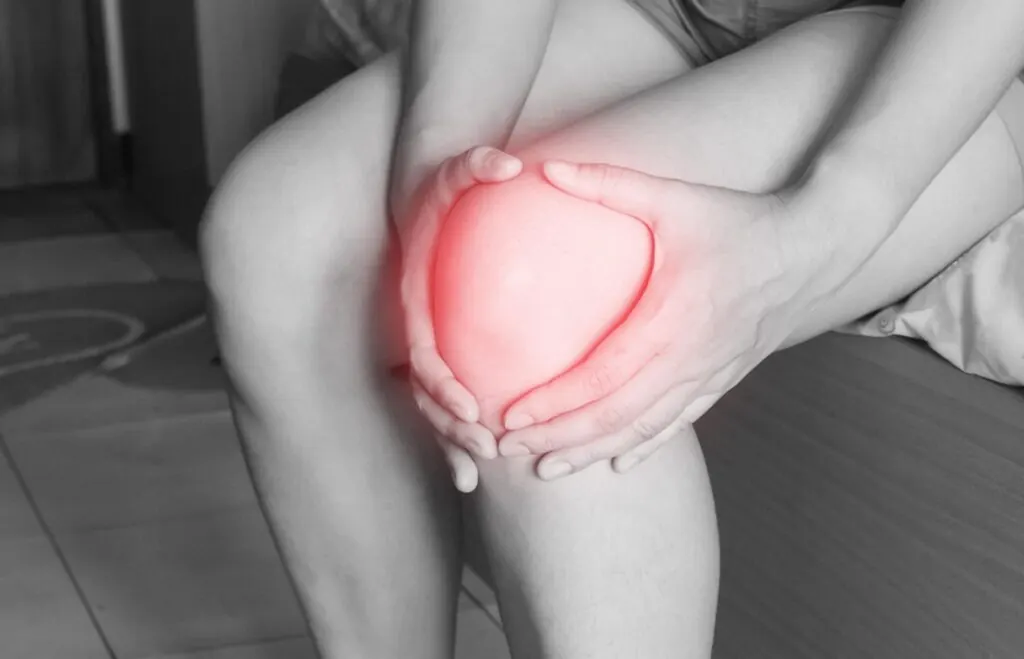
Knee pain can feel like a dull ache, sharp stabbing sensation, or constant stiffness that limits your ability to move freely. Simple daily activities like walking, climbing stairs, or even sitting for long periods can become uncomfortable and frustrating. Over time, this discomfort can start affecting your productivity, sleep, and overall quality of life.
Many people worry that knee pain always means something serious like arthritis or a major injury. Others ignore it, assuming it will go away on its own. The truth is, knee pain can have many causes—some mild and temporary, while others require proper care. Understanding your symptoms early can help you avoid long-term complications.
Knee pain refers to discomfort or inflammation in or around the knee joint, which connects the thigh bone to the lower leg. It can result from injury, overuse, aging, or underlying medical conditions. Knowing the causes and symptoms of knee pain is essential for choosing the right treatment and maintaining long-term joint health.
What Is Knee Pain and Why Does It Occur?
Knee pain is one of the most common musculoskeletal complaints affecting people of all ages. The knee is a complex joint made up of bones, cartilage, ligaments, tendons, and muscles. Any damage or stress to these structures can lead to pain and limited mobility.
The condition can develop suddenly due to an injury or gradually over time due to wear and tear. Factors like poor posture, obesity, muscle weakness, and repetitive movements can increase stress on the knee joint, leading to discomfort.
In some cases, knee pain may also be linked to systemic conditions like arthritis or infections. Identifying the root cause is crucial for effective treatment and recovery.
Common Causes of Knee Pain
Injury-Related Causes
Knee injuries are one of the leading reasons for sudden pain and swelling. These injuries often occur during sports, physical activity, or accidental falls.
- Ligament injuries like ACL tears can cause instability and severe pain during movement
- Meniscus tears often lead to locking sensation and difficulty bending the knee
- Fractures around the knee joint can result in intense pain and inability to bear weight
- Dislocation of the kneecap causes visible deformity and immediate discomfort
Overuse and Mechanical Causes
Repetitive movements and strain can gradually damage the knee joint over time.
- Running or jumping frequently can lead to overuse injuries like runner’s knee
- Poor posture or walking habits can increase stress on knee joints
- Muscle imbalances can affect knee alignment and lead to chronic pain
- Long hours of sitting can cause stiffness and reduced mobility
Medical Conditions
Certain health conditions can cause chronic or recurring knee pain.
- Osteoarthritis leads to cartilage breakdown and joint stiffness over time
- Rheumatoid arthritis causes inflammation and swelling in the knee joint
- Gout results in sudden, severe pain due to uric acid buildup
- Infections in the joint can cause swelling, redness, and fever
Symptoms of Knee Pain
Common Symptoms
Knee pain symptoms can vary depending on the underlying cause. Some people experience mild discomfort, while others may face severe limitations.
- Pain while walking, bending, or climbing stairs
- Swelling or inflammation around the knee joint
- Stiffness, especially in the morning or after inactivity
- Weakness or instability in the knee
Warning Signs You Should Not Ignore
Certain symptoms may indicate a more serious condition and require immediate attention.
- Sudden severe pain after an injury with inability to move
- Visible swelling or deformity in the knee area
- Fever along with knee pain may indicate infection
- Persistent pain lasting more than a few weeks
Knee Pain Based on Activity
Understanding when your knee pain occurs can provide important clues about its underlying cause. Different movements place varying levels of stress on the knee joint, and identifying these patterns helps in early diagnosis and targeted treatment. Activity-based knee pain is often linked to mechanical issues, muscle imbalances, or early joint degeneration.
Knee Pain While Walking
Pain during walking is one of the most common complaints and can significantly affect daily life. It may start as mild discomfort but gradually worsen with prolonged activity, especially if left untreated. This type of pain often indicates issues related to joint wear, ligament strain, or improper body alignment.
In many cases, the pain is due to uneven weight distribution across the knee joint, which can lead to gradual cartilage breakdown. People who are overweight or have poor posture are more likely to experience this problem. Walking on hard surfaces or wearing unsupportive footwear can further increase stress on the knees.
- Pain that increases with longer walking distances may suggest early arthritis or joint degeneration
- Discomfort on uneven surfaces can indicate ligament instability or weak supporting muscles
- Pain accompanied by swelling may point toward inflammation within the joint
- Relief after rest usually indicates overuse rather than a serious structural injury
Knee Pain When Bending or Squatting
Knee pain during bending or squatting can feel sharp, tight, or restrictive, making everyday movements like sitting, standing, or using stairs difficult. This type of pain is commonly associated with problems in the kneecap (patella), cartilage, or surrounding tendons.
When you bend your knee, pressure increases within the joint. If there is damage to cartilage or misalignment of the kneecap, this pressure can lead to pain. Athletes and individuals who perform repetitive squatting movements are at higher risk.
- Sharp pain while bending may indicate cartilage damage or meniscus injury
- Pain in the front of the knee is often linked to patellofemoral pain syndrome
- Clicking or grinding sounds can suggest joint wear or rough cartilage surfaces
- Difficulty standing up after squatting may indicate muscle weakness or joint stiffness
Knee Pain at Night
Knee pain at night can be particularly frustrating because it disrupts sleep and prevents proper rest. Unlike activity-related pain, nighttime discomfort is often linked to inflammation or chronic conditions rather than mechanical stress.
This type of pain may worsen when the body is at rest due to increased awareness of discomfort or reduced blood circulation to the joint. It is commonly seen in conditions like arthritis, gout, or chronic inflammation.
- Persistent aching at night may indicate osteoarthritis or inflammatory conditions
- Throbbing pain can be linked to poor circulation or joint inflammation
- Pain that wakes you up from sleep may require medical evaluation
- Stiffness in the morning following night pain suggests chronic joint issues
How Knee Pain Is Diagnosed
Diagnosing knee pain involves a comprehensive approach that focuses on identifying the exact cause rather than just treating the symptoms. A proper diagnosis helps in choosing the most effective treatment plan and prevents long-term complications.
Doctors usually begin with a detailed discussion about your symptoms, lifestyle, and any recent injuries. This is followed by a physical examination to assess movement, swelling, and joint stability. In many cases, additional tests are required to confirm the diagnosis.
- Physical examination helps assess swelling, movement, and joint stability
- X-rays are used to detect bone damage, fractures, or signs of arthritis
- MRI scans provide detailed images of soft tissues like ligaments, tendons, and cartilage
- Blood tests may be required to rule out infections or inflammatory conditions
Early diagnosis not only speeds up recovery but also reduces the risk of permanent joint damage. Ignoring symptoms or delaying medical consultation can lead to worsening of the condition.
Treatment Options for Knee Pain
Treatment for knee pain depends on its cause, severity, and duration. While many cases can be managed without surgery, some conditions may require advanced medical intervention. A combination of treatments is often used to achieve the best results.
Non-Surgical Treatments
Non-surgical treatments are usually the first line of management and are effective for most mild to moderate cases. These methods focus on reducing pain, improving mobility, and strengthening the joint.
- Resting the knee helps reduce stress and allows damaged tissues to heal naturally
- Applying ice can reduce swelling and inflammation, especially after activity or injury
- Pain relief medications provide temporary comfort but should be used under guidance
- Physiotherapy improves muscle strength, flexibility, and joint stability over time
In addition to these, lifestyle modifications such as weight management and posture correction play a crucial role in long-term recovery.
Surgical Treatments
Surgical options are considered when conservative treatments fail to provide relief or when there is significant structural damage. Advances in medical technology have made many procedures less invasive and more effective.
- Arthroscopy is a minimally invasive procedure used to diagnose and repair joint problems
- Knee replacement surgery is recommended for severe arthritis with significant joint damage
- Ligament reconstruction helps restore stability after injuries like ACL tears
- Removal of damaged cartilage reduces pain and improves joint movement
Surgery is usually followed by rehabilitation to restore strength and function, making recovery an essential part of the process.
Home Remedies and Lifestyle Changes
Simple lifestyle changes can make a big difference in managing knee pain and preventing it from worsening. These approaches are especially helpful for people dealing with mild or chronic discomfort.
Adopting healthy habits not only supports recovery but also improves overall joint health. Consistency is key when it comes to lifestyle-based improvements.
- Maintaining a healthy weight reduces pressure on knee joints and slows down wear and tear
- Regular low-impact exercises like swimming or cycling improve flexibility and strength
- Using proper footwear provides support and reduces strain on the knees
- Avoiding prolonged sitting helps prevent stiffness and improves blood circulation
Recovery and Rehabilitation Tips
Recovery from knee pain is a gradual process that requires patience and consistency. Whether the pain is due to injury or a chronic condition, proper rehabilitation ensures long-term improvement and prevents recurrence.
Following a structured recovery plan can significantly enhance healing and restore normal function. Skipping rehabilitation steps may delay recovery or lead to future injuries.
- Follow a structured physiotherapy plan for better recovery outcomes
- Gradually return to physical activity to avoid re-injury or strain
- Use supportive braces if recommended to stabilize the knee during healing
- Maintain a balanced diet rich in nutrients to support joint repair
Prevention Tips for Knee Pain
Preventing knee pain is always better than treating it. By adopting simple preventive measures, you can protect your knee joints and maintain long-term mobility.
Daily habits and physical activity choices play a major role in knee health. Small adjustments can significantly reduce the risk of injury and chronic pain.
- Warm up before exercise to prepare muscles and reduce injury risk
- Strengthen leg muscles to provide better support and stability to the knee joint
- Maintain proper posture during walking, sitting, and standing
- Avoid overloading your knees with excessive weight or repetitive strain
When to See a Doctor
Recognizing the right time to seek medical help is crucial in preventing complications. While mild knee pain may resolve with home care, certain symptoms require professional evaluation.
Delaying treatment can lead to worsening of the condition and longer recovery times. It is important to listen to your body and act accordingly.
- If pain persists for more than a few weeks despite home remedies
- If there is severe swelling, redness, or warmth around the knee
- If you are unable to put weight on your leg or walk properly
- If knee pain is significantly affecting your daily activities
Conclusion
Knee pain is a widespread issue that can affect people of all ages and lifestyles. While it may begin as a minor inconvenience, ignoring it can lead to more serious problems over time. Understanding how knee pain relates to different activities, along with its causes and symptoms, helps in early identification and effective treatment.
With the right approach, including proper diagnosis, treatment, and lifestyle changes, most cases of knee pain can be managed successfully. Taking proactive steps and seeking medical advice when needed can help you maintain strong, healthy, and pain-free knees for the long term.
This article is for education purpose only and is not a diagnosis or a substitute for medical advice.