
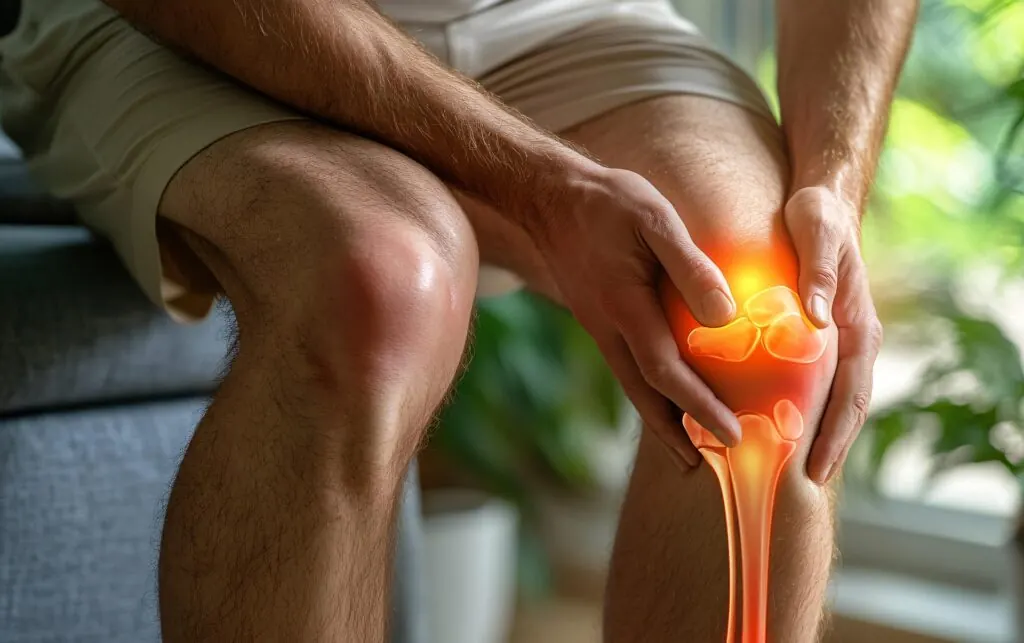
Experiencing sharp knee pain can feel like your world has suddenly slowed down. Activities that were once simple—climbing stairs, walking, or even sitting for long periods—can become uncomfortable or even impossible. Daily life may feel restricted, and frustration can quickly set in, especially when the pain flares unpredictably.
It’s natural to worry about serious injuries when your knee hurts after a twist, jump, or sudden movement. Many people fear the worst, thinking that surgery or long-term disability is inevitable. However, not all knee pain signals a severe problem. Understanding the source of your pain can help you make informed decisions and reduce unnecessary anxiety.
Sharp knee pain often points to issues like an ACL injury or a meniscus tear, two of the most common knee injuries. Both conditions affect mobility and stability but differ in their causes, symptoms, and treatments. Knowing the differences can help you recognize warning signs early, seek appropriate care, and support faster recovery.
Understanding Knee Injuries
Knee injuries can vary widely in severity and type. Two of the most common causes of post-injury knee pain are ACL injuries and meniscus tears. Both can be painful and limit mobility, but they differ in cause, symptoms, and management.
ACL Injury
The anterior cruciate ligament (ACL) is one of the main ligaments stabilizing the knee, preventing the shin bone from sliding too far forward relative to the thigh bone. ACL injuries often occur during sports or sudden movements that involve pivoting, twisting, or jumping.
Symptoms and Insights:
- ACL tears are often accompanied by a “pop” sound at the moment of injury.
- Immediate swelling within 1–2 hours is common due to internal bleeding in the joint.
- The knee may feel unstable or “give out” when walking or changing directions.
- Severe ACL tears can also make activities like running, twisting, or climbing stairs nearly impossible.
- Pain can vary depending on whether the tear is partial or complete, and some people may still be able to walk, masking the injury temporarily.
Meniscus Tear
The meniscus is a C-shaped cartilage that cushions the knee joint, absorbs shock, and stabilizes movement. Meniscus tears can result from sudden twisting or rotational force or develop gradually due to degenerative changes.
Symptoms and Insights:
- Sharp or localized pain along the joint line is a hallmark symptom.
- Swelling may develop over 24–48 hours and can worsen with activity.
- A torn meniscus may cause locking, clicking, or catching of the knee during motion.
- Some tears may prevent full extension or bending, reducing functional mobility.
- Chronic tears from degeneration can occur without a clear trauma but still cause persistent pain and stiffness.
Types of ACL and Meniscus Injuries
ACL Injuries:
- Partial tear: Only some ligament fibers are torn; knee may still function but feel unstable.
- Complete tear: Entire ligament is torn, causing major instability and often requiring reconstruction.
- Avulsion fracture: Rare; ligament pulls a piece of bone from its attachment site.
Meniscus Tears:
- Vertical (longitudinal) tear: Runs along the length of the meniscus; may lead to a “bucket handle” tear.
- Horizontal tear: Splits the meniscus into top and bottom parts; common in older adults.
- Complex tear: Multiple directions; often needs surgical repair.
- Radial tear: Starts at the inner edge and moves outward; may destabilize the meniscus.
Causes of Sharp Knee Pain
Knee pain after injury can stem from multiple underlying causes. Understanding them helps in prevention and proper management.
- Trauma or sudden impact: Direct hits, falls, or collisions can damage ligaments, cartilage, or bones.
- Twisting movements: Pivoting, cutting, or sudden directional changes in sports put stress on the ACL or meniscus.
- Degenerative changes: Age-related wear and tear may weaken cartilage, increasing susceptibility to meniscus tears.
- Weak muscles: Inadequate strength in quadriceps, hamstrings, and glutes can destabilize the knee.
- Improper technique: Poor form during exercise, lifting, or sports can overload the knee joint.
- Previous injuries: History of knee injuries increases the likelihood of re-injury.
- Obesity: Excess weight places additional stress on knee structures, increasing injury risk.
Diagnosis of Knee Injuries
Accurate diagnosis is essential for effective treatment and prevention of further damage.
- Physical examination: A doctor assesses swelling, tenderness, range of motion, and ligament stability.
- Imaging tests: MRI is the gold standard for identifying ACL tears and meniscus injuries. X-rays rule out fractures.
- Functional tests: Specific movements like the Lachman test or McMurray test help identify ligament or cartilage damage.
- Medical history review: Understanding how the injury occurred helps differentiate between acute and chronic injuries.
Treatment Options
Treatment varies depending on injury type, severity, age, activity level, and overall health.
Non-Surgical Treatment
- Rest and ice therapy: Reduces pain and inflammation; recommended immediately after injury.
- Physical therapy: Strengthens muscles supporting the knee and restores mobility.
- Bracing: Provides external stability, especially for partial ACL tears or meniscus injuries.
- Pain management: Over-the-counter anti-inflammatory drugs can help manage pain and swelling.
- Activity modification: Avoid high-impact movements or twisting until cleared by a professional.
Surgical Treatment
- ACL reconstruction: Replaces the torn ligament using a graft (autograft or allograft). Surgery is often necessary for athletes or unstable knees.
- Meniscus repair or removal: Depending on tear type, surgeons may repair or remove damaged cartilage.
- Rehabilitation post-surgery: Structured physical therapy helps regain strength, flexibility, and stability.
- Return-to-sport programs: Gradual progression ensures safe resumption of athletic activities.
Recovery Tips
- Follow a consistent physical therapy program to regain strength and stability.
- Gradually increase activity intensity under professional guidance.
- Avoid high-impact sports until cleared by your doctor to prevent re-injury.
- Maintain a healthy weight to reduce stress on knee joints.
- Use supportive footwear to ensure proper knee alignment during activity.
- Apply ice after activity to reduce swelling and discomfort.
- Incorporate low-impact exercises like swimming or cycling for fitness without strain.
Preventive Strategies
- Warm up properly before sports or exercise to prepare muscles and ligaments.
- Strengthen quadriceps, hamstrings, and glutes to improve knee support.
- Practice proper techniques for running, jumping, lifting, and pivoting.
- Avoid sudden increases in training intensity or surface changes.
- Consider wearing knee braces or supports if prone to injury.
- Include flexibility exercises to maintain optimal joint range of motion.
- Monitor fatigue levels; tired muscles increase risk of knee injury.
Rehabilitation in Detail
Phase 1 – Acute Recovery:
- Rest, ice, compression, elevation (RICE protocol)
- Pain management and anti-inflammatory strategies
- Gentle range-of-motion exercises
Phase 2 – Strengthening:
- Quadriceps and hamstring strengthening exercises
- Core and hip stability training
- Low-impact cardiovascular activities (cycling, swimming)
Phase 3 – Functional Training:
- Balance and proprioception drills
- Sport-specific agility training
- Gradual return-to-sport under supervision
Lifestyle and Long-Term Management
- Maintain a balanced diet rich in calcium, vitamin D, and protein for joint health.
- Avoid prolonged inactivity; gentle movement promotes blood flow and healing.
- Use ergonomic seating or adjustable workstations to reduce knee strain.
- Track your progress and pain levels to inform your doctor or therapist.
- Consider low-impact recreational activities like swimming, yoga, or cycling.
Common Complications
- Knee instability: Untreated ACL tears may lead to recurrent “giving way.”
- Osteoarthritis: Meniscus damage can accelerate joint degeneration over time.
- Chronic pain: Persistent pain may develop without proper rehabilitation.
- Reduced mobility: Scar tissue or incomplete recovery can limit knee motion.
Exercises and Strengthening Post-Injury
- Straight leg raises: Strengthens quadriceps without stressing the knee.
- Hamstring curls: Builds posterior knee support.
- Mini squats and step-ups: Rebuild functional strength.
- Balance exercises: Improve proprioception and reduce re-injury risk.
- Hip abduction exercises: Strengthen surrounding muscles to support knee alignment.
Alternative and Supportive Treatments
- Massage therapy: Reduces muscle tension and improves blood flow.
- Hydrotherapy: Water exercises allow movement without full weight-bearing stress.
- Kinesio taping: Supports knee during movement and reduces pain.
- Acupuncture: May help with pain management in some patients.
FAQs
1. How can I tell if my knee pain is an ACL injury or meniscus tear?
ACL injuries usually involve a popping sound, rapid swelling, and instability, while meniscus tears cause joint line pain, locking, or catching.
2. Can ACL injuries heal without surgery?
Partial tears may heal with rehabilitation, but complete tears often require surgery for long-term stability.
3. How long does it take to recover from a meniscus tear?
Recovery depends on tear type; non-surgical treatment may take 4–6 weeks, while surgical repair can take 3–6 months.
4. Is knee swelling always a sign of a serious injury?
Not always; mild swelling may occur with minor strains, but sudden or severe swelling warrants medical evaluation.
5. What exercises help strengthen the knee after injury?
Quadriceps sets, hamstring curls, straight leg raises, and balance exercises are commonly recommended under professional guidance.
6. Can I prevent ACL or meniscus injuries?
Yes, proper warm-ups, strengthening exercises, and correct movement techniques reduce risk.
7. Is knee instability common after ACL tears?
Yes, the knee may feel unstable or give way until proper treatment and rehabilitation are completed.
8. Should I use ice or heat for knee pain?
Ice is preferred in the first 48 hours to reduce swelling, while heat may help relax muscles later in recovery.
9. Are knee braces effective?
Braces can provide temporary support and reduce injury risk but do not replace proper rehabilitation.
10. When should I see a doctor for knee pain?
Seek prompt evaluation for swelling, popping sounds, locking, or instability after injury.
Disclaimer
This content is for informational purposes only and is not a substitute for professional medical advice. Always consult a healthcare provider for diagnosis, treatment, and personalized guidance regarding knee injuries.
This article is for education purpose only and is not a diagnosis or a substitute for medical advice.