
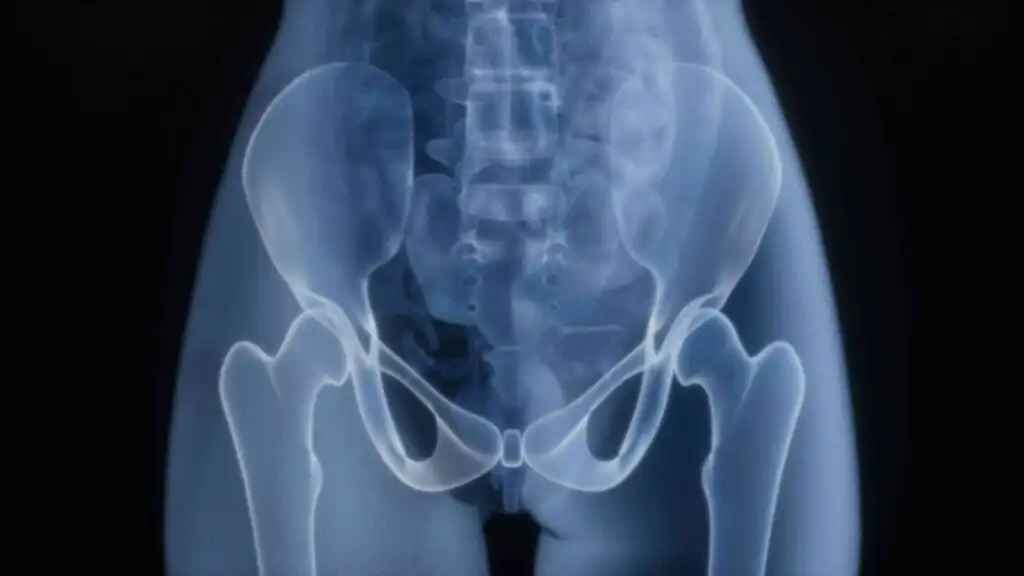
A slipped disc is one of the most common yet misunderstood spinal conditions affecting millions of Americans every year. Many people describe it as a sudden, sharp pain in the neck or lower back that appears almost overnight — sometimes triggered by something as simple as bending over to pick up an object or sneezing forcefully. The pain can radiate into the arms or legs, accompanied by numbness, tingling, or weakness that makes even basic daily activities like sitting at a desk, driving, or getting a good night’s sleep feel genuinely difficult. For many sufferers, the unpredictability of symptoms adds significant stress to their daily lives.
It is completely natural to feel alarmed when you first experience disc-related pain, especially when it shoots down your arm or leg. Many people immediately fear the worst — permanent damage, paralysis, or a lifetime of pain. However, the reassuring reality is that the vast majority of herniated disc cases resolve successfully with conservative, non-surgical treatment. Understanding what a slipped disc actually is, why it happens, and what your treatment options are can dramatically reduce anxiety and help you take confident steps toward recovery.
A slipped disc — medically known as a herniated or prolapsed disc — occurs when the soft, gel-like center of a spinal disc pushes through a crack in its tougher outer layer and presses on nearby nerves. This can happen anywhere along the spine but most commonly affects the lumbar (lower back) and cervical (neck) regions. The resulting nerve compression produces the characteristic pain, numbness, and weakness associated with this condition. Knowing the type, location, and severity of your disc problem is essential to choosing the right treatment and achieving lasting recovery.
What Is a Spinal Disc?
The spine consists of 33 vertebrae stacked on top of each other, cushioned between each pair by intervertebral discs. These discs act as shock absorbers, allowing the spine to bend, twist, and bear load without the bones grinding together. Each disc has two components — the annulus fibrosus, a tough fibrous outer ring, and the nucleus pulposus, a soft gel-like inner core. When the outer ring weakens or tears due to age, injury, or repetitive stress, the inner material can bulge outward or herniate completely through the outer layer, pressing on adjacent nerve roots or the spinal cord itself.
Cervical vs Lumbar Herniated Disc
Cervical Herniated Disc (Neck)
A cervical herniated disc occurs in the neck region of the spine, most commonly at the C5-C6 or C6-C7 levels. When a cervical disc herniates, it can compress nerve roots that travel into the shoulders, arms, and hands, producing symptoms that many people initially mistake for a shoulder or arm problem rather than a neck issue.
Symptoms of a cervical herniated disc typically include neck pain that radiates into one shoulder and down the arm, numbness or tingling in the fingers, weakness in the hand or arm muscles, and in severe cases difficulty with fine motor tasks like buttoning a shirt or gripping objects. Some patients also experience headaches originating at the base of the skull. In rare but serious cases, a large cervical disc herniation can compress the spinal cord itself — a condition called cervical myelopathy — causing balance problems, difficulty walking, and coordination issues requiring urgent medical attention.
Lumbar Herniated Disc (Lower Back)
Lumbar disc herniation is significantly more common than cervical herniation and most frequently occurs at the L4-L5 or L5-S1 levels. These levels directly affect the nerve roots that form the sciatic nerve, which is why lumbar disc herniation is the leading cause of sciatica. The pain typically originates in the lower back and radiates through the buttock and down the back of one leg, sometimes extending to the foot.
People with lumbar herniated discs often notice that their pain worsens with prolonged sitting, forward bending, coughing, or sneezing — all activities that increase intradiscal pressure. In contrast, walking, lying flat, or gently extending the spine often provides temporary relief. Understanding this pain pattern is important because it directly guides the choice of exercises and positions used during rehabilitation.
Causes and Risk Factors
Age-Related Degeneration
The most common underlying cause of disc herniation is natural aging. As people reach their 30s and 40s, spinal discs gradually lose water content, becoming less flexible and more prone to tearing under stress. This degenerative process, known as disc desiccation, makes it easier for the outer annulus to crack and allow the inner nucleus to herniate. This is why herniated discs are most common in adults between 35 and 55 years of age.
Lifestyle and Mechanical Factors
- Sedentary lifestyle combined with sudden exertion: People who spend long hours sitting and then perform heavy lifting or sudden twisting movements place enormous stress on already weakened discs, significantly increasing herniation risk.
- Obesity: Excess body weight places chronic additional load on lumbar discs, accelerating degeneration and increasing the likelihood of herniation during everyday activities. Maintaining a healthy weight is one of the most effective preventive measures, as discussed in our guide on how everyday choices influence your body joint health.
- Repetitive occupational stress: Jobs requiring frequent heavy lifting, prolonged driving, or repetitive bending and twisting significantly elevate disc herniation risk over time.
- Genetics: Family history plays a meaningful role, as some individuals inherit a predisposition to weaker disc structures that are more vulnerable to herniation.
Symptoms of a Herniated Disc
Pain
The nature and location of pain depends entirely on which disc has herniated and which nerve root is being compressed. Lumbar herniations typically produce lower back pain combined with radiating leg pain, while cervical herniations produce neck pain with radiating arm pain. The pain is often described as sharp, burning, or electric — very different from the dull ache of typical muscle soreness. Poor posture habits that develop in response to pain can worsen symptoms over time, which is why addressing how back pain starts and the role of poor posture is an important part of comprehensive recovery.
Numbness and Tingling
Nerve compression from a herniated disc frequently produces numbness, tingling, or a pins-and-needles sensation in the areas supplied by the affected nerve. For lumbar herniations this typically affects the outer thigh, calf, or foot. For cervical herniations the fingers, hand, or forearm are most commonly affected. These sensations may be constant or intermittent and often worsen with certain positions or activities.
Muscle Weakness
When nerve compression is significant, the muscles controlled by the affected nerve root can become weak. In lumbar herniations this may manifest as difficulty lifting the foot (foot drop), weakness when pushing off during walking, or instability on stairs. In cervical herniations, hand grip weakness or difficulty lifting the arm may occur. Progressive weakness is always a sign that prompt medical evaluation is needed.
Symptoms That Signal Emergency
- Cauda equina syndrome: A rare but serious complication of severe lumbar disc herniation where multiple nerve roots are compressed simultaneously, causing bilateral leg weakness, numbness in the groin or inner thighs, and loss of bladder or bowel control. This requires immediate emergency medical care.
- Rapidly progressive neurological deficits: Quickly worsening weakness or complete loss of sensation in a limb indicates severe nerve compression requiring urgent evaluation.
Diagnosis
Clinical Examination
A physician will assess reflexes, muscle strength, and sensation in the affected limbs, and perform provocative tests to identify the herniation level. The straight leg raise test is highly useful for lumbar herniations — pain radiating below the knee when the leg is raised confirms nerve root compression. For cervical herniations, Spurling’s test — gently compressing the neck while tilting it toward the painful side — reproduces arm symptoms and confirms cervical nerve root involvement.
Imaging
MRI is the gold standard for diagnosing herniated discs, providing detailed visualization of disc material, nerve compression, and surrounding soft tissue. X-rays help assess bone alignment and disc space narrowing but cannot directly visualize disc herniation. CT myelography is used in specific cases where MRI is contraindicated.
Treatment Options
Conservative Treatment
The encouraging reality is that 80–90% of herniated disc cases respond well to conservative treatment within 6–12 weeks. The initial goal is pain management and reduction of nerve inflammation, followed by gradual rehabilitation to restore strength and prevent recurrence.
Medications form the cornerstone of early conservative management. NSAIDs such as ibuprofen or naproxen reduce both pain and the inflammation surrounding the compressed nerve. Muscle relaxants help manage associated muscle spasms, particularly in the acute phase. For severe pain, a short course of oral corticosteroids may be prescribed to rapidly reduce nerve root inflammation. Neuropathic pain medications such as gabapentin are sometimes used for persistent numbness and tingling.
Physical therapy is the single most important long-term treatment for herniated disc. A structured program focuses on core stabilization, lumbar or cervical stabilization exercises, nerve mobilization techniques, and postural correction. McKenzie method exercises — which involve repeated extension movements — are particularly effective for centralizing pain and reducing disc protrusion. Incorporating daily habits that effectively manage back pain alongside formal physical therapy significantly accelerates recovery and reduces recurrence risk.
Epidural steroid injections deliver corticosteroids directly to the inflamed nerve root, providing significant pain relief for weeks to months and allowing patients to engage more effectively in rehabilitation exercises.
Lifestyle and Dietary Support
Nutrition plays a surprisingly important role in disc health and recovery. Anti-inflammatory eating patterns that emphasize omega-3 fatty acids, antioxidant-rich vegetables, and adequate calcium and vitamin D support tissue healing and reduce systemic inflammation. Our detailed guide on how changing your diet can help reduce pain naturally provides practical dietary strategies that complement medical treatment for herniated disc recovery.
Managing back pain causes, symptoms and risk factors through a combination of medical treatment, physical therapy, and lifestyle modification gives patients the best possible foundation for lasting recovery.
Surgical Treatment
Surgery is reserved for patients who have not improved after 6–12 weeks of conservative care, or those with progressive neurological deficits or cauda equina syndrome.
Microdiscectomy is the most common procedure for lumbar herniated discs. Through a small incision, the surgeon removes the fragment of disc material pressing on the nerve root. It is minimally invasive, highly effective, and most patients experience immediate relief of leg pain. Recovery typically involves returning to light activity within 2–4 weeks and full activity within 6–12 weeks.
Anterior Cervical Discectomy and Fusion (ACDF) is the standard surgical approach for cervical herniated discs causing significant arm pain or neurological deficits. The herniated disc is removed and the adjacent vertebrae are fused together using a bone graft and metal plate, stabilizing the spine and permanently relieving nerve compression.
Artificial disc replacement is an alternative to fusion for select cervical and lumbar cases, preserving motion at the treated level and reducing stress on adjacent discs. It is particularly suitable for younger, active patients.
Recovery Timeline
Recovery from a herniated disc varies based on the location, severity, and treatment approach chosen.
- Weeks 1–2: Focus on pain management, relative rest, ice and heat therapy, and gentle movement. Avoid prolonged sitting, heavy lifting, and any activity that worsens radiating pain.
- Weeks 3–6: Begin structured physical therapy focusing on core activation, gentle stretching, and nerve mobilization exercises. Pain typically begins to centralize from the limb back toward the spine — a positive sign of recovery.
- Weeks 6–12: Progress to strengthening exercises, postural correction, and gradual return to normal activities. Most patients experience significant improvement during this phase.
- 3–6 months: Full recovery for most conservative cases. Surgical patients typically achieve functional recovery within 3–4 months with consistent rehabilitation.
Prevention Strategies
Preventing disc herniation recurrence requires consistent attention to spinal mechanics, core strength, and lifestyle habits.
- Build a strong core: Regularly training the deep abdominal and lumbar muscles provides essential spinal support and dramatically reduces disc stress during lifting and daily activities.
- Practice proper lifting mechanics: Always bend at the knees, keep the load close to your body, and avoid twisting the spine while holding weight — the single most common trigger for acute disc herniation.
- Optimize your workstation: A properly adjusted chair, monitor at eye level, and keyboard positioned to keep elbows at 90 degrees significantly reduce cumulative spinal stress during desk work.
- Stay active and maintain healthy weight: Regular low-impact exercise and weight management reduce chronic disc loading and slow degenerative changes.
- Take frequent movement breaks: Standing and walking briefly every 30–45 minutes during prolonged sitting dramatically reduces intradiscal pressure and maintains disc hydration.
Conclusion
A herniated or slipped disc is a painful but highly treatable condition. Whether it affects your neck or lower back, the overwhelming majority of people recover fully with the right combination of conservative treatment, physical therapy, and lifestyle adjustments. Surgery, when needed, is safe and effective, with excellent outcomes for carefully selected patients. The key to recovery lies in early intervention, consistent rehabilitation, and building the habits that protect your spine for the long term. Always work with a qualified healthcare professional to confirm your diagnosis and develop a treatment plan tailored to your specific condition and lifestyle.
Frequently Asked Questions
1. What is the difference between a slipped disc and a herniated disc? They refer to the same condition. “Slipped disc” is the common term while “herniated disc” or “prolapsed disc” is the medical terminology. The disc does not actually slip out of place — it bulges or ruptures.
2. How long does a herniated disc take to heal? Most cases improve within 6–12 weeks with conservative treatment. Complete recovery may take 3–6 months depending on severity and adherence to rehabilitation.
3. Can a herniated disc heal without surgery? Yes — 80–90% of herniated disc cases resolve with conservative treatment including physical therapy, medications, and lifestyle modifications. Surgery is only needed for a small minority of patients.
4. What is the best sleeping position for a herniated disc? Sleeping on your side with a pillow between your knees reduces spinal rotation and nerve pressure. For lumbar herniations, lying on your back with a pillow under your knees also effectively decompresses the affected nerve root.
5. What activities should I avoid with a herniated disc? Avoid heavy deadlifts, forward bending under load, high-impact running, prolonged sitting without breaks, and any activity that causes pain to shoot into the arm or leg.
6. Is walking good for a herniated disc? Yes, gentle walking is one of the best activities during recovery. It promotes circulation, maintains spinal mobility, and reduces nerve irritation without placing excessive load on the damaged disc.
7. What is the difference between a herniated disc and sciatica? A herniated disc is a structural spinal condition, while sciatica is a symptom — radiating leg pain caused by sciatic nerve compression. A lumbar herniated disc is the most common cause of sciatica.
8. Can a herniated disc cause permanent damage? In most cases, no. However, severe or prolonged nerve compression can cause lasting weakness or numbness. Loss of bladder or bowel control is a medical emergency requiring immediate surgical intervention.
9. Does a herniated disc always require an MRI? Not always. Many cases are diagnosed clinically. MRI is recommended when symptoms are severe, persistent beyond 6 weeks, or when surgery is being considered to confirm the exact level and extent of herniation.
10. Can diet help with herniated disc recovery? Yes. Anti-inflammatory foods rich in omega-3 fatty acids, antioxidants, and adequate vitamin D support tissue healing, reduce nerve inflammation, and complement physical therapy during recovery.
Disclaimer
The information in this article is intended for educational purposes only and does not constitute professional medical advice, diagnosis, or treatment.
This article is for education purpose only and is not a diagnosis or a substitute for medical advice.