
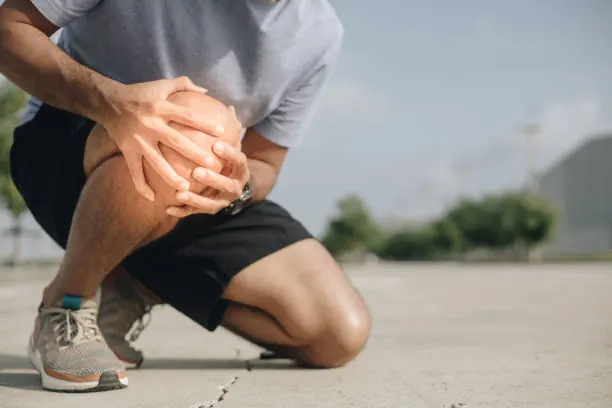
If your knees feel stiff after sitting, your joints ache after exercise, or you experience discomfort throughout the day, you may wonder whether drinking more water could help. Hydration is essential for normal body function, and it supports the tissues that help you move comfortably. However, drinking extra water does not automatically relieve joint pain or reverse joint damage.
A common misconception is that joint pain always means your body is dehydrated or that water can directly lubricate painful joints enough to eliminate symptoms. In reality, joint discomfort can have many causes, including osteoarthritis, injuries, inflammation, and problems involving nearby muscles or tendons. Hydration is one part of joint care, not a universal treatment.
This guide explains how hydration and joint health are connected, how much water you may need, what dehydration can do to your body, and how to recognize when joint pain needs medical attention. You will also learn practical ways to stay hydrated without relying on rigid water-drinking rules.
How Does Hydration Affect Joint Health?
Water supports several processes that help your body function normally. It is a component of synovial fluid, which helps lubricate movable joints, and it contributes to the health of cartilage and other connective tissues. Cartilage helps distribute forces between bones during movement.
However, drinking more water does not necessarily increase joint lubrication beyond what your body needs. Healthy joints depend on multiple factors, including cartilage condition, muscle strength, physical activity, nutrition, and the presence or absence of an underlying medical condition.
Hydration also supports circulation and temperature regulation, which matter during exercise and daily activity. Learn more about how everyday habits support joint health.
Can Dehydration Cause Joint Pain or Stiffness?
Dehydration can contribute to fatigue, headaches, dizziness, reduced exercise tolerance, and muscle cramps. These effects may make movement feel harder or increase discomfort during physical activity. However, evidence does not establish mild dehydration as a common direct cause of arthritis or persistent joint pain.
| Situation | What may happen | What hydration can do |
|---|---|---|
| Mild dehydration | Thirst, dry mouth, or darker urine may occur. | Replacing fluids helps correct the fluid deficit. |
| Dehydration during exercise | Fatigue and reduced exercise tolerance may develop. | Drinking fluids supports normal temperature regulation and performance. |
| Persistent joint stiffness | Stiffness may relate to arthritis, inactivity, or other conditions. | Normal hydration supports general health but may not resolve the underlying cause. |
| Swollen or inflamed joint | Pain and reduced movement may occur for several reasons. | Water alone is not a treatment for joint inflammation or joint swelling. |
If joint discomfort continues despite adequate fluid intake, consider other explanations. For example, how inflammation contributes to joint pain can help explain why symptoms may persist even when hydration is normal.
How Much Water Should You Drink for Healthy Joints?
There is no single daily water target that guarantees better joint health. Fluid needs vary with body size, activity level, climate, pregnancy or breastfeeding, diet, and medical conditions. People who exercise heavily or spend time in hot weather may need more fluids than those who are less active.
The National Academies of Sciences, Engineering, and Medicine has established general adequate-intake estimates for total daily water from food and beverages: about 3.7 liters for adult men and 2.7 liters for adult women. These are population-level reference values, not personal prescriptions, and they include water from foods as well as drinks. Individual requirements can be higher or lower.
Practical Ways to Stay Hydrated
- Drink regularly throughout the day rather than waiting until you feel very thirsty.
- Keep water accessible at work, during errands, and when exercising.
- Drink more when sweating heavily, while considering the duration and intensity of activity.
- Include water-rich foods such as fruit, vegetables, soups, and yogurt.
- Use thirst and urine color as general clues, recognizing that medications, supplements, and health conditions can affect urine color.
Pale-yellow urine often suggests adequate hydration, but it is not a perfect measure. If a clinician has advised you to restrict fluids because of heart, kidney, or another medical condition, follow that guidance rather than increasing water intake independently.
Does Drinking More Water Reduce Inflammation?
Water is necessary for normal bodily processes, but drinking beyond your needs has not been shown to reliably reduce arthritis-related inflammation or eliminate joint pain. Hydration should be considered alongside other supportive habits, not as a replacement for medical treatment.
A balanced diet may help support general health. Explore diet changes that may help manage pain naturally and foods that may worsen joint inflammation for practical nutrition guidance. Avoid assuming that a particular food or drink will cure an inflammatory condition.
Regular movement can also help maintain strength and mobility. If exercise aggravates your symptoms, consider low-impact exercises for people with joint pain and adjust activity to your abilities.
Which Drinks Are Best for Joint Health?
Water is a straightforward choice for everyday hydration. Other beverages can contribute to fluid intake, but their nutritional value varies.
| Drink | Hydration considerations | Practical advice |
|---|---|---|
| Plain water | Provides fluid without added sugar. | A useful everyday option. |
| Milk or fortified alternatives | Provide fluid; nutrient content varies by product. | Choose options that fit your dietary needs. |
| Unsweetened tea | Contributes to fluid intake. | Suitable for many adults in moderate amounts. |
| Sugary soft drinks | Provide fluid but may add substantial sugar. | Limit frequent consumption. |
| Sports drinks | May help replace electrolytes during prolonged, intense exercise or heavy sweating. | Usually unnecessary for routine daily activity. |
| Alcoholic drinks | Can impair judgment and contribute to dehydration in some circumstances. | Do not use alcohol to meet hydration needs. |
You do not need expensive drinks, powders, or supplements to maintain ordinary hydration. For broader guidance on nutrients, see which vitamins and minerals support healthy joints.
When Should Joint Pain Be Medically Evaluated?
Hydration may support general well-being, but persistent pain should not automatically be blamed on insufficient water. Arrange a medical evaluation if joint pain keeps returning, limits daily activities, causes ongoing swelling, or comes with prolonged morning stiffness.
Seek urgent medical care if a joint suddenly becomes hot, red, and markedly swollen, especially if you also have a fever. Severe pain after an injury, an obvious deformity, or an inability to bear weight also warrants prompt assessment.
For knee symptoms, review common causes of knee pain and when to see a doctor. If symptoms are persistent or widespread, a clinician can help determine whether the problem involves a joint, nearby soft tissues, or another cause.
Frequently Asked Questions
1. Does drinking water help lubricate joints?
Water is part of the fluid and tissue environment that supports normal joint function. Drinking extra water, however, has not been shown to reliably increase lubrication enough to relieve joint pain.
2. Can dehydration make my knees hurt?
Dehydration can cause fatigue and reduce exercise tolerance, potentially making movement feel more difficult. Knee pain itself can have many causes and should not be attributed to dehydration without considering other symptoms.
3. How much water should I drink each day for joint health?
There is no special water requirement proven to prevent joint pain. Fluid needs depend on activity, climate, diet, body size, and health conditions, so general intake estimates should be treated as guides rather than strict targets.
4. Is warm water better than cold water for joint pain?
There is no strong evidence that warm water hydrates joints better than cold water or directly reduces arthritis pain. Choose a temperature that you find comfortable and are more likely to drink regularly.
5. Can drinking water reduce arthritis inflammation?
Water supports normal body function but is not a proven treatment for arthritis-related inflammation. Arthritis management may require exercise, medication, physical therapy, or other care depending on the condition.
6. Does coffee count toward daily fluid intake?
Yes, coffee contributes to fluid intake for most adults. Caffeine can have a mild diuretic effect, but moderate coffee consumption does not generally cause dehydration in habitual users.
7. Can sports drinks improve joint health?
Sports drinks can replace fluids and electrolytes during prolonged, strenuous exercise or heavy sweating. They have not been shown to repair cartilage or treat arthritis, and many contain added sugar.
8. Can drinking too much water be harmful?
Yes. Excessive water intake, particularly over a short period, can dangerously dilute sodium in the blood. Drink steadily rather than forcing large amounts, and follow medical fluid restrictions when prescribed.
9. Does dehydration cause joint cracking?
There is no strong evidence that dehydration is a common cause of joint cracking. Painless clicking or cracking can occur for several reasons, while cracking accompanied by pain, swelling, or loss of movement deserves evaluation.
10. When should I see a doctor for joint pain despite drinking enough water?
Seek medical advice if pain persists, repeatedly returns, interferes with normal activities, or occurs with ongoing swelling or stiffness. A hot, red, swollen joint with fever or severe symptoms after an injury needs urgent assessment.
Conclusion
Hydration supports normal joint function, exercise tolerance, and overall health, but drinking more water is not a guaranteed way to relieve joint pain or treat arthritis. Drink regularly, adjust fluid intake to your needs, and combine hydration with balanced nutrition and suitable physical activity. If pain persists or warning signs develop, seek medical advice to identify the cause and discuss appropriate treatment.
Disclaimer: This article is provided for educational and informational purposes only.
This article is for education purpose only and is not a diagnosis or a substitute for medical advice.