
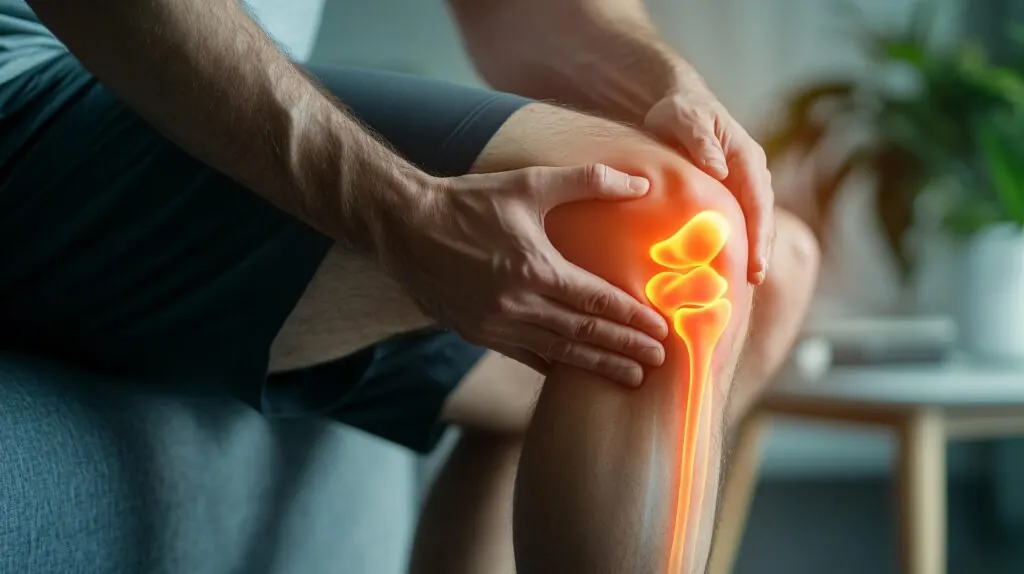
Joint pain and stiffness are more common than many people realize. You may feel discomfort while walking, climbing stairs, or even sitting for long periods. These issues often build up slowly over time, influenced by your daily habits. If you have ever wondered why your joints feel weaker or more painful than before, your everyday choices may be a major reason.
Many people think joint problems only come with age, but that is not entirely true. Your lifestyle plays a significant role in how your joints function. Everyday actions like what you eat, how active you are, and even how you sit or sleep can either support your joints or put them under stress. Understanding this can help you take better control of your physical health.
This blog will help you understand how your daily choices affect your joint health. You will learn what habits may be harming your joints and what positive changes you can make. By the end, you will have practical and simple strategies to protect your joints and improve your overall well-being. For more expert health insights, visit Ortho Care Guide.
Understanding Joint Health
Joints are the points where two or more bones meet, allowing your body to move freely and perform daily activities. They are supported by cartilage, ligaments, tendons, and synovial fluid, which all work together to reduce friction and absorb shock. When these components are healthy, movement feels smooth and painless.
However, when joints are stressed or damaged, the protective cartilage can wear down. This leads to stiffness, inflammation, and pain. Over time, poor habits can accelerate this process and reduce mobility. Taking care of your joints early can prevent long-term problems and maintain flexibility.
Joint health is not just about avoiding pain. It is about maintaining strength, balance, and independence in your daily life. Healthy joints allow you to stay active and enjoy your routine without discomfort or limitations, especially when you understand conditions like different types of shoulder pain.
The Impact of Diet on Joint Health
What you eat has a direct impact on your joints. A balanced diet provides essential nutrients that support joint structure and reduce inflammation. On the other hand, unhealthy food choices can increase inflammation and worsen joint pain.
Foods that support joint health include those rich in vitamins, minerals, and healthy fats. These nutrients help repair tissues and protect against damage. For example, fruits and vegetables contain antioxidants that reduce inflammation and improve overall health.
- Leafy greens like spinach and kale help protect joint tissues
- Fatty fish provide omega-3 fatty acids that reduce inflammation
- Nuts and seeds support joint lubrication and flexibility
- Whole grains improve digestion and reduce inflammatory responses
- Water-rich foods help keep joints hydrated
Limiting harmful foods is equally important. Processed foods, sugary drinks, and excessive fried items can increase inflammation and make joint pain worse. Making mindful food choices can significantly improve joint health over time, especially when following a plan that focuses on reducing pain through diet.
The Role of Physical Activity
Physical activity is essential for maintaining strong and flexible joints. Movement helps keep joints lubricated and prevents stiffness. Without regular activity, joints can become weak and less mobile.
Exercise also strengthens the muscles around your joints, providing better support and reducing the risk of injury. However, it is important to choose the right type of activity. High-impact exercises can sometimes strain joints if not done properly.
- Walking and swimming are gentle on joints
- Stretching improves flexibility and reduces stiffness
- Strength training supports muscles around joints
- Yoga enhances balance and joint mobility
- Rest days allow recovery and prevent overuse
Finding a balance between activity and rest is key. Regular movement, even in small amounts, can greatly improve joint health, especially when combined with structured routines like elbow pain recovery exercises.
The Effect of Body Weight
Body weight has a significant impact on joint health, especially for weight-bearing joints like the knees, hips, and ankles. Carrying extra weight increases the pressure on these joints, leading to faster wear and tear.
Even a small reduction in weight can reduce stress on joints and improve mobility. Maintaining a healthy weight helps prevent joint damage and reduces the risk of long-term conditions.
Weight management is not about strict dieting but about making consistent, healthy lifestyle choices. Combining a balanced diet with regular physical activity is the most effective approach.
The Importance of Good Posture
Posture plays a crucial role in how your body distributes weight across joints. Poor posture can create unnecessary strain and lead to discomfort over time.
Sitting for long hours with a curved back or standing incorrectly can affect your spine, hips, and knees. Over time, this can lead to chronic pain and joint problems.
- Sit with your back straight and feet flat on the floor
- Keep your screen at eye level to avoid neck strain
- Stand evenly on both feet to balance weight
- Use supportive chairs when working long hours
- Take breaks to stretch and adjust posture
Improving posture is a simple yet powerful way to protect your joints and prevent long-term issues.
The Role of Sleep in Joint Health
Sleep is essential for overall health, including joint recovery. During sleep, your body repairs tissues and reduces inflammation. Poor sleep can slow down this process and increase pain sensitivity.
Lack of sleep can also lead to fatigue, which affects your ability to stay active. This can create a cycle where inactivity leads to stiffness and more discomfort.
- Aim for consistent sleep each night
- Use a comfortable mattress and pillow
- Maintain a regular sleep schedule
- Avoid screens before bedtime
- Create a calm sleeping environment
- Quality sleep supports healing and helps maintain healthy joints.
The Impact of Stress on Joints
Stress affects more than just your mental health. It can increase inflammation in the body and lead to muscle tension, which puts extra pressure on joints.
Chronic stress may also lead to unhealthy habits such as poor eating, lack of exercise, and disrupted sleep. These factors can further worsen joint health.
- Practice deep breathing and relaxation techniques
- Engage in activities you enjoy
- Stay physically active to reduce stress
- Maintain a healthy routine
- Seek support when needed
Managing stress is an important part of maintaining both physical and joint health, as explained in metabolic health and musculoskeletal pain.
Daily Habits That Harm Joint Health
Some common daily habits can negatively affect your joints if left unchecked. Being aware of these habits can help you make better choices.
- Sitting for long periods without movement
- Wearing uncomfortable or unsupportive footwear
- Ignoring early signs of joint pain
- Repeating the same movements without rest
- Lack of physical activity
Avoiding these habits can prevent unnecessary strain and protect your joints over time.
Simple Changes for Better Joint Health
Improving joint health does not require drastic changes. Small, consistent steps can lead to significant improvements.
- Stay active throughout the day
- Eat a balanced and nutritious diet
- Maintain a healthy body weight
- Practice good posture regularly
- Get enough sleep and manage stress
These simple habits can help you maintain strong and flexible joints in the long run.
Frequently Asked Questions (FAQs)
-
What are the main causes of joint pain in daily life?
Poor diet, lack of exercise, bad posture, and excess weight are common causes. -
Can diet really improve joint health?
Yes, a healthy diet reduces inflammation and supports joint repair. -
How much exercise is good for joints?
Moderate, regular exercise is ideal for maintaining joint health. -
Does body weight affect joints?
Yes, extra weight increases pressure on joints and causes strain. -
Is posture important for joint health?
Good posture helps distribute weight evenly and reduces stress on joints. -
How does sleep affect joints?
Sleep helps the body repair tissues and reduce inflammation. -
Can stress cause joint pain?
Yes, stress increases inflammation and muscle tension. -
Are supplements necessary for joint health?
Not always, a balanced diet is usually enough for most people. -
Can joint damage be reversed?
Some improvement is possible, but prevention is more effective. -
What is the best way to maintain healthy joints?
A combination of diet, exercise, proper posture, and healthy habits.
Conclusion
Everyday choices have a powerful impact on your joint health. From the food you eat to how you move, rest, and manage stress, each habit plays a role in how your joints function. Ignoring these factors can lead to discomfort and long-term problems.
By making small and consistent changes, you can protect your joints, reduce pain, and improve your quality of life. Taking care of your joints today will help you stay active and independent in the future.
Disclaimer
This blog is for informational purposes only and does not replace professional medical advice. Always consult a qualified healthcare provider before making significant lifestyle or dietary changes, especially if you have existing medical conditions.
This article is for education purpose only and is not a diagnosis or a substitute for medical advice.