
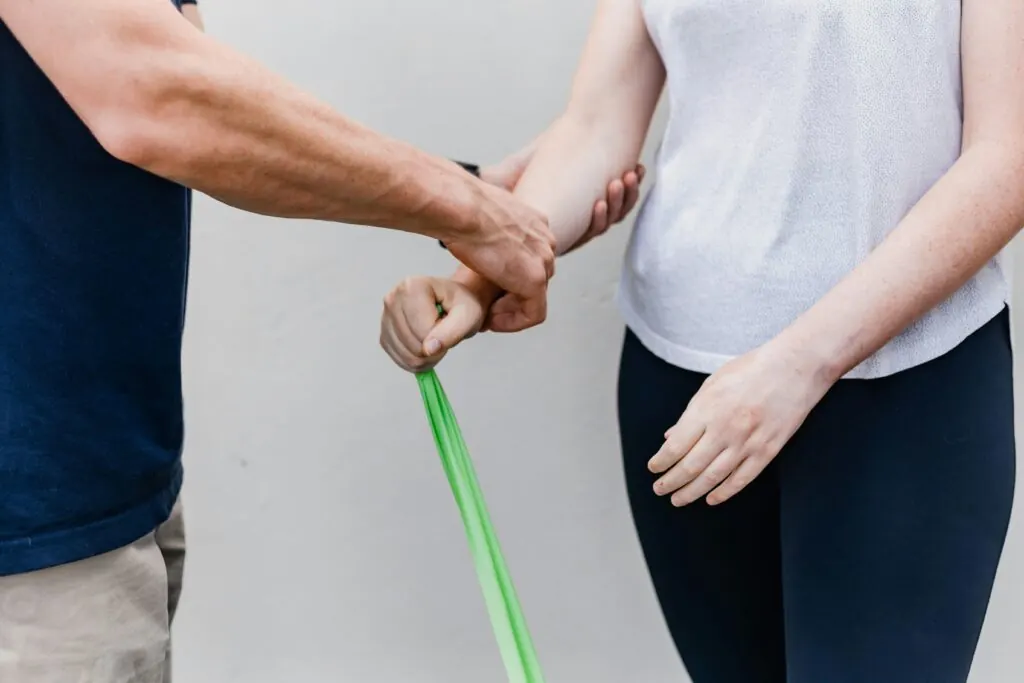
Orthopedic pain, such as discomfort in joints, muscles, and bones, is something many people experience at different stages of life. It can make simple activities like walking, sitting, or lifting objects feel difficult and exhausting. If you are dealing with ongoing pain, you may feel frustrated relying only on medications that provide temporary relief without addressing the root cause.
Lifestyle medicine offers a different approach. Instead of focusing only on treating symptoms, it looks at how your daily habits influence your health. This includes what you eat, how active you are, your sleep patterns, and how you manage stress. These factors can either reduce or worsen orthopedic pain over time.
This blog will help you understand how lifestyle medicine plays a role in managing orthopedic pain. You will learn how simple changes in your daily routine can support healing, reduce discomfort, and improve your overall quality of life in a natural and sustainable way. For more expert guidance, visit Ortho Care Guide.
What is Lifestyle Medicine
Lifestyle medicine is a medical approach that uses healthy habits as a primary way to prevent, manage, and even reverse certain health conditions. It focuses on improving daily behaviors rather than relying only on medication or surgery.
This approach is especially effective for orthopedic pain because many musculoskeletal issues are influenced by lifestyle factors. Poor diet, inactivity, stress, and lack of sleep can all contribute to inflammation and pain in the body.
Lifestyle medicine encourages long-term changes that support the body’s natural healing processes. It is not about quick fixes but about building habits that improve health over time.
Understanding Orthopedic Pain
Orthopedic pain refers to discomfort related to bones, joints, muscles, ligaments, and tendons. It can range from mild stiffness to severe chronic pain that limits movement.
Common causes include injuries, poor posture, repetitive movements, and age-related wear and tear. Conditions like arthritis, back pain, and muscle strains are often linked to lifestyle factors.
Managing orthopedic pain requires more than just treating symptoms. It involves addressing the underlying causes and supporting the body’s recovery process, as seen in conditions like frozen shoulder recovery stages.
The Role of Nutrition in Pain Management
Nutrition is one of the most important aspects of lifestyle medicine. The foods you eat can either increase or decrease inflammation in your body.
A healthy diet supports tissue repair, strengthens bones, and reduces inflammation. On the other hand, unhealthy food choices can worsen pain and slow recovery.
- Fruits and vegetables provide antioxidants that reduce inflammation
- Fatty fish contain omega-3 fatty acids that support joint health
- Whole grains help maintain energy and reduce inflammation
- Nuts and seeds support overall body function
- Hydration helps maintain joint lubrication
Avoiding processed foods, excess sugar, and unhealthy fats can significantly improve pain levels over time, especially when focusing on anti-inflammatory foods for pain relief.
Physical Activity and Movement
Regular physical activity is essential for managing orthopedic pain. Movement helps keep joints flexible and strengthens the muscles that support them.
Lack of activity can lead to stiffness and weakness, making pain worse. However, it is important to choose the right type of exercise to avoid injury.
- Low-impact exercises like walking and swimming are gentle on joints
- Stretching improves flexibility and reduces stiffness
- Strength training supports muscles and reduces joint stress
- Consistent movement prevents long-term joint problems
- Rest is important to allow recovery
A balanced approach to exercise can improve mobility and reduce pain significantly, similar to structured routines like shoulder pain exercises for recovery.
The Importance of Sleep
Sleep plays a critical role in the body’s ability to heal and recover. During sleep, the body repairs tissues and reduces inflammation.
Poor sleep can increase pain sensitivity and slow down recovery. It can also affect energy levels, making it harder to stay active.
- Aim for 7 to 9 hours of sleep each night
- Maintain a consistent sleep schedule
- Create a comfortable sleeping environment
- Avoid caffeine and screens before bedtime
- Use supportive mattresses and pillows
Improving sleep quality can have a direct positive effect on orthopedic pain.
Stress Management and Pain
Stress is often overlooked but has a strong connection to pain. High stress levels can increase inflammation and cause muscle tension, which adds pressure on joints.
Chronic stress can also lead to unhealthy habits like poor eating and lack of exercise, which further worsen pain.
- Practice relaxation techniques like deep breathing
- Engage in hobbies and enjoyable activities
- Stay physically active to reduce stress
- Maintain a balanced daily routine
- Seek support when needed
Managing stress is essential for both mental and physical health.
Weight Management and Joint Health
Maintaining a healthy weight is important for reducing orthopedic pain. Excess body weight puts extra pressure on joints, especially the knees, hips, and lower back.
Even small weight loss can reduce stress on joints and improve mobility. Weight management also helps prevent further joint damage.
- Follow a balanced and nutritious diet
- Stay physically active
- Avoid crash dieting
- Focus on long-term healthy habits
- Monitor progress regularly
Healthy weight management supports joint health and reduces pain.
Posture and Daily Habits
Posture and daily habits play a major role in orthopedic health. Poor posture can lead to uneven pressure on joints and cause pain over time.
Simple adjustments in daily activities can prevent long-term issues and improve comfort.
- Sit with your back straight and supported
- Avoid slouching while using devices
- Lift objects using proper techniques
- Take breaks during long periods of sitting
- Use ergonomic furniture when possible
Being mindful of posture can significantly reduce strain on your body and prevent issues like carpal tunnel syndrome symptoms.
Benefits of Lifestyle Medicine for Orthopedic Pain
Lifestyle medicine offers several advantages for managing orthopedic pain naturally. It focuses on long-term health rather than temporary relief.
- Reduces inflammation naturally
- Improves mobility and flexibility
- Enhances overall physical health
- Decreases reliance on medications
- Supports long-term pain management
Adopting this approach can lead to lasting improvements in your quality of life.
Frequently Asked Questions (FAQs)
-
What is lifestyle medicine?
It is an approach that uses healthy habits to prevent and manage health conditions. -
Can lifestyle changes reduce orthopedic pain?
Yes, they can help reduce inflammation and improve joint function. -
How does diet affect orthopedic pain?
A healthy diet reduces inflammation and supports healing. -
What type of exercise is best for joint pain?
Low-impact exercises like walking and swimming are ideal. -
Does sleep affect pain levels?
Yes, good sleep helps the body recover and reduces pain. -
Can stress make pain worse?
Yes, stress increases inflammation and muscle tension. -
Is weight important for joint health?
Yes, excess weight increases pressure on joints. -
Can lifestyle medicine replace medication?
It can reduce dependence, but medical advice should always be followed. -
How long does it take to see results?
Results vary, but consistent habits show improvement over time. -
Is lifestyle medicine suitable for everyone?
Most people can benefit, but individual needs may differ.
Conclusion
Lifestyle medicine provides a powerful and natural way to manage orthopedic pain. By focusing on daily habits such as diet, exercise, sleep, and stress management, you can address the root causes of pain rather than just the symptoms.
Making small but consistent changes can lead to significant improvements in your joint health and overall well-being. Over time, these habits can reduce discomfort and help you live a more active and pain-free life.
Disclaimer
This blog is for informational purposes only and does not replace professional medical advice. Always consult a qualified healthcare provider before making significant changes to your lifestyle or treatment plan, especially if you have existing health conditions.
This article is for education purpose only and is not a diagnosis or a substitute for medical advice.