
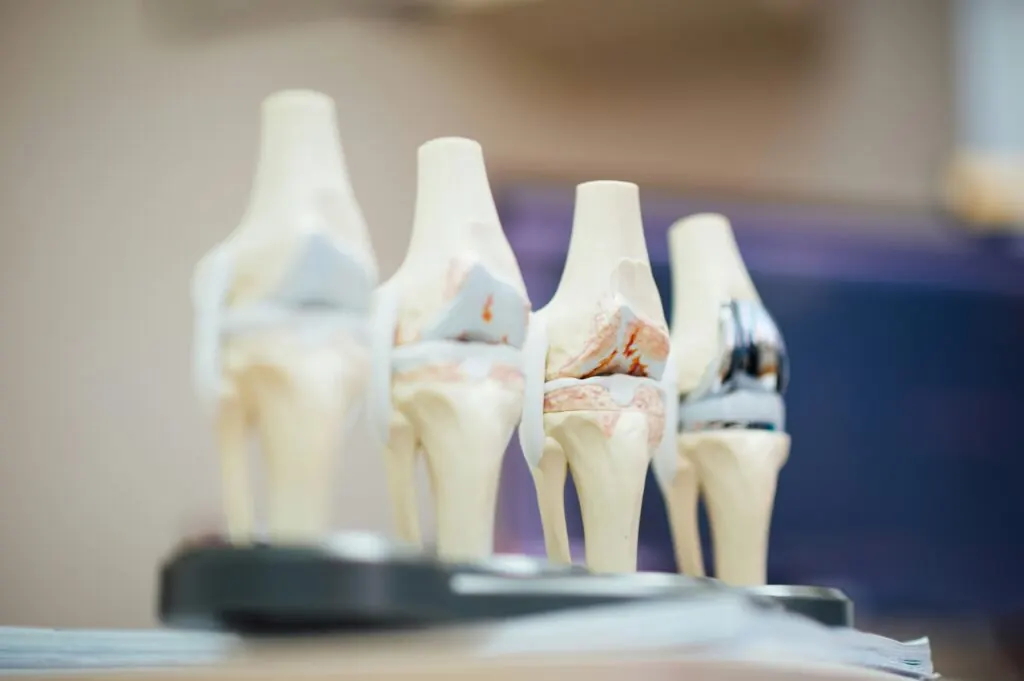
Knee arthritis is more than just occasional pain—it can significantly affect your daily life. Simple activities such as walking, climbing stairs, or even sitting for long periods may become painful or limited. For many, knee stiffness and swelling create frustration and limit mobility, making daily tasks a challenge.
It’s natural to worry when you feel persistent knee pain, especially if it worsens over time. Many people fear permanent damage or surgery, but understanding knee arthritis can help you manage symptoms effectively and take steps toward improved joint health.
Knee arthritis occurs when the cartilage that cushions the knee joint wears down or becomes inflamed. It can develop from age-related degeneration, autoimmune disorders, injuries, or repetitive stress. Knowing the type, cause, and treatment options is crucial for long-term joint health.
Types of Knee Arthritis
Osteoarthritis (OA)
Osteoarthritis is the most common type of knee arthritis, often referred to as “wear-and-tear” arthritis. It occurs when the protective cartilage cushioning the ends of bones gradually breaks down. Over time, this leads to stiffness, swelling, and decreased joint mobility. Patients may notice that their knee hurts more after activity, such as walking or climbing stairs, and feels better with rest.
While OA most frequently affects people over 50, it can also develop earlier in life, particularly in individuals with previous knee injuries like ACL tears or meniscus damage. Other contributing factors include obesity, which places extra stress on the knee joint, and repetitive movements that gradually wear down cartilage.
Rheumatoid Arthritis (RA)
Rheumatoid arthritis is an autoimmune disease in which the body’s immune system mistakenly attacks the synovial lining of joints, causing inflammation. Unlike OA, RA affects not only the knees but often other joints in the body, usually symmetrically (both sides).
Symptoms include persistent pain, swelling, warmth, and stiffness, often worse in the morning or after periods of inactivity. RA can progress over time, causing joint deformities, muscle weakness, and significant mobility challenges. Early diagnosis and treatment are essential to prevent long-term joint damage and maintain quality of life.
Post-Traumatic Arthritis
Post-traumatic arthritis develops following a knee injury, such as ligament tears (ACL, PCL), meniscus tears, fractures, or severe sprains. Even after an injury heals, the joint may experience altered mechanics, leading to accelerated cartilage degeneration over time.
Patients may notice pain, swelling, or stiffness months or even years after the original injury. Unlike OA, post-traumatic arthritis can occur in younger adults and is often related to sports or high-impact accidents. Proper rehabilitation after the initial injury is critical to minimize long-term damage.
Infectious Arthritis
Infectious arthritis, also called septic arthritis, is rare but serious. It occurs when bacteria, viruses, or fungi invade the joint, causing inflammation. Symptoms include sudden intense pain, swelling, warmth, redness, and limited movement. Fever and malaise may also accompany joint symptoms.
This type of arthritis requires immediate medical attention, as delayed treatment can lead to permanent cartilage damage and severe joint dysfunction. Antibiotic or antiviral therapy is typically necessary, often combined with joint drainage.
Other Types
Other less common forms of knee arthritis include:
- Psoriatic arthritis: Associated with psoriasis; can cause joint pain, swelling, and skin changes.
- Gout-related arthritis: Caused by uric acid crystal accumulation, resulting in sudden, severe attacks of knee pain and swelling.
- Inflammatory arthritis: Includes conditions like lupus or ankylosing spondylitis, which may affect the knee alongside other joints.
Causes and Risk Factors
Knee arthritis develops due to a combination of biological, mechanical, and lifestyle factors.
- Age: Natural cartilage deterioration increases arthritis risk as people grow older.
- Obesity: Extra weight places additional stress on knee joints, accelerating cartilage wear.
- Previous injuries: Past ACL tears, meniscus injuries, fractures, or sprains can predispose the knee to arthritis.
- Repetitive stress: Occupations or sports involving constant bending, squatting, or running on hard surfaces increase joint strain.
- Genetics: Family history can predispose individuals to both OA and RA.
- Gender: Women are more prone to OA and RA, possibly due to hormonal and anatomical differences.
- Autoimmune triggers: RA develops when the immune system attacks joint tissue, leading to inflammation and progressive damage.
Understanding these factors can help identify high-risk individuals and guide preventive strategies like strengthening exercises, weight management, and early intervention after injuries.
Symptoms of Knee Arthritis
Knee arthritis manifests through a combination of pain, inflammation, and functional limitations:
- Chronic pain: Pain may worsen with activity and improve with rest in OA, whereas RA pain can persist throughout the day.
- Swelling and warmth: Inflamed joints feel tender and may appear red or puffy.
- Stiffness: Morning stiffness or stiffness after prolonged sitting is common, often limiting bending or straightening the knee.
- Reduced range of motion: Cartilage degeneration and joint swelling reduce mobility.
- Crepitus: Grinding, popping, or cracking sounds may occur during movement.
- Weakness and instability: Loss of muscle support and joint degeneration can cause the knee to feel unstable, increasing the risk of falls.
- Functional limitations: Patients may notice difficulty climbing stairs, walking long distances, or standing from a seated position.
Early recognition of these symptoms allows for timely diagnosis and management, which can slow progression and improve quality of life.
Diagnosis of Knee Arthritis
A proper diagnosis involves clinical evaluation, imaging, and sometimes laboratory testing:
- Clinical examination: Physicians assess joint swelling, tenderness, deformities, and range of motion.
- Imaging: X-rays reveal cartilage loss, bone spurs, and joint space narrowing. MRI scans provide detailed visualization of cartilage, ligaments, and soft tissue.
- Laboratory tests: Blood tests can detect autoimmune markers for RA or other inflammatory arthritis.
- Joint aspiration: Fluid removal and analysis help identify infection or crystal-induced arthritis (as seen in gout).
Accurate diagnosis is critical to distinguish between arthritis types, guide treatment decisions, and prevent further joint damage.
Treatment Options
Non-Surgical Treatments
Non-surgical interventions are the first line of treatment for knee arthritis, especially in mild to moderate cases. Medications such as NSAIDs (ibuprofen, naproxen), acetaminophen, and corticosteroids help relieve pain and reduce inflammation. For patients with rheumatoid arthritis, disease-modifying drugs (DMARDs) can slow disease progression and prevent joint damage.
Physical therapy plays a critical role in strengthening the muscles around the knee, particularly the quadriceps, hamstrings, and hip muscles, which support the joint and reduce stress on cartilage. Targeted exercises also improve flexibility, balance, and overall mobility.
Lifestyle modifications are equally important. Weight loss reduces mechanical stress on the knee, while low-impact exercises like swimming, cycling, or yoga maintain joint mobility without causing further damage. Ergonomic adjustments, including supportive chairs and proper workstation setups, can further reduce strain during daily activities.
Knee braces or supportive devices help stabilize the joint, minimize pain, and prevent excessive movement that can aggravate cartilage damage. Additionally, heat and cold therapy can reduce stiffness, soothe pain, and improve circulation. Some patients explore supplements such as glucosamine and chondroitin, although their effectiveness varies between individuals.
Surgical Treatments
Surgery is considered when non-surgical methods fail to relieve pain or when joint damage is severe. Arthroscopy is a minimally invasive procedure that allows doctors to clean out or repair minor cartilage damage. For patients with misaligned knees, an osteotomy can realign the bones, redistributing weight across the joint to relieve pressure.
Partial knee replacement is recommended when only a portion of the knee is damaged, while total knee replacement is necessary for advanced osteoarthritis affecting the entire joint. Recovery after surgery involves physical therapy, gradual strengthening, and careful monitoring to regain mobility and prevent complications.
Emerging procedures, including stem cell therapy and cartilage regeneration, aim to restore joint tissue and reduce inflammation, offering hope for future non-invasive treatments, although these methods are still largely experimental.
Rehabilitation and Recovery
Rehabilitation following knee arthritis management—whether surgical or non-surgical—is essential for restoring function. Recovery is typically divided into phases:
Phase 1 – Acute Recovery: Focuses on reducing pain and swelling through RICE (Rest, Ice, Compression, Elevation) and gentle range-of-motion exercises to prevent stiffness.
Phase 2 – Strengthening: Emphasizes strengthening key muscle groups around the knee, including quadriceps, hamstrings, and hip stabilizers. Low-impact cardio and core exercises help improve overall stability and endurance.
Phase 3 – Functional Training: Involves balance exercises, proprioception drills, and activities simulating daily movements. Patients gradually reintroduce low-impact sports or activities under professional guidance.
Pain management during recovery may also include TENS therapy, hydrotherapy, adaptive equipment, and anti-inflammatory medications, depending on the severity of arthritis and individual needs.
Lifestyle Adjustments
Long-term management of knee arthritis requires a holistic approach:
- Balanced diet: Consuming omega-3 fatty acids, antioxidants, calcium, and vitamin D supports joint health and may reduce inflammation.
- Low-impact exercises: Swimming, cycling, and yoga maintain mobility without overloading the knee.
- Supportive footwear: Proper shoes can reduce knee stress during walking or standing.
- Ergonomic adjustments: Chairs, walking aids, and workstation modifications prevent strain on the knee.
- Mental health: Chronic pain can impact emotional well-being; coping strategies, mindfulness, and counseling may improve rehabilitation outcomes.
Prevention Strategies
Preventing knee arthritis or slowing its progression involves targeted exercise, weight management, and proper movement habits:
- Strength training: Focus on quadriceps, hamstrings, glutes, and core to stabilize the knee.
- Flexibility exercises: Stretching and mobility work maintain range of motion and reduce stiffness.
- Weight management: Maintaining a healthy weight lowers mechanical stress on knee joints.
- Proper mechanics: Avoid sudden twisting, pivoting, or high-impact activities without preparation.
- Early treatment: Prompt management of minor injuries prevents post-traumatic arthritis development.
Complications if Untreated
Neglecting knee arthritis can lead to serious consequences over time:
- Progressive joint damage and deformity, leading to reduced function.
- Chronic pain and reduced mobility, affecting daily life and independence.
- Increased risk of falls and injuries due to knee instability.
- Psychological effects, including anxiety, depression, and reduced quality of life.
Ongoing research in knee arthritis focuses on regenerative therapies and disease-modifying treatments:
- Stem cell therapy: Potential to regenerate cartilage and reduce inflammation.
- Platelet-rich plasma (PRP) injections: Promote healing and improve joint function.
- 3D-printed cartilage and joint implants: Customized solutions for patients with severe arthritis.
- Disease-modifying OA drugs: Designed to slow cartilage degeneration and prevent disease progression.
These emerging treatments provide hope for patients seeking alternatives to surgery, though many are still under investigation.
FAQs
1. Can knee arthritis be reversed?
Osteoarthritis cannot be fully reversed, but early intervention and lifestyle changes can slow progression and reduce symptoms.
2. What exercises are safe for knee arthritis?
Low-impact activities like swimming, cycling, yoga, and gentle strength training are recommended.
3. How long does recovery take after knee replacement?
Recovery typically spans 3–6 months with consistent rehabilitation and adherence to therapy programs.
4. Can diet reduce knee arthritis symptoms?
Anti-inflammatory foods, omega-3s, and nutrients like calcium and vitamin D may reduce inflammation and support joint health.
5. Is knee arthritis hereditary?
Genetics can influence risk, especially for osteoarthritis and rheumatoid arthritis.
6. How do I know if I need surgery?
Persistent pain, severe mobility limitations, and failure of non-surgical treatment are key indicators.
7. Are supplements effective?
Some patients benefit from glucosamine or chondroitin, but results vary individually.
8. How to manage arthritis pain at work?
Use ergonomic chairs, take breaks, apply ice or heat, and maintain gentle movement throughout the day.
9. Does cold weather worsen arthritis?
Cold or damp conditions can increase stiffness and discomfort in some patients.
10. Can arthritis cause knee instability?
Yes, cartilage deterioration and joint degeneration can make the knee feel unstable.
Disclaimer
This content is for informational purposes only and is not a substitute for professional medical advice. Always consult a healthcare provider for diagnosis, treatment, and personalized guidance regarding knee arthritis.
This article is for education purpose only and is not a diagnosis or a substitute for medical advice.