
Quick answer
Baduanjin, also called Eight Brocades, is a traditional Chinese qigong routine made up of eight gentle, coordinated movements. People practise it for mobility, balance and general wellbeing. It is not a treatment for a diagnosed condition; adapt movements to your comfort and balance, and stop if they cause pain, dizziness or shortness of breath.
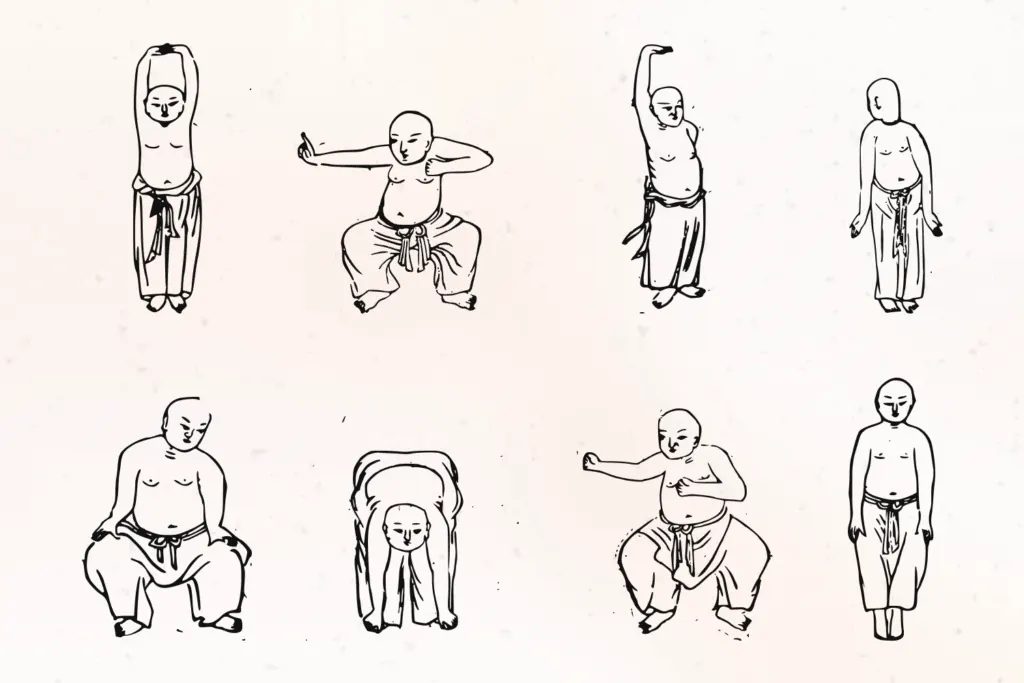
Baduanjin, often translated as the “Eight Pieces of Brocade,” is a traditional qigong practice made up of eight slow, coordinated movements. It combines gentle stretching, controlled weight shifts, relaxed breathing, and attention to posture. You do not need special equipment or advanced fitness to try a beginner version, although some movements may need to be modified for comfort and balance.
If you are looking for a gentle way to move more, you may wonder whether Baduanjin can help with stiffness, balance, stress, or back discomfort. It is understandable to be cautious about claims that one exercise routine can address many different health concerns. Baduanjin is not a cure, and its effects vary from person to person, but it can be one option for adding regular, low-impact movement to your routine.
This guide explains what Baduanjin is, describes the eight commonly taught movements, reviews potential benefits without overstating the evidence, and shares practical ways to begin safely. If you have an injury, a medical condition, or concerns about balance, adapt the movements and ask a healthcare professional whether this type of exercise is appropriate for you.
What Is Baduanjin?
Baduanjin is a form of qigong, a group of traditional Chinese practices that coordinate movement, breathing, and focused attention. The standing routine consists of eight separate exercises performed slowly and smoothly. Different teaching traditions may vary slightly in movement names, sequence, posture, and breathing cues.
The movements generally include raising the arms, opening the chest, rotating the trunk, shifting weight, and gently bending or extending the body. The goal in a beginner session is comfortable, controlled movement rather than stretching as far as possible or holding a demanding position.
How Does Baduanjin Work?
Movement, breathing, and attention
Baduanjin brings together three simple elements: deliberate movement, steady breathing, and awareness of body position. Moving at a comfortable pace can help you practice coordination and mobility. Pairing movement with relaxed breathing may also make the session feel calming. You do not need to force a particular breathing pattern; avoid holding your breath or straining.
Traditional qigong concepts
In traditional Chinese medicine, qigong is often described in terms of qi and meridians. These are traditional concepts, not anatomical structures used in modern Western medicine. You can understand and practice Baduanjin as a gentle movement routine without needing to adopt a particular explanation of how it works.
Potential Benefits of Baduanjin
Gentle mobility and flexibility
The routine moves the shoulders, upper back, trunk, hips, and legs through comfortable ranges. Practicing regularly may help some people feel less stiff and more confident with everyday movement. The amount of change depends on your starting mobility, technique, consistency, and any underlying condition.
Balance and movement awareness
Weight shifts and controlled changes in stance give you opportunities to practice balance and body awareness. These movements should be performed near a stable support if you feel unsteady. Baduanjin should not be treated as a guaranteed way to prevent falls or as a substitute for an individualized balance or strength program.
Stress management and wellbeing
A quiet routine with unhurried movements and comfortable breathing may feel relaxing. Some research has examined qigong and Baduanjin for mood, stress, sleep, and quality of life, but results can differ between studies and participants. It is more accurate to view the practice as a possible addition to broader wellbeing habits than as a treatment for anxiety, depression, or sleep disorders.
Back and joint discomfort
Some people use gentle movement to stay active when they experience stiffness or ongoing musculoskeletal discomfort. Baduanjin may be a suitable low-impact option for some individuals, but it does not diagnose or treat the cause of back, neck, or joint pain. For a broader look at non-surgical approaches, see our guide to lifestyle medicine and orthopedic pain.
Movement should remain comfortable. If a position increases pain, causes symptoms to travel down an arm or leg, or produces numbness or weakness, stop that movement and seek advice. The relationship between posture and spinal discomfort is discussed in our article on how back pain starts and the role of poor posture.
The Eight Movements of Baduanjin
Names and exact techniques vary among instructors. The descriptions below provide a general overview, not a substitute for instruction. Keep your knees unlocked, move slowly, and use a smaller range if needed.
1. Two Hands Hold Up the Heavens
Stand with your feet about hip- to shoulder-width apart. Slowly raise both hands in front of your body and reach upward only as far as your shoulders allow comfortably. Lower your arms with control. Keep your ribs relaxed rather than arching your lower back to reach higher.
2. Drawing the Bow to Shoot the Eagle
Take a comfortable wide stance and bend your knees slightly if that feels safe. Move one arm outward while the other draws back, as though opening a bow, then switch sides. Avoid forcing shoulder rotation or holding a deep squat. You can perform the arm movement while standing more upright.
3. Separate Heaven and Earth
Raise one hand while the other presses gently downward, then change sides. Keep the movement smooth and avoid leaning or twisting beyond a comfortable range. This exercise encourages coordinated movement through the shoulders and sides of the trunk.
4. Wise Owl Gazes Backward
Stand tall and slowly turn your head to one side, looking only as far as is comfortable. Return to the center and repeat on the other side. Do not jerk the neck or push into pain. If neck movement causes dizziness, stop and seek clinical guidance.
5. Sway the Head and Shake the Tail
With feet comfortably apart and hands resting lightly on your thighs, make a small, controlled shift of your upper body from side to side. Keep the movement easy and avoid deep bending or twisting. If you have back or knee symptoms, use a smaller range or skip this movement until you have guidance.
6. Two Hands Hold the Feet to Strengthen the Kidneys and Waist
This movement is often taught as a gentle forward bend followed by returning to standing. Do not force your hands toward your feet or round your back deeply. People with current back pain, sciatica, osteoporosis, recent surgery, or a known disc problem should ask a clinician or physiotherapist whether this movement is appropriate. For more information about radiating leg symptoms, see our guide to sciatica causes, symptoms, and treatment.
7. Clench the Fists and Glare Fiercely
From a comfortable stance, gently form your hands into fists and extend one arm forward at a controlled pace. Bring it back and repeat with the other arm. Keep your shoulders relaxed and do not punch forcefully or lock your elbows.
8. Rising onto the Toes and Lowering the Heels
Stand near a stable support if needed. Rise gently onto the balls of your feet, then lower your heels in a controlled way. Avoid bouncing hard or deliberately creating a strong impact. If you have foot, ankle, balance, or bone-health concerns, ask a healthcare professional about a suitable modification.
How to Start Baduanjin as a Beginner
Prepare a safe practice space
Choose a clear, level area with enough room to move your arms. Wear comfortable clothing and supportive footwear if you need it. Keep a sturdy chair, counter, or wall nearby if balance is uncertain. Avoid practicing on slippery flooring.
Begin with a short session
- Start with a few minutes and learn the movements one at a time.
- Use a smaller range of motion rather than trying to copy an instructor exactly.
- Breathe normally and avoid straining or holding your breath.
- Take breaks whenever you need them; there is no requirement to complete all eight movements at once.
- Increase practice time gradually only if you feel comfortable during and after sessions.
Modify movements for your needs
If you have knee discomfort, avoid deep knee bends and keep your stance narrower. If overhead reaching bothers your shoulder, raise your arms only to a comfortable height. If you feel unsteady, keep one hand near a support and avoid single-leg positions. People with a known spinal condition, including a herniated disc, should review bending and twisting movements with a clinician; our slipped disc and herniated disc guide explains common symptoms and treatment considerations.
Stop if you experience sharp or worsening pain, dizziness, chest discomfort, unusual shortness of breath, new numbness, or weakness. Seek urgent medical care for severe or sudden symptoms such as chest pain, fainting, or new significant weakness.
How Often Should You Practice?
There is no single schedule that is right for everyone. A practical approach is to begin with brief sessions a few times per week and adjust according to comfort, ability, and any advice from your care team. Consistency matters more than forcing a long session. Keep track of how you feel during practice and later that day, and reduce or modify movements that repeatedly aggravate symptoms.
Baduanjin can complement an overall movement routine, but it does not replace prescribed rehabilitation, medical treatment, or strengthening exercises tailored to a specific condition. Building sustainable habits is also discussed in our article on daily habits and back-pain management.
Who Should Use Extra Caution?
Speak with a healthcare professional before starting if you have had recent surgery or an injury, significant balance problems, recurrent dizziness, severe osteoporosis, a condition that limits movement, or symptoms that are not yet assessed. You may still be able to participate with appropriate modifications, but the safest movements and range will depend on your circumstances.
Do not use Baduanjin to push through pain or delay an assessment. Persistent, worsening, or unexplained symptoms deserve medical attention, particularly when accompanied by weakness, numbness, fever, or changes in bladder or bowel control.
Conclusion
Baduanjin is a traditional qigong routine built around eight slow, coordinated movements. It can offer a structured way to practice gentle mobility, balance, and mindful movement, and some people find the routine relaxing. Research into possible health benefits is ongoing, so avoid treating it as a cure or assuming it will produce the same results for everyone.
Start with comfortable movements, use support when needed, and adapt the routine to your abilities. If you have an injury or medical condition, ask your healthcare professional which movements are appropriate. A safe, sustainable practice should leave you feeling comfortable—not strained or worse.
Frequently Asked Questions
1. What does Baduanjin mean?
Baduanjin is commonly translated as “Eight Pieces of Brocade” or “Eight Silken Movements.” The name refers to the eight-part qigong routine.
2. Is Baduanjin suitable for beginners?
Many beginners can learn a modified version because the movements are generally slow and do not require equipment. Start with a small range and use support if needed.
3. Is Baduanjin the same as tai chi?
No. Both are traditional Chinese mind-body practices, but Baduanjin is usually taught as eight distinct exercises, while tai chi commonly uses longer sequences of linked movements.
4. Can Baduanjin help with back pain?
Gentle movement may help some people stay active and manage stiffness, but Baduanjin is not a proven cure for back pain. Choose movements that do not worsen symptoms and seek advice for persistent pain.
5. How long should a beginner practice?
Start with a short session that feels manageable. Build duration gradually rather than following a fixed target or pushing through discomfort.
6. Can older adults practice Baduanjin?
Some older adults may find adapted movements accessible, but balance, joint health, and medical conditions matter. Use a stable support and ask a clinician if you are unsure.
7. Does Baduanjin improve flexibility?
The routine moves several joints and muscle groups through gentle ranges, which may support mobility. Results vary, and movements should never be forced.
8. Can I practice Baduanjin with a herniated disc?
It depends on your symptoms and the movements involved. Forward bending and twisting may not suit everyone, so ask your treating clinician or physiotherapist before starting.
9. Do I need special equipment?
No special equipment is usually required. A clear, level space and a stable chair or counter for support may be helpful.
10. When should I stop a Baduanjin session?
Stop if you develop sharp or worsening pain, dizziness, chest discomfort, unusual breathlessness, or new numbness or weakness. Seek medical advice about concerning or persistent symptoms.
Disclaimer: This article is intended for educational purposes only and should not be considered personalized medical advice.
This article is for education purpose only and is not a diagnosis or a substitute for medical advice.