
Sciatica is one of those conditions that can turn even the simplest daily tasks into a painful struggle. Many people describe it as a sharp, burning, or electric shock-like pain that shoots from the lower back through the buttocks and down one leg, sometimes reaching as far as the foot. The discomfort can range from a mild ache to an intense, debilitating sensation that makes sitting, standing, walking, or even sleeping feel unbearable. For many sufferers, the unpredictability of sciatica flare-ups adds an extra layer of frustration, as the pain can strike suddenly and without warning, disrupting work, exercise, and everyday activities.
If you are experiencing this kind of pain, it is completely understandable to feel worried or overwhelmed. Many people fear the worst when they first experience sciatica, assuming it means permanent nerve damage or inevitable surgery. However, the reality is far more reassuring. The vast majority of sciatica cases resolve with conservative treatment, and most people recover fully without needing surgical intervention. Understanding what is happening in your body is the first step toward managing the pain effectively and regaining your quality of life.
Sciatica is not a diagnosis in itself but rather a symptom of an underlying condition affecting the sciatic nerve — the longest and widest nerve in the human body. It originates from nerve roots in the lumbar spine, passes through the buttocks, and travels down each leg. When this nerve becomes compressed, irritated, or inflamed due to conditions like a herniated disc, bone spur, or spinal stenosis, it produces the characteristic radiating pain known as sciatica. Understanding its causes, recognizing its symptoms, and knowing your treatment options are all essential to getting better faster.
What Is the Sciatic Nerve?
The sciatic nerve is formed from five nerve roots emerging from the lumbar and sacral spine (L4, L5, S1, S2, S3). It runs from the lower back through the deep muscles of the buttocks and down the back of each leg, branching into smaller nerves at the knee that extend into the foot and toes. Because it covers such a large portion of the body, compression or irritation anywhere along its path can produce pain, numbness, or weakness across a wide area. Most cases of sciatica affect only one side of the body, though bilateral sciatica — affecting both legs — can occur in severe cases.
Causes of Sciatica
Herniated or Slipped Disc
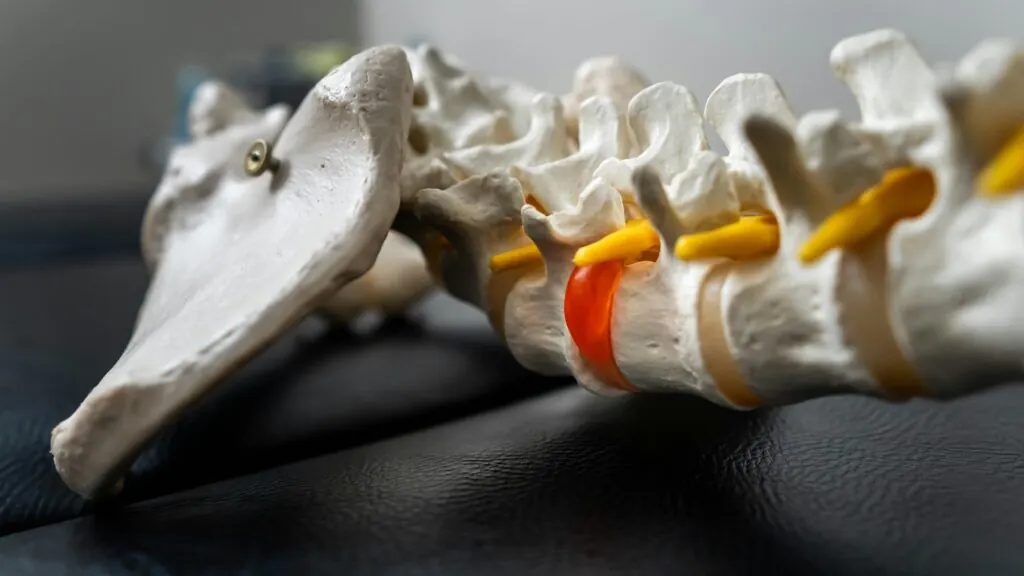
The most common cause of sciatica is a herniated lumbar disc. Each spinal disc acts as a cushion between vertebrae, and when the soft inner material pushes through the outer layer, it can press directly on the sciatic nerve root. This compression triggers inflammation and the radiating pain characteristic of sciatica. Herniated discs are most common at the L4-L5 and L5-S1 levels, which directly affect the sciatic nerve pathway.
Lumbar Spinal Stenosis
Spinal stenosis refers to the narrowing of the spinal canal, which places pressure on the nerves traveling through it, including the sciatic nerve roots. This condition is more common in adults over 50 and often causes sciatica-like symptoms that worsen with walking or prolonged standing and improve with sitting or bending forward.
Piriformis Syndrome
The piriformis is a small muscle located deep in the buttock, and in some individuals the sciatic nerve runs directly through or beneath it. When the piriformis muscle tightens, spasms, or becomes inflamed — often due to overuse or prolonged sitting — it can compress the sciatic nerve, mimicking classic sciatica symptoms. This is sometimes called “wallet sciatica” in people who sit on thick wallets for long periods.
Degenerative Disc Disease
As spinal discs naturally age and lose hydration, they shrink and become less effective as shock absorbers. This degeneration can lead to bone spurs forming along the edges of vertebrae, which may press on the sciatic nerve roots and cause chronic sciatica symptoms, particularly in older adults.
Other Causes
- Spondylolisthesis: A condition where one vertebra slips forward over another, narrowing the space available for nerve roots and placing direct pressure on the sciatic nerve.
- Pregnancy: The growing uterus can compress the sciatic nerve, especially in the third trimester, causing shooting pain down one or both legs that often resolves after delivery.
- Tumors or cysts: Rarely, growths near the spine or sciatic nerve pathway can compress the nerve and produce sciatica symptoms requiring urgent medical attention.
- Trauma or injury: A fall, car accident, or direct blow to the lower back or buttocks can injure the sciatic nerve or surrounding structures, triggering acute sciatica.
Symptoms of Sciatica
Pain Patterns
Sciatica produces a very distinctive pattern of pain that differentiates it from other types of back pain. The pain typically originates in the lower back or deep buttock and radiates down the back of the thigh, through the calf, and sometimes into the foot. It usually affects only one leg. The sensation is commonly described as sharp, burning, electric, or like a jolt — quite different from the dull, generalized ache of typical muscle soreness.
Numbness and Tingling
Many people with sciatica experience numbness, tingling, or a “pins and needles” sensation along the nerve pathway. These sensations can affect the outer thigh, calf, or the bottom of the foot and toes, depending on which nerve root is compressed. The tingling may come and go or remain constant during flare-ups.
Muscle Weakness
In more severe cases, sciatica can cause weakness in the affected leg, making it difficult to lift the foot (a condition called foot drop), climb stairs, or maintain balance. Muscle weakness is a sign of significant nerve compression and should always be evaluated promptly by a healthcare professional.
Symptoms That Worsen or Improve
- Worsening factors: Prolonged sitting, sneezing, coughing, bending forward, or twisting the spine often aggravate sciatica pain by increasing pressure on the compressed nerve root.
- Improving factors: Walking, lying flat with knees elevated, or gentle stretching of the piriformis and hip muscles often provide temporary relief by decompressing the nerve.
Diagnosis of Sciatica
Clinical Examination
A physician will begin by reviewing your medical history and performing a physical examination. The straight leg raise test — where the doctor lifts your leg while you lie flat — is a classic diagnostic tool. Pain that radiates below the knee when the leg is raised between 30 and 70 degrees strongly suggests sciatic nerve compression.
Imaging Tests
While sciatica is often diagnosed clinically, imaging helps identify the underlying cause. X-rays can reveal bone spurs and disc space narrowing, while MRI scans provide the most detailed view of soft tissue, disc herniations, and nerve compression. CT scans are used when MRI is not available or in specific clinical situations.
Nerve Conduction Studies
In cases where the diagnosis is unclear or nerve damage is suspected, electromyography (EMG) and nerve conduction velocity (NCV) tests measure how well electrical signals travel along the sciatic nerve, helping identify the location and severity of nerve compression.
Treatment Options for Sciatica
Conservative (Non-Surgical) Treatments
The good news is that approximately 80–90% of sciatica cases improve with conservative treatment within 6–12 weeks. The goal of initial management is to reduce pain and inflammation while gradually restoring mobility and strength.
Medications are often the first line of treatment. Over-the-counter NSAIDs such as ibuprofen or naproxen reduce both pain and inflammation around the compressed nerve. Muscle relaxants may help if muscle spasms are contributing to the pain. In more severe cases, short-term oral corticosteroids or prescription pain medications may be prescribed to provide relief during acute flare-ups.
Physical therapy is one of the most effective long-term treatments for sciatica. A physical therapist will design a program targeting core strengthening, lumbar stabilization, and hip flexibility. Strengthening the muscles that support the spine reduces pressure on the sciatic nerve and significantly lowers the risk of recurrence. McKenzie method exercises and nerve flossing techniques are commonly used to reduce nerve irritation and improve mobility.
Heat and cold therapy can provide meaningful short-term relief. Cold packs applied during the first 48–72 hours of an acute flare-up reduce inflammation, while heat therapy applied afterward relaxes tight muscles and improves blood flow to the affected area. Alternating between the two can be particularly effective for managing daily discomfort.
Injections and Minimally Invasive Procedures
- Epidural steroid injections: Corticosteroids injected directly into the epidural space around the compressed nerve root can significantly reduce inflammation and provide weeks to months of pain relief, giving patients a window to engage in physical therapy.
- Nerve blocks: Targeted injections around specific nerve roots block pain signals and help identify the precise source of compression, guiding further treatment decisions.
- Trigger point injections: Particularly useful in piriformis syndrome, these injections relax the piriformis muscle and relieve pressure on the sciatic nerve.
Surgical Treatment
Surgery is considered only when conservative treatments have failed after 6–12 weeks, or when the patient experiences progressive neurological deficits such as worsening weakness, foot drop, or loss of bladder or bowel control — which requires immediate medical attention.
Microdiscectomy is the most common surgical procedure for sciatica caused by a herniated disc. A small portion of the disc material pressing on the nerve is removed, providing immediate relief in most cases. Recovery is typically faster than open surgery, with most patients returning to light activities within a few weeks.
Laminectomy is performed for sciatica caused by spinal stenosis. Part of the vertebra (lamina) is removed to create more space for the compressed nerve. This procedure is highly effective for stenosis-related sciatica in older adults who have not responded to conservative care.
Recovery and Rehabilitation
Recovery from sciatica varies depending on the underlying cause and severity of nerve compression. Mild cases often resolve within 4–6 weeks with rest, anti-inflammatory foods, and gentle stretching. More severe cases involving significant disc herniation or stenosis may take 3–6 months of consistent rehabilitation.
During recovery, maintaining gentle movement is far more beneficial than complete bed rest, which can actually worsen symptoms by stiffening the spine and weakening supporting muscles. Short walks, swimming, and targeted stretching help maintain circulation, reduce nerve irritation, and speed healing.
Best Exercises for Sciatica Relief
- Piriformis stretch: Lie on your back, cross one ankle over the opposite knee, and gently pull the uncrossed leg toward your chest. Hold for 30 seconds. This relieves pressure on the sciatic nerve through the piriformis muscle.
- Knee-to-chest stretch: While lying flat, slowly draw one knee toward your chest and hold for 20–30 seconds. This gently decompresses the lumbar nerve roots and reduces acute pain.
- Cat-cow stretch: On hands and knees, alternate between arching and rounding the spine slowly and rhythmically. This mobilizes the lumbar spine and reduces nerve root irritation.
- Nerve flossing: Sit upright, extend the affected leg while flexing the foot upward, then lower it and point the toes downward. Repeat 10–15 times. This gently mobilizes the sciatic nerve and reduces adhesions along its pathway.
Prevention Strategies
Preventing sciatica recurrence requires consistent attention to posture, movement habits, and physical conditioning. Maintaining a healthy weight is one of the most impactful preventive measures, as excess body weight significantly increases mechanical stress on the lumbar spine and discs.
- Strengthen your core: A strong core — including the abdominals, obliques, and lumbar extensors — provides essential support for the spine and reduces disc pressure during daily activities.
- Maintain good posture: Whether sitting at a desk or standing for long periods, keeping the spine in a neutral alignment reduces stress on lumbar discs and nerve roots.
- Use ergonomic furniture: A chair that supports the lumbar curve, with feet flat on the floor and knees at 90 degrees, significantly reduces the risk of disc compression during prolonged sitting.
- Lift correctly: Always bend at the knees and keep objects close to your body when lifting heavy items, avoiding twisting the spine under load.
- Take regular movement breaks: Prolonged sitting increases intradiscal pressure. Standing up and walking for 5 minutes every 30–45 minutes dramatically reduces cumulative spinal load throughout the day.
Conclusion
Sciatica is a common but manageable condition that responds well to the right combination of rest, movement, physical therapy, and medical treatment when needed. While the pain can feel alarming — especially when it first strikes — the vast majority of people recover completely without surgery. The key is early intervention, consistent rehabilitation, and addressing the lifestyle factors that contribute to nerve compression. By understanding your condition, following a structured recovery plan, and adopting preventive habits, you can overcome sciatica and significantly reduce the chances of it returning. Always work closely with a qualified healthcare provider to create a treatment plan tailored specifically to your needs and the underlying cause of your symptoms
Frequently Asked Questions
1. What is the main cause of sciatica? The most common cause is a herniated lumbar disc that presses on a sciatic nerve root. Other causes include spinal stenosis, piriformis syndrome, degenerative disc disease, and spondylolisthesis.
2. How long does sciatica usually last? Most cases of acute sciatica resolve within 4–12 weeks with conservative treatment. Chronic sciatica lasting more than 12 weeks may require more intensive intervention including physical therapy or injections.
3. Can sciatica go away on its own? Yes, mild to moderate sciatica often resolves with rest, gentle movement, and anti-inflammatory medications. However, persistent or worsening symptoms should always be evaluated by a healthcare professional.
4. What are the best home remedies for sciatica pain? Ice packs during acute flare-ups, heat therapy for muscle relaxation, gentle piriformis and hamstring stretches, and over-the-counter NSAIDs like ibuprofen are among the most effective home remedies.
5. Is walking good or bad for sciatica? Gentle walking is generally beneficial for sciatica, as it promotes circulation, reduces nerve irritation, and prevents spinal stiffness. Avoid prolonged sitting, which increases pressure on compressed nerve roots.
6. Which sleeping position is best for sciatica? Sleeping on your side with a pillow between your knees reduces spinal rotation and relieves pressure on the sciatic nerve. Lying on your back with a pillow under your knees is also effective for decompressing lumbar nerve roots.
7. Can sciatica cause permanent nerve damage? In rare cases of severe, prolonged compression, sciatica can cause lasting nerve damage. Progressive weakness, foot drop, or loss of bladder and bowel control are warning signs requiring immediate medical attention.
8. Does sciatica affect both legs? Sciatica most commonly affects one leg. Bilateral sciatica affecting both legs simultaneously can indicate a more serious condition such as cauda equina syndrome, which requires emergency medical care.
9. What exercises should I avoid with sciatica? Avoid heavy deadlifts, forward bending under load, high-impact running on hard surfaces, and any exercise that causes pain to shoot down the leg, as these activities increase disc pressure and nerve irritation.
10. When should I see a doctor for sciatica? Seek medical attention if pain is severe or worsening, lasts more than 6 weeks, is accompanied by leg weakness, or if you experience any loss of bladder or bowel control, which requires emergency evaluation.
Disclaimer
The information provided in this article is for educational and informational purposes only and is not intended as a substitute for professional medical advice, diagnosis, or treatment. Always consult a qualified healthcare provider or orthopedic specialist before beginning any treatment, exercise program, or making changes to your healthcare routine based on content read online.
This article is for education purpose only and is not a diagnosis or a substitute for medical advice.