
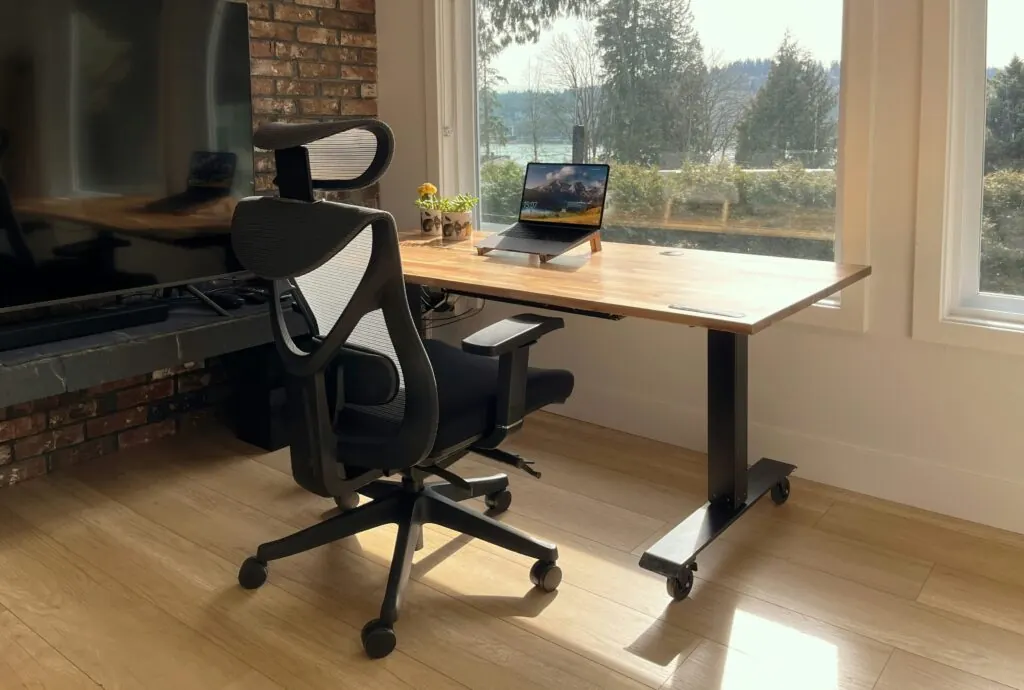
Experiencing back pain can feel like a constant, nagging discomfort that interferes with even the simplest daily activities. Bending to pick up items, sitting for extended periods, or standing for long hours can trigger sharp twinges or persistent soreness, making ordinary tasks challenging. This physical limitation often leads to frustration and reduced productivity, affecting both professional and personal life.
Many people worry that back pain signals a severe underlying condition or that it will inevitably worsen over time. Misconceptions about needing surgery or extensive medical intervention can create unnecessary anxiety. Understanding that most back pain develops gradually and can be managed effectively is essential to reduce fear and encourage proactive care.
Back pain is typically a symptom rather than a disease, often resulting from muscle strain, ligament stress, or spinal misalignment. Poor posture, repetitive movements, and prolonged inactivity contribute significantly to its onset. Recognizing the root causes and understanding the mechanics of back pain empowers individuals to take preventive and corrective measures, improving long-term spinal health.
How Bad Posture Affects the Body: The Silent Killer of Spinal Health
Bad posture is often underestimated because its effects develop gradually and silently, yet it can have serious consequences for spinal health and overall well-being. Slouching, leaning forward, or unevenly distributing weight might seem harmless, but over time, these habits strain muscles, ligaments, and discs, creating pain and dysfunction throughout the body.
The Silent Impact of Poor Posture
Poor posture doesn’t just cause back pain; it disrupts the alignment of the entire musculoskeletal system. Subtle shifts in the spine increase pressure on vertebrae and intervertebral discs, which can lead to chronic pain, nerve compression, and even disc degeneration. Because the onset is gradual, many people remain unaware of the damage until discomfort becomes significant.
- Misalignment from slouching can compress nerves, leading to tingling or numbness in limbs.
- Forward head posture strains neck muscles, causing headaches and upper back tension.
- Rounded shoulders reduce lung capacity, affecting breathing efficiency and energy levels.
- Prolonged poor posture alters gait and hip alignment, increasing risk of joint pain.
Muscle Imbalance and Weakness
Chronic bad posture creates muscle imbalances, where some muscles become tight while others weaken. For example, tight chest muscles pull shoulders forward, while weak upper back muscles fail to counteract the pull, reinforcing slouching. This imbalance leads to a cycle of pain and reduced mobility that worsens over time.
- Weak core muscles reduce spinal support, shifting the load to the lower back.
- Tight hip flexors from prolonged sitting tilt the pelvis forward, increasing lumbar strain.
- Overworked back muscles fatigue faster, contributing to stiffness and injury.
Long-Term Effects on Health
Ignoring posture problems can lead to more than musculoskeletal issues. Chronic strain affects nerve pathways, joint health, and even internal organ function. In severe cases, prolonged misalignment can contribute to spinal degeneration and chronic pain syndromes.
- Spinal misalignment may cause herniated discs or pinched nerves.
- Poor posture can increase tension headaches and contribute to temporomandibular joint (TMJ) pain.
- Persistent slouching affects digestion and circulation by compressing abdominal organs.
Understanding Good Posture
Good posture means aligning your spine so that your head, shoulders, and hips are in a neutral position. Proper posture reduces stress on muscles, ligaments, and discs, preventing pain and improving overall body mechanics. Both sitting and standing postures matter:
- Keep your back straight and shoulders relaxed while sitting, with feet flat on the floor.
- When standing, distribute weight evenly on both feet and avoid slouching.
- Avoid forward head posture by keeping screens at eye level.
Best Posture Exercises
Incorporating posture-focused exercises strengthens your core, back, and neck muscles, which support the spine:
- Plank: Strengthens core muscles that support your lower back.
- Bridges: Activates glutes and stabilizes the lumbar spine.
- Chin Tucks: Corrects forward head posture and strengthens neck muscles.
- Cat-Cow Stretch: Improves spinal flexibility and reduces stiffness.
Work-Life Balance Tips for Spine Health
Maintaining spine health isn’t just about exercise; balancing work and rest is essential:
- Take short movement breaks every 30–60 minutes during long work sessions.
- Alternate between sitting and standing if using a desk, ideally with a sit-stand desk.
- Prioritize sleep on a supportive mattress and pillow that maintain spinal alignment.
- Manage stress through stretching, yoga, or mindful breathing, which reduces muscle tension.
Strategies to Correct Posture
Correcting posture involves awareness, exercise, and lifestyle adjustments. Regularly strengthening weak muscles and stretching tight areas helps restore balance, while ergonomic modifications reduce strain throughout the day.
- Practice seated and standing posture checks throughout the day.
- Strengthen core, back, and shoulder muscles to maintain proper alignment.
- Use ergonomic chairs, adjustable desks, and supportive footwear.
- Incorporate stretching routines for chest, neck, and hip flexors to reduce tightness.
Bad posture is a silent killer because its effects accumulate without immediate warning. By recognizing the risks and implementing corrective strategies, individuals can prevent long-term damage, reduce pain, and maintain spinal health for years to come.
Diagnosis
Proper diagnosis ensures targeted treatment and reduces the risk of chronic pain. Healthcare professionals often combine physical examinations with imaging and patient history.
- Physical assessment evaluates posture, mobility, and muscle strength.
- Imaging tests like X-rays or MRI scans identify structural issues.
- Reviewing lifestyle habits helps determine contributing factors.
Treatment Options
Treatment approaches vary depending on the severity and underlying cause of back pain. Early intervention often leads to faster recovery and reduces the likelihood of chronic issues.
- Physical therapy strengthens supporting muscles and improves posture.
- Pain management medications alleviate inflammation and discomfort.
- Chiropractic adjustments and massage therapy relieve tension and restore alignment.
- In severe cases, minimally invasive surgical options may be considered.
Recovery Tips
Recovery involves consistent effort and attention to both body mechanics and lifestyle habits.
- Incorporate gentle stretching to improve flexibility and reduce stiffness.
- Gradually increase physical activity to strengthen muscles and support healing.
- Maintain ergonomic setups at workstations to minimize strain.
- Apply heat or cold therapy to soothe sore muscles and reduce inflammation.
Preventive Strategies
Preventing back pain requires proactive adjustments in daily routines, posture, and physical conditioning.
- Practice proper posture when sitting, standing, and lifting objects.
- Engage in regular core and back strengthening exercises.
- Take short movement breaks during prolonged sitting periods.
- Use supportive chairs and shoes to reduce spinal stress.
Conclusion
Back pain is a common condition that can range from mild discomfort to chronic, life-limiting issues. While poor posture, muscle weakness, and lifestyle habits are major contributors, most cases can be managed and even prevented with proper care. Understanding the causes, recognizing early symptoms, and adopting corrective measures such as ergonomic practices, exercises, and mindful movement are essential steps toward relief. By taking proactive measures and seeking professional guidance when needed, individuals can maintain a healthy spine, reduce pain, and improve overall quality of life.
FAQs
1. What is the main cause of back pain?
Poor posture, muscle strain, and spinal misalignment are primary contributors to back pain.
2. How long does back pain usually last?
Mild cases may resolve in a few days, while chronic pain can persist for weeks or months.
3. Can exercises really help back pain?
Yes, targeted exercises improve strength, flexibility, and spinal support, reducing discomfort.
4. When should I see a doctor for back pain?
Seek medical attention if pain is severe, persistent, or accompanied by numbness, tingling, or weakness.
5. Are ergonomic chairs effective for prevention?
Proper chairs reduce spinal stress and encourage correct posture, helping prevent back pain.
6. Is medication always necessary for back pain?
Not always; many cases improve with physical therapy, lifestyle changes, and posture correction.
7. Can poor posture lead to chronic back problems?
Yes, long-term poor posture increases the risk of persistent pain and spinal issues.
8. What lifestyle changes help with back pain?
Regular exercise, proper lifting techniques, and ergonomic workstations are key strategies.
9. Are heat or cold therapies useful?
Yes, heat relaxes muscles, and cold reduces inflammation, providing temporary relief.
10. Can sleeping positions affect back health?
Correct sleeping positions, like lying on the back or side with support, reduce strain on the spine.
Disclaimer
This content is for informational purposes only and does not replace professional medical advice. Consult a healthcare provider for personalized guidance and diagnosis regarding back pain or any medical condition.
This article is for education purpose only and is not a diagnosis or a substitute for medical advice.