
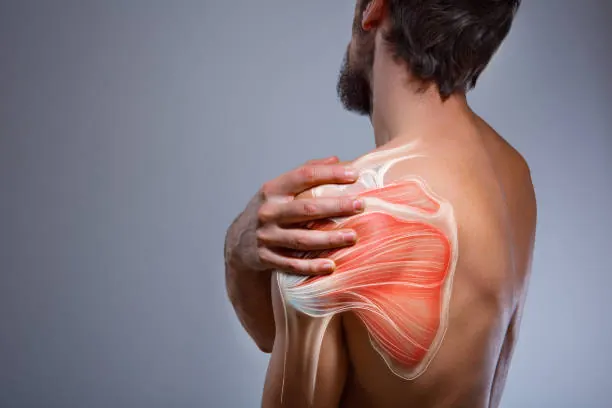
Shoulder bursitis is one of the most common yet frequently misdiagnosed sources of shoulder pain, affecting millions of people across the United States every year. It typically presents as a deep, aching pain felt at the outer or front of the shoulder that worsens when lifting the arm, reaching overhead, or lying on the affected side at night. What makes shoulder bursitis particularly frustrating is how quickly it can escalate from a minor irritation after a busy day of physical activity into a persistent, sleep-disrupting pain that limits nearly every upper body movement. Many people dismiss the early warning signs, assuming the discomfort will resolve on its own — only to find it worsening over the following weeks.
The good news is that shoulder bursitis is highly treatable, and the overwhelming majority of people recover fully with conservative management. Understanding what is actually happening inside your shoulder — and why the bursa becomes inflamed in the first place — makes an enormous difference in how effectively you can manage and ultimately eliminate the pain. Panic and confusion are common reactions to shoulder pain, but with the right information and treatment approach, most patients experience meaningful relief within days to weeks and complete recovery within a few months.
Shoulder bursitis occurs when the bursa — a small, fluid-filled sac that cushions the rotator cuff tendons from the overlying acromion bone — becomes inflamed and swollen. This inflammation can result from repetitive overhead activity, direct trauma, underlying shoulder impingement, or in some cases infection. When the bursa swells, it takes up space in the already narrow subacromial area, compressing the rotator cuff tendons and producing the characteristic pain of this condition. Recognizing the symptoms early, understanding the causes, and acting promptly with appropriate treatment gives you the best possible chance of fast, lasting recovery.
What Is the Shoulder Bursa?
The body contains over 150 bursae — small sacs lined with synovial membrane and filled with a thin layer of lubricating fluid. Their purpose is to reduce friction between moving structures such as tendons, muscles, and bones. The most clinically important bursa in the shoulder is the subacromial bursa, located between the supraspinatus tendon of the rotator cuff below and the acromion bone above. Under normal conditions this bursa is paper-thin and practically invisible on imaging. When it becomes inflamed — a condition called bursitis — it fills with excess fluid, thickens, and swells to a size that creates significant pain and mechanical compression within the subacromial space.
Types of Shoulder Bursitis
Subacromial Bursitis
Subacromial bursitis is by far the most common type, occurring when the bursa between the rotator cuff and the acromion becomes inflamed. It frequently coexists with shoulder impingement syndrome and rotator cuff tendinopathy since all three conditions share the same subacromial space and the same mechanical triggers. In many patients these conditions exist simultaneously, which is why a thorough diagnosis is essential before beginning treatment.
Subdeltoid Bursitis
The subdeltoid bursa lies beneath the deltoid muscle and may become inflamed independently or in conjunction with subacromial bursitis. It produces pain felt more broadly across the outer shoulder and upper arm and is often associated with calcium deposits in the bursa or surrounding tendons — a condition called calcific bursitis.
Septic Bursitis
Septic bursitis occurs when bacteria enter the bursa through a skin wound, injection, or via the bloodstream, causing infection within the bursal sac. Unlike mechanical bursitis, septic bursitis produces warmth, redness, and swelling that is visible on the surface of the shoulder, often accompanied by fever and systemic illness. This form requires urgent medical evaluation and antibiotic treatment — it cannot be managed with home remedies or physical therapy alone.
Calcific Bursitis
Calcific bursitis develops when calcium deposits form within the bursa or adjacent rotator cuff tendons, triggering an intense inflammatory reaction. It can cause sudden, severe shoulder pain that comes on rapidly and is often described as one of the most acutely painful shoulder conditions. The calcific phase typically resolves over weeks to months as the calcium is gradually reabsorbed, but treatment can significantly speed this process.
Causes and Risk Factors
Repetitive Overhead Activity
The most common cause of shoulder bursitis is repetitive mechanical irritation from overhead movements that repeatedly compress the subacromial bursa between the humerus and acromion. This is particularly common in overhead athletes, manual workers, and people who suddenly increase their training volume without adequate preparation. Painters, electricians, carpenters, swimmers, tennis players, and baseball pitchers are among the highest-risk groups for developing subacromial bursitis through occupational or athletic overuse.
Shoulder Impingement
Shoulder impingement and subacromial bursitis are so closely linked that they are often considered part of the same pathological continuum. When the supraspinatus tendon is repeatedly pinched under the acromion due to poor shoulder mechanics, the bursa directly above it absorbs much of the same compressive force and becomes inflamed as a consequence. Understanding shoulder impingement syndrome causes and treatment is therefore directly relevant to understanding and preventing bursitis recurrence.
Direct Trauma
A fall onto the shoulder, a direct blow during contact sports, or an awkward landing can acutely inflame the subacromial bursa. Traumatic bursitis tends to develop rapidly within hours of injury and is often associated with significant swelling and bruising around the shoulder joint.
Postural Dysfunction
Rounded shoulders and forward head posture reduce subacromial clearance by tilting the scapula forward and downward, increasing compression on both the rotator cuff tendons and the bursa during arm elevation. This postural pattern — increasingly prevalent in desk workers and smartphone users — is a significant and often overlooked contributor to chronic shoulder bursitis. The connection between spinal posture and shoulder mechanics means that how back pain starts and the role of poor posture is directly relevant to shoulder bursitis prevention and management.
Rotator Cuff Weakness and Imbalance
Weakness in the rotator cuff muscles — particularly the external rotators — allows the humeral head to migrate superiorly during arm elevation, compressing the bursa against the acromion. Scapular stabilizer weakness compounds this by preventing proper scapular upward rotation, further reducing the space available for the bursa during shoulder movement. A rotator cuff tear significantly increases bursitis risk by altering shoulder mechanics and removing the dynamic centering force that protects the subacromial space.
Underlying Medical Conditions
Systemic inflammatory conditions including rheumatoid arthritis, gout, and diabetes are associated with increased bursitis susceptibility. People with these conditions are more prone to developing bursitis with less mechanical provocation than healthy individuals, and their recovery tends to be more complex and prolonged.
Symptoms of Shoulder Bursitis
Pain Location and Character
Shoulder bursitis produces a characteristic deep aching pain felt primarily at the outer and front of the shoulder, often radiating into the upper arm but rarely extending below the elbow. The pain is typically described as a persistent dull ache at rest that intensifies sharply during specific shoulder movements. A painful arc — where the shoulder hurts most between 60 and 120 degrees of arm elevation — is a hallmark finding that reflects the position where subacromial compression peaks and the inflamed bursa is maximally compressed.
Night Pain and Sleep Disruption
Night pain is one of the most clinically significant and debilitating symptoms of shoulder bursitis. Many patients report that pain wakes them from sleep when rolling onto the affected shoulder or that they cannot find a comfortable sleeping position regardless of how they position themselves. This nocturnal pain often prompts people to finally seek medical attention after weeks of tolerating daytime discomfort.
Swelling and Tenderness
In more severe cases of shoulder bursitis, visible or palpable swelling may be present over the outer shoulder. Direct pressure over the subacromial region typically reproduces the characteristic pain. Warmth over the shoulder suggests significant acute inflammation and should prompt consideration of septic bursitis if accompanied by fever.
Functional Limitations
- Overhead reaching: Activities like reaching for objects on high shelves, washing hair, or performing overhead press exercises consistently reproduce bursitis pain by compressing the inflamed bursa.
- Reaching behind the back: Fastening clothing, tucking in shirts, or reaching into a back pocket are particularly provocative movements that internally rotate and extend the shoulder, compressing the posterior subacromial space.
- Carrying loads: Carrying bags, groceries, or lifting objects away from the body increases the compressive load on the subacromial bursa and aggravates symptoms.
Progression Without Treatment
Untreated shoulder bursitis tends to follow a worsening course. Initial activity-related pain becomes persistent and eventually affects rest and sleep. Secondary muscle guarding reduces shoulder mobility, increasing the risk of developing frozen shoulder — a significantly more complex and prolonged condition that can take 12–18 months to fully resolve.
Diagnosis
Clinical Examination
An experienced orthopedic specialist or physiotherapist can diagnose shoulder bursitis confidently through clinical assessment. Specific impingement tests — including the Neer sign and Hawkins-Kennedy test — reproduce bursitis pain by compressing the inflamed subacromial bursa. Palpation directly over the subacromial region produces localized tenderness. Range of motion assessment identifies the painful arc and any associated mobility restriction.
Imaging
X-rays assess acromion shape, bone spur formation, and calcific deposits within the bursa or tendons. MRI provides definitive visualization of bursal fluid, thickening, and associated rotator cuff pathology. Ultrasound is particularly valuable for shoulder bursitis as it allows dynamic real-time assessment of bursal compression during shoulder movement and can accurately guide therapeutic injections to the exact site of inflammation.
Diagnostic Injection
A subacromial lidocaine injection that completely eliminates pain — the impingement test — confirms the subacromial space as the source of symptoms and differentiates bursitis from glenohumeral joint arthritis or acromioclavicular joint pathology as the pain generator.
Treatment Options
Fast Relief Strategies — What to Do First
Ice therapy applied directly over the shoulder for 15–20 minutes every 2–3 hours during the first 48–72 hours of an acute flare significantly reduces bursal inflammation and provides immediate pain relief. A bag of frozen peas wrapped in a thin cloth works effectively. After the acute inflammatory phase, alternating heat and ice can help manage ongoing discomfort.
Activity modification is essential from day one. Temporarily eliminating the specific movements that reproduce pain — particularly overhead reaching and heavy lifting — removes the mechanical irritation driving inflammation and allows the bursa to begin settling. This does not mean complete rest — gentle movement within a pain-free range is important to prevent stiffness.
NSAIDs such as ibuprofen or naproxen taken regularly for 1–2 weeks during an acute flare reduce subacromial inflammation and provide meaningful pain relief. They work most effectively when taken consistently at therapeutic doses rather than sporadically. Topical anti-inflammatory gels applied over the shoulder offer localized relief with fewer systemic side effects for those who cannot tolerate oral NSAIDs. Our guide on top anti-inflammatory foods to relieve shoulder pain complements medication by addressing dietary inflammation that contributes to bursal irritation.
Physical Therapy
Physical therapy is the cornerstone of lasting shoulder bursitis recovery and the treatment that addresses the underlying mechanical causes rather than simply managing symptoms. A well-structured rehabilitation program progresses through several important phases.
The initial phase focuses on pain reduction, gentle range of motion restoration, and scapular muscle activation. The middle phase emphasizes progressive rotator cuff strengthening — particularly external rotation — and scapular stabilizer training to restore proper shoulder mechanics and prevent ongoing bursal compression. The final phase focuses on functional movement training, sport or work-specific rehabilitation, and postural correction to address the upstream contributors to bursitis. Incorporating top exercises for shoulder pain alongside formal physical therapy provides a comprehensive home exercise program that accelerates recovery between clinic appointments.
Corticosteroid Injection
A subacromial corticosteroid injection is one of the most effective treatments for shoulder bursitis, delivering powerful anti-inflammatory medication directly into the inflamed bursa. Most patients experience significant pain relief within days that typically lasts several weeks to months. Injections are most valuable when pain is severe enough to prevent effective participation in physical therapy, providing a window of reduced pain during which rehabilitation can proceed more comfortably. Most guidelines recommend limiting injections to three per year at any single site.
Home Remedies for Fast Relief
- Shoulder pendulum exercises: Leaning forward and allowing the arm to hang and swing gently in small circles decompresses the subacromial space and reduces bursal compression, providing noticeable pain relief during acute flares.
- Sleeping position adjustment: Using a pillow to support the affected arm in a neutral position when side-lying, or sleeping on the back with a small pillow under the arm, significantly reduces overnight bursal compression and improves sleep quality.
- Ergonomic adjustments: Raising a computer monitor to eye level, adjusting chair height to support neutral shoulder posture, and avoiding reaching across the body during daily tasks reduce cumulative subacromial stress throughout the day.
Surgical Treatment
Surgery for shoulder bursitis is rarely necessary but is considered when 3–6 months of consistent conservative treatment — including physical therapy and at least one corticosteroid injection — has failed to provide adequate relief. Arthroscopic bursectomy removes the thickened, inflamed bursa through small keyhole incisions. Subacromial decompression — shaving the undersurface of the acromion to increase clearance — is performed simultaneously when bone spur impingement is contributing to the problem. Recovery after arthroscopic bursectomy is relatively straightforward, with most patients returning to full activity within 6–12 weeks following surgery.
Recovery Timeline
- Days 1–7: Acute pain management with ice, NSAIDs, activity modification, and gentle pendulum exercises. Most patients notice some improvement within the first week with consistent management.
- Weeks 2–4: Pain begins settling with consistent treatment. Initiate formal physical therapy focusing on scapular activation and pain-free range of motion restoration.
- Weeks 4–8: Progressive rotator cuff and scapular strengthening. Postural correction program underway. Most patients experience significant functional improvement during this phase.
- Weeks 8–16: Advanced strengthening, return to overhead activities, and sport or work-specific rehabilitation. Full recovery for most straightforward cases.
- 3–6 months: Complete resolution expected for the majority of patients with consistent engagement in rehabilitation and lifestyle modification.
Prevention Strategies
- Maintain rotator cuff and scapular strength consistently: Regular external rotation strengthening and scapular stabilizer exercises maintain optimal shoulder mechanics and subacromial clearance during all overhead activities.
- Address postural habits proactively: Regular thoracic mobility work, pectoral stretching, and ergonomic workstation setup prevent the rounded shoulder posture that narrows the subacromial space and drives bursitis.
- Progress overhead training volume gradually: Sudden increases in overhead exercise volume are a primary trigger for acute bursitis episodes. Follow the ten percent rule — increase weekly training load by no more than 10% per week.
- Warm up thoroughly before overhead activity: A proper dynamic shoulder warm-up including band pull-aparts, wall slides, and shoulder circles prepares the bursa and surrounding structures for activity and significantly reduces irritation risk.
- Manage systemic inflammation through diet: Chronic dietary inflammation increases the inflammatory response in bursae and tendons throughout the body. Following an anti-inflammatory eating pattern supports tissue health and reduces bursitis susceptibility. Our guide on how changing your diet can help reduce pain naturally provides practical dietary strategies directly applicable to shoulder bursitis prevention.
Conclusion
Shoulder bursitis is a painful but highly treatable condition that responds excellently to early, appropriate management. Whether your bursitis was triggered by repetitive overhead work, a sudden injury, or gradually developing poor shoulder mechanics, the path to recovery follows the same fundamental principles — reduce inflammation promptly, restore proper shoulder mechanics through targeted rehabilitation, correct the postural and lifestyle factors driving ongoing compression, and build the strength and movement habits that protect your shoulder for the long term. The vast majority of patients achieve full recovery without surgery. The key is not to ignore early symptoms and to seek appropriate treatment before the condition becomes chronic and more complex to manage.
Frequently Asked Questions
1. How long does shoulder bursitis take to heal? Most cases of shoulder bursitis resolve within 6–12 weeks with consistent conservative treatment. Mild acute cases can improve within 2–3 weeks, while chronic bursitis with associated rotator cuff pathology may take 3–6 months of structured rehabilitation.
2. What is the fastest way to relieve shoulder bursitis pain? Ice application for 15–20 minutes every 2–3 hours, NSAIDs taken consistently, activity modification to avoid overhead movements, and gentle pendulum exercises provide the fastest short-term relief during an acute flare.
3. Can shoulder bursitis go away on its own? Mild cases may settle with rest and activity modification. However, without addressing the underlying mechanical causes, bursitis typically recurs and can progressively worsen, potentially leading to rotator cuff damage and frozen shoulder.
4. What is the difference between shoulder bursitis and impingement? Impingement refers to the mechanical compression of the supraspinatus tendon under the acromion. Bursitis is the inflammatory response of the bursa to that same compression. The two conditions frequently coexist and share the same mechanical triggers and treatment approaches.
5. Is heat or ice better for shoulder bursitis? Ice is better during the first 48–72 hours of an acute flare to reduce acute inflammation. After the initial phase, heat helps relax surrounding muscles and improve blood flow to support healing. Alternating between the two is often most effective for chronic bursitis management.
6. Can I exercise with shoulder bursitis? Yes, with appropriate modifications. Avoid overhead pressing, upright rows, and any exercise consistently reproducing sharp pain. Focus on pain-free range of motion, scapular strengthening, and gentle rotator cuff activation under physiotherapy guidance.
7. When should I see a doctor for shoulder bursitis? Seek medical attention if pain is severe, worsening despite home management, accompanied by fever or visible redness suggesting infection, or if symptoms persist beyond 2–3 weeks without improvement.
8. Does a cortisone injection cure shoulder bursitis? A cortisone injection effectively reduces inflammation and provides significant pain relief but does not address the underlying mechanical causes of bursitis. It is most valuable as a bridge to enable effective physical therapy engagement rather than as a standalone treatment.
9. Can shoulder bursitis lead to a rotator cuff tear? Chronic, untreated bursitis combined with ongoing subacromial impingement can contribute to progressive rotator cuff tendon damage and eventual tearing. This is one of the most important reasons to treat bursitis promptly and address its underlying mechanical causes.
10. What foods help reduce shoulder bursitis inflammation? Foods rich in omega-3 fatty acids such as salmon and walnuts, antioxidant-rich vegetables and berries, turmeric, ginger, and adequate vitamin D all help reduce systemic inflammation and support bursal tissue recovery.
Disclaimer
The information provided in this article is for educational and informational purposes only and does not constitute professional medical advice, diagnosis, or treatment. Always consult a qualified orthopedic specialist or physiotherapist before beginning any treatment or exercise program for shoulder bursitis or any other musculoskeletal condition.
This article is for education purpose only and is not a diagnosis or a substitute for medical advice.