
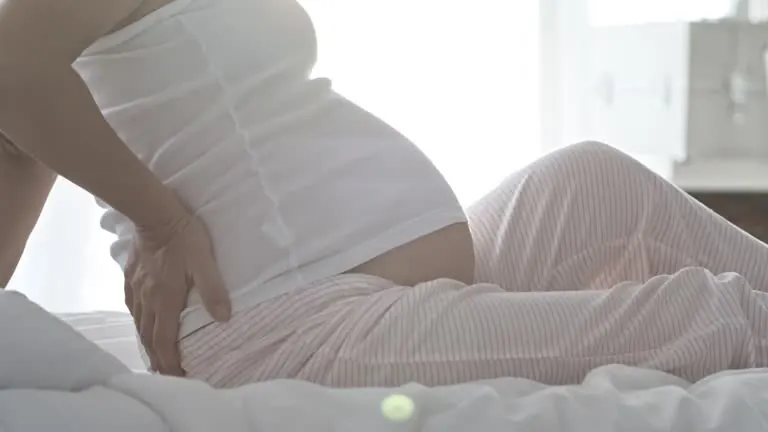
Back pain during pregnancy is one of the most common discomforts expectant mothers experience, affecting up to 70% of pregnant women at some point during their pregnancy. As the body undergoes rapid and remarkable physical changes to accommodate a growing baby, the spine and surrounding muscles face increasing mechanical demands that often result in aching, stiffness, and sometimes sharp pain in the lower back, hips, and pelvis. For many women this pain begins as early as the first trimester and can intensify as pregnancy progresses, making everyday activities like standing, walking, sitting at a desk, or getting out of bed genuinely challenging.
It is completely normal to feel concerned when back pain develops during pregnancy, but in the vast majority of cases it is a predictable consequence of the physical changes your body is going through rather than a sign of anything seriously wrong. Understanding why pregnancy causes back pain, knowing which relief strategies are safe, and learning which exercises can genuinely help without harming you or your baby puts you firmly in control of your comfort and wellbeing throughout your pregnancy journey.
Why Does Pregnancy Cause Back Pain?
Postural Changes and Center of Gravity Shift
As the uterus grows and the abdomen expands, the body’s center of gravity shifts forward. To compensate, most pregnant women unconsciously lean backward, increasing the natural curve of the lumbar spine — a posture called lordosis. This exaggerated curve places significantly increased stress on the lumbar joints, discs, and surrounding muscles, which must work harder to maintain upright posture. This is the single most common mechanical driver of pregnancy-related lower back pain and is closely related to the postural changes discussed in our guide on how back pain starts and the role of poor posture.
Relaxin and Ligament Laxity
During pregnancy the body releases a hormone called relaxin, which loosens the ligaments and joints throughout the pelvis to prepare for childbirth. While this is a necessary and beneficial process, it also reduces spinal and pelvic stability, making the lower back and sacroiliac joints more vulnerable to strain and pain during everyday movements. This hormonal laxity affects the entire musculoskeletal system, not just the pelvis, which is why many pregnant women notice generalized joint discomfort alongside their back pain.
Sacroiliac Joint Dysfunction
The sacroiliac (SI) joints — where the pelvis connects to the base of the spine — are particularly affected by the combination of relaxin-induced laxity and increased mechanical load during pregnancy. SI joint pain is extremely common in pregnancy and produces a deep, aching pain in the lower back and buttocks that can radiate into the thighs. Understanding the distinction between SI joint pain and general lower back pain covered in our SI joint pain vs lower back pain guide helps identify the correct treatment approach.
Muscle Weakness and Abdominal Separation
As the abdomen expands, the abdominal muscles stretch and weaken, removing a critical source of spinal support. In many women the two halves of the rectus abdominis muscle separate along the midline — a condition called diastasis recti — which further reduces core stability and increases the load placed on the lumbar spine and back muscles to compensate. This muscle imbalance is a primary contributor to persistent lower back pain that continues after delivery if not specifically addressed.
Sciatica During Pregnancy
The expanding uterus can directly compress the sciatic nerve or piriformis muscle, producing the sharp, shooting leg pain characteristic of sciatica. Pregnancy-related sciatica is particularly common in the third trimester and produces radiating pain from the lower back through the buttock and down one leg. Our comprehensive sciatica causes and treatment guide covers the full spectrum of sciatic nerve pain management, many aspects of which apply directly to pregnancy-related sciatica.
Types of Back Pain in Pregnancy
Lumbar Pain
Lumbar pain is felt in the lower back around and above the waist and behaves similarly to typical non-pregnancy lower back pain. It worsens with prolonged standing, sitting, or forward bending and tends to improve with rest. This type responds well to postural correction, gentle exercise, and supportive measures. The causes, symptoms and risk factors of general back pain are highly relevant to understanding lumbar pregnancy pain.
Posterior Pelvic Pain
Posterior pelvic pain is more common in pregnancy than lumbar pain and is felt as a deep ache below and to the sides of the waistline, in the buttocks, and sometimes into the thighs. It is related to SI joint dysfunction and is significantly worsened by walking, climbing stairs, rolling over in bed, and asymmetric activities like standing on one leg.
Safe Relief Strategies
Prenatal Massage and Heat Therapy
Gentle prenatal massage by a qualified therapist relieves muscle tension in the lower back, hips, and glutes that accumulates from compensatory postural changes. Applying a warm — not hot — heat pack to the lower back for 15–20 minutes relieves muscle spasm and improves circulation. Always avoid applying heat directly to the abdomen during pregnancy.
Supportive Belts and Proper Footwear
Maternity support belts provide gentle compression and lifting support to the growing abdomen, reducing the mechanical load transferred to the lumbar spine and SI joints. They are particularly helpful during prolonged standing or walking. Supportive, low-heeled footwear maintains better spinal alignment than high heels, which exaggerate lumbar lordosis and worsen pregnancy back pain significantly.
Sleep Position and Pillows
Sleeping on the side with a pregnancy pillow between the knees and supporting the abdomen significantly reduces rotational stress on the lumbar spine and SI joints overnight. After 20 weeks, sleeping flat on the back is not recommended as the uterus can compress the inferior vena cava. A pillow behind the back prevents rolling onto the back during sleep.
Daily Habit Adjustments
Small daily habit changes make a meaningful cumulative difference in pregnancy back pain management. Avoiding prolonged standing in one position, sitting with lumbar support, taking regular movement breaks, and using proper lifting mechanics — bending at the knees and keeping loads close to the body — all reduce spinal stress throughout the day. Our guide on how daily habits and remedies are effective for back pain provides practical strategies directly applicable to pregnancy.
Safe Exercises During Pregnancy
Always consult your healthcare provider before beginning any exercise program during pregnancy. The following exercises are generally considered safe for uncomplicated pregnancies and have strong evidence supporting their effectiveness for back pain relief.
Pelvic tilts: Lie on your back with knees bent (safe in the first and early second trimester), or perform standing against a wall. Gently flatten the lower back by tightening the abdominals and tilting the pelvis. Hold for 5 seconds, repeat 10 times. This activates deep core stabilizers and reduces lumbar lordosis.
Cat-cow stretch: On hands and knees, slowly alternate between gently arching and rounding the spine in a smooth, controlled rhythm. This mobilizes the lumbar spine, relieves muscle tension, and is one of the most consistently recommended and safest exercises for pregnancy back pain at any trimester.
Prenatal swimming and water exercise: The buoyancy of water significantly reduces spinal loading while allowing full body movement. Swimming, water walking, and prenatal aqua aerobics are excellent throughout all trimesters and provide cardiovascular benefit alongside back pain relief.
Side-lying clam exercise: Lie on your side with hips bent to 45 degrees and knees together. Keeping the feet together, lift the top knee like a clamshell opening. This strengthens the hip abductors and gluteus medius — muscles that support the pelvis and reduce SI joint stress.
Seated ball exercises: Sitting on a stability ball and performing gentle pelvic circles, side-to-side weight shifts, and forward-backward rocking activates deep stabilizing muscles, improves pelvic mobility, and relieves pressure on the lumbar discs.
When to See a Doctor
While most pregnancy-related back pain is mechanical and manageable, certain symptoms require prompt medical evaluation. Severe or rapidly worsening back pain, pain accompanied by fever, pain associated with vaginal bleeding or unusual discharge, numbness or weakness in the legs, or any loss of bladder and bowel control should be evaluated immediately by your healthcare provider as these may indicate conditions requiring urgent attention.
Conclusion
Back pain during pregnancy is an extremely common and understandable consequence of the profound physical changes the body undergoes during this remarkable time. With the right combination of postural awareness, safe exercises, supportive measures, and daily habit adjustments, most pregnant women can manage their back pain effectively and maintain a comfortable, active pregnancy. Always work closely with your obstetrician, midwife, or a physiotherapist experienced in prenatal care to develop a personalized plan that keeps both you and your baby safe throughout your pregnancy journey.
Frequently Asked Questions
1. When does back pain usually start in pregnancy? Back pain can begin as early as the first trimester but most commonly intensifies during the second and third trimesters as the baby grows and postural demands increase.
2. Is back pain during pregnancy normal? Yes — up to 70% of pregnant women experience back pain at some point. It is a predictable consequence of hormonal and postural changes rather than a sign of complications in most cases.
3. What sleeping position helps pregnancy back pain? Side-lying with a pillow between the knees and one supporting the abdomen is the most effective and safest position for relieving pregnancy-related back pain.
4. Can I take pain medication for back pain during pregnancy? Always consult your doctor before taking any medication during pregnancy. Paracetamol is generally considered the safest option for short-term pain relief. NSAIDs are typically avoided, particularly after 30 weeks.
5. Does pregnancy back pain go away after delivery? Most pregnancy-related back pain resolves within weeks to months after delivery. However, women with diastasis recti or SI joint dysfunction may need specific postnatal rehabilitation to fully resolve their symptoms.
6. Is walking good for pregnancy back pain? Yes — gentle walking maintains spinal mobility, strengthens supporting muscles, and improves circulation. Wear supportive footwear and avoid walking on uneven surfaces for extended periods.
7. Can sciatica develop during pregnancy? Yes — uterine growth can compress the sciatic nerve, producing shooting pain down one leg. Most pregnancy-related sciatica resolves after delivery, though stretching and positional adjustments help manage symptoms during pregnancy.
8. Are there any exercises I should completely avoid during pregnancy? Avoid high-impact exercises, heavy lifting, exercises lying flat on the back after 20 weeks, contact sports, and any exercise that causes pain, dizziness, or shortness of breath.
9. Does a maternity belt really help back pain? Yes — maternity support belts reduce the mechanical load on the lumbar spine and SI joints during prolonged standing and walking, providing meaningful pain relief for many women particularly in the third trimester.
10. When is back pain during pregnancy a medical emergency? Seek immediate medical attention if back pain is severe and sudden, accompanied by fever, associated with vaginal bleeding, or if you experience leg weakness, numbness in the groin, or loss of bladder or bowel control.
Disclaimer
The information in this article is for educational purposes only and is not a substitute for professional medical advice.
This article is for education purpose only and is not a diagnosis or a substitute for medical advice.