
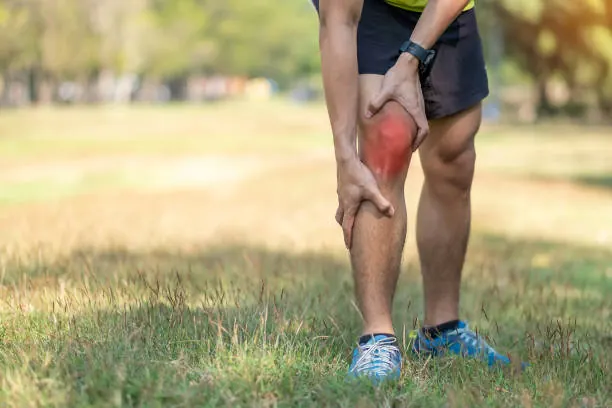
Runner’s knee can cause a dull ache around or behind the kneecap that becomes more noticeable when running, climbing stairs, squatting, or sitting with your knees bent for a long time. The discomfort may start gradually, making everyday activities increasingly uncomfortable even if you have not experienced a specific injury.
Although runner’s knee is common among runners, you do not have to run to develop it. Similar pain can affect people who cycle, hike, play sports, or suddenly increase their exercise routine. Persistent knee pain should not automatically be attributed to runner’s knee because other knee conditions can produce similar symptoms.
Runner’s knee, often called patellofemoral pain, describes pain around the kneecap associated with how the kneecap and surrounding tissues tolerate movement and loading. Understanding its symptoms, possible causes, treatment options, and warning signs can help you choose sensible next steps and return to activity safely.
What Does Runner’s Knee Feel Like?
Runner’s knee usually causes pain at the front of the knee, around or behind the kneecap. The discomfort may feel dull, aching, or occasionally sharp during activities that bend the knee under load.
Common symptoms include:
- Pain when running, especially downhill or after increasing mileage.
- Discomfort when climbing or descending stairs.
- Pain during squats, lunges, or kneeling.
- Stiffness or aching after sitting with bent knees for an extended period.
- Pain that increases with repeated knee bending.
- Occasional clicking, which does not necessarily indicate damage.
Symptoms can affect one or both knees. Significant swelling, a knee that locks, or an inability to bear weight is less typical and deserves medical assessment.
What Causes Runner’s Knee?
Runner’s knee often develops when the demands placed on the knee exceed its current capacity. It is not always caused by a single injury or a kneecap that is visibly out of position.
Common contributing factors include:
- Training changes: Increasing running distance, speed, hills, or workout frequency too quickly.
- Muscle capacity: Reduced strength or coordination in the quadriceps and hip muscles may affect how the leg manages repeated loading.
- Repetitive movement: Frequent running, jumping, squatting, or stair climbing can aggravate symptoms.
- Recovery limitations: Inadequate rest between demanding sessions may leave the knee less able to tolerate exercise.
- Previous knee pain or injury: Earlier problems may influence movement and activity tolerance.
Runner’s knee is different from a meniscus tear or knee arthritis, although symptoms can overlap. For comparison, review meniscus tear vs. knee arthritis symptoms and the common causes of knee pain and when to seek care.
How Is Runner’s Knee Different From Other Knee Problems?
| Feature | Runner’s knee | Meniscus tear | Knee arthritis |
|---|---|---|---|
| Typical pain location | Around or behind the kneecap | Along the inner or outer joint line | Across the joint, sometimes around the kneecap |
| Common triggers | Running, stairs, squats, prolonged sitting | Twisting, pivoting, bending | Walking, standing, joint movement |
| Swelling | Usually absent or mild | May occur | May occur, especially during flares |
| Locking or catching | Not typical | Can occur | Sometimes occurs, but true locking needs assessment |
| Usual evaluation | Symptoms and physical examination | Examination, sometimes MRI | Examination and sometimes X-rays |
These patterns are clues, not a diagnosis. A clinician may consider other causes, including patellar tendinopathy, bursitis, or a ligament injury. Sudden pain after an injury may need a different evaluation than gradually developing pain.
How Can You Treat Runner’s Knee at Home?
Treatment usually focuses on reducing aggravating loads, maintaining comfortable movement, and gradually rebuilding strength. Complete inactivity is rarely necessary, but continuing activities that repeatedly worsen the pain may delay recovery.
1. Adjust running and painful activities
Temporarily reduce running distance, speed, hills, and high-impact workouts. If running causes pain that increases during the session or remains worse afterward, switch to a comfortable alternative such as easy walking, swimming, or cycling with low resistance, provided it does not aggravate symptoms.
For additional options, explore low-impact exercises for painful joints. If pain develops specifically after a run, understanding knee pain after running may help you identify relevant activity patterns.
2. Use cold therapy if it helps
Apply a cold pack wrapped in a towel for about 15–20 minutes after an aggravating activity. Avoid placing ice directly on the skin, and stop if the skin becomes painful, numb, or irritated. Cold may provide temporary relief but does not address the underlying cause.
3. Build strength gradually
Rehabilitation may include quadriceps strengthening, hip strengthening, controlled sit-to-stands, and other exercises selected for your symptoms and ability. Start with comfortable movements and increase resistance or repetitions gradually rather than pushing through sharp or escalating pain.
A physical therapist can tailor a plan and help correct training errors. You can also review exercises for knee pain when climbing stairs, while recognizing that not every exercise is appropriate for every cause of knee pain.
4. Consider medication carefully
Some people use over-the-counter pain relievers, including topical or oral anti-inflammatory medicines. These are not suitable for everyone: risks may depend on kidney disease, stomach ulcers, cardiovascular conditions, pregnancy, other medications, and other health factors. Ask a pharmacist or clinician which option is appropriate for you, and follow the product directions.
How Long Does Runner’s Knee Take to Heal?
Recovery varies according to symptom severity, contributing factors, and how consistently activity and rehabilitation are adjusted. Mild symptoms may improve over several weeks, while persistent or recurrent pain can take longer.
| Recovery phase | Practical focus |
|---|---|
| Early symptoms | Reduce painful loading and maintain comfortable movement |
| Symptoms improving | Begin or progress strengthening exercises |
| Returning to running | Increase duration and intensity gradually |
| Symptoms recurring | Reassess training load, exercise technique, and possible alternative causes |
Do not use a fixed timeline as proof that the knee has healed. Before increasing running, aim to walk, climb stairs, and perform appropriate strengthening activities with minimal symptoms and no meaningful worsening afterward.
When Should You See a Doctor?
Arrange a medical evaluation if knee pain persists despite reducing aggravating activities, repeatedly returns, interferes with daily life, or fails to improve with a sensible rehabilitation plan. A clinician will ask about symptom onset, training changes, injury history, and painful movements, then examine the knee and leg.
Imaging is not always needed for typical patellofemoral pain. X-rays or MRI may be considered when symptoms, examination findings, injury history, or lack of improvement suggest another problem.
Warning signs that need prompt attention
Usually reasonable to monitor: Mild pain that improves with activity modification and is not accompanied by significant swelling or loss of function.
Seek medical evaluation: Persistent pain, recurring swelling, increasing discomfort, or symptoms that limit walking or ordinary activities.
Seek urgent care: A hot, red knee with fever; major swelling after an injury; inability to bear weight; a visibly deformed knee; or a knee that becomes stuck and cannot straighten. These symptoms can indicate a more serious condition and should not be assumed to be runner’s knee.
Frequently Asked Questions
1. Can you have runner’s knee without running?
Yes. Cycling, hiking, jumping, squatting, and other repetitive knee-bending activities can cause similar patellofemoral pain.
2. Is runner’s knee the same as a meniscus tear?
No. Runner’s knee generally involves pain around or behind the kneecap, while a meniscus tear affects cartilage inside the knee joint. Symptoms overlap, so examination may be needed to distinguish them.
3. Should I stop running if I have runner’s knee?
Temporarily reduce or pause running if it worsens your pain. Maintain comfortable activities when possible and return gradually as symptoms improve.
4. Is walking good for runner’s knee?
Comfortable walking is often reasonable if it does not increase symptoms during the activity or afterward. Reduce the duration or seek advice if walking causes worsening pain.
5. Do knee braces help runner’s knee?
A brace or patellar support may help some people feel more comfortable, but it is not necessary for everyone and does not replace appropriate load management and strengthening.
6. Can runner’s knee heal on its own?
Symptoms may improve with reduced aggravating activity and gradual rehabilitation. Persistent pain should be assessed rather than repeatedly ignored.
7. Does runner’s knee cause swelling?
Marked swelling is not typical, although mild swelling can sometimes occur. Significant or sudden swelling warrants evaluation for other causes.
8. Should I use ice or heat?
Cold may help settle discomfort after activity. Heat may feel soothing for stiffness, but neither treatment replaces activity adjustments or rehabilitation.
9. Can weak hip muscles contribute to runner’s knee?
Hip muscle strength and coordination can influence how the leg manages movement. A tailored strengthening program may help, but runner’s knee does not have one universal cause.
10. Can runner’s knee become a long-term problem?
It can persist or recur when aggravating loads continue or contributing factors are not addressed. Gradual training changes, adequate recovery, and appropriate strengthening can help manage symptoms.
Conclusion
Runner’s knee commonly causes pain around or behind the kneecap during running, stairs, squats, or prolonged sitting. Reducing painful loading, maintaining comfortable movement, and progressing strengthening exercises gradually are useful first steps. Seek medical assessment if symptoms persist, worsen, or include significant swelling, locking, fever, or difficulty bearing weight.
Disclaimer: This article is provided for educational and informational purposes only.
This article is for education purpose only and is not a diagnosis or a substitute for medical advice.