
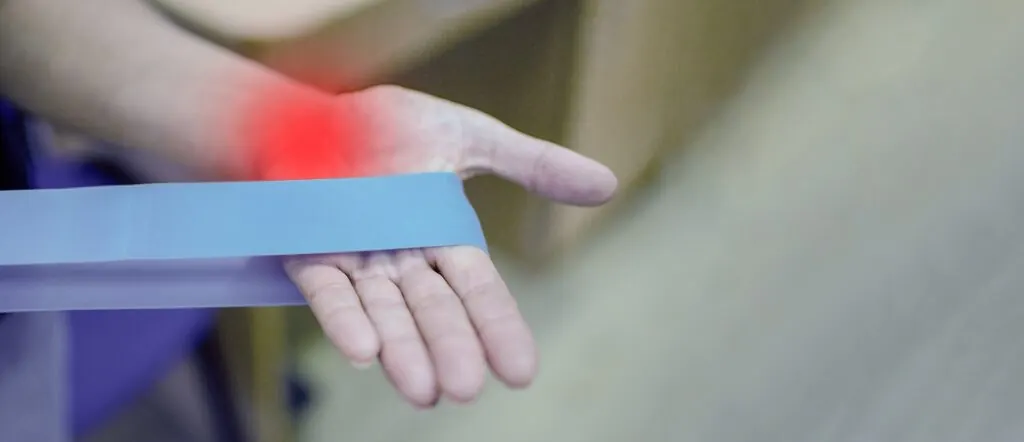
It often starts with something so small that you barely notice it. A slight tingling in your fingers, a mild numbness while holding your phone, or a strange burning feeling in your wrist. You ignore it, thinking it is just temporary fatigue or overuse. But over time, these small signals begin to interfere with your daily life, making simple tasks like typing, gripping, or even sleeping uncomfortable. What seems minor today can quietly turn into a serious problem if left untreated.
That is why recognizing the early signs of Carpal Tunnel Syndrome is so important. The good news is that early action can make a big difference. With the right awareness, care, and simple solutions, you can stop the condition from getting worse and protect your hand function. This guide is designed to help you understand those early warning signs and take control before the problem progresses. You can also explore more expert-backed advice on this orthopedic health platform.
What is Carpal Tunnel Syndrome
Carpal Tunnel Syndrome occurs when the median nerve becomes compressed as it passes through the carpal tunnel in the wrist. This tunnel is a narrow passage surrounded by bones and ligaments. When swelling or inflammation occurs in this area, it puts pressure on the nerve. This leads to discomfort, weakness, and abnormal sensations in the hand, similar to how nerve-related pain develops in conditions like burning shoulder pain causes.
Common Early Signs
Tingling and Numbness
One of the first signs of Carpal Tunnel Syndrome is tingling or numbness in the fingers. This usually affects the thumb, index finger, middle finger, and part of the ring finger. The sensation may feel like pins and needles and often appears during activities or at night. Many people notice the need to shake their hands to relieve the feeling. Ignoring this symptom can lead to worsening nerve irritation over time.
Burning Sensation
A mild burning feeling in the hand or wrist can be an early warning sign. This sensation may come and go and is often mistaken for temporary discomfort. It can spread from the wrist into the fingers, especially after repetitive movements. Over time, the burning feeling may become more frequent. Early management can help reduce inflammation and nerve pressure.
Weakness in the Hand
Weakness in the hand is another early symptom that should not be overlooked. You may find it difficult to grip objects firmly or notice that items slip from your hand. This happens because the affected nerve controls some of the hand muscles. The weakness may start gradually and become more noticeable over time. Strength loss can interfere with daily tasks if not addressed.
Pain in Wrist or Hand
Pain may begin in the wrist and extend into the hand or fingers. In the early stages, the pain is usually mild and may appear after activity. It can also travel up the arm in some cases. Many people ignore this symptom, thinking it is due to temporary strain. However, repeated episodes can indicate nerve compression.
Night-Time Symptoms
Symptoms of Carpal Tunnel Syndrome often become more noticeable at night. Tingling, numbness, or pain may wake you from sleep. This happens because wrist position during sleep can increase pressure on the nerve. Many people feel relief by changing hand position or shaking the hand. Frequent night symptoms are a strong early indicator of the condition.
Risk Factors
Certain factors increase the likelihood of developing Carpal Tunnel Syndrome. Poor daily habits and lack of movement, as explained in how everyday choices affect joint health, can also contribute over time.
- Repetitive hand movements such as typing or assembly work
- Poor wrist posture during daily activities
- Prolonged use of computers or mobile devices
- Health conditions like diabetes or arthritis
- Pregnancy, due to fluid retention
- Obesity or lack of physical activity
When to Seek Medical Help
It is important to seek medical advice if symptoms persist or worsen over time. Early diagnosis can prevent permanent nerve damage. If numbness, weakness, or pain becomes frequent, a healthcare professional should be consulted. Delaying treatment may lead to loss of hand strength and coordination. Proper evaluation helps determine the best course of action.
Prevention Tips
Avoid excessive strain on the wrist. Adding simple mobility routines like targeted recovery exercises can also help reduce strain and improve function.
- Maintain proper wrist position while working
- Take regular breaks during repetitive tasks
- Use ergonomic tools and equipment
- Perform hand and wrist stretching exercises
- Avoid excessive strain on the wrist
- Keep hands warm to improve circulation
FAQs
1. What are the earliest signs of Carpal Tunnel Syndrome
Tingling, numbness, and mild pain in the fingers are the most common early signs.
2. Which fingers are affected first
The thumb, index, middle, and part of the ring finger are usually affected.
3. Can symptoms come and go
Yes, early symptoms often appear occasionally and may worsen over time.
4. Is night pain common
Yes, symptoms often become worse at night and may disturb sleep.
5. Can it affect both hands
Yes, it can affect one or both hands depending on usage.
6. Is it caused by typing
Repetitive typing can contribute, but it is not the only cause.
7. Can it go away on its own
Mild cases may improve with rest and lifestyle changes.
8. When should I see a doctor
If symptoms persist, worsen, or affect daily activities.
9. Can exercise help
Yes, stretching and strengthening exercises can reduce symptoms.
10. Is it a serious condition
It can become serious if left untreated and lead to nerve damage.
Conclusion
Early signs of Carpal Tunnel Syndrome should not be ignored, as they can worsen over time. Recognizing symptoms such as tingling, burning, and weakness allows for early intervention. Simple lifestyle changes and proper care can prevent the condition from progressing. Seeking medical advice when needed ensures proper diagnosis and treatment. Taking timely action helps maintain hand strength and overall function.
Disclaimer
This content is for informational purposes only and should not be considered medical advice. Always consult a qualified healthcare professional for proper diagnosis and treatment.
This article is for education purpose only and is not a diagnosis or a substitute for medical advice.