
Post-Surgical Back Pain: Causes, Recovery Tips & Pain Relief Guide
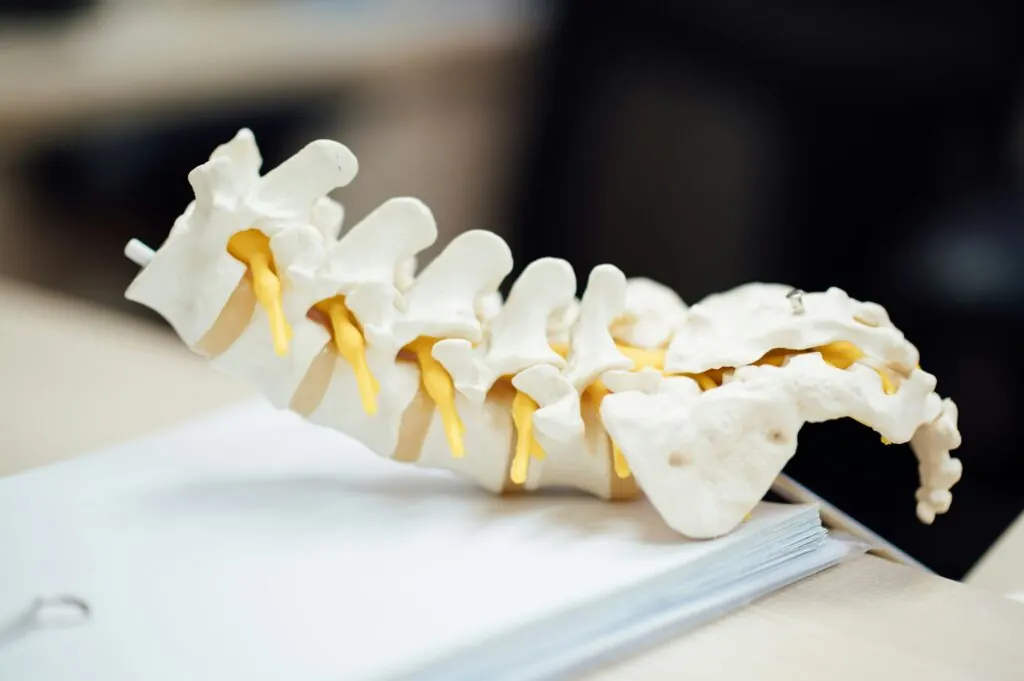
Recovering from back surgery is a critical phase that requires careful attention, patience, and the right strategies to manage pain effectively. While surgical procedures such as spinal fusion, discectomy, or laminectomy are performed to relieve chronic discomfort and restore function, it is completely normal to experience pain during the healing process. This post-surgical pain is often a result of tissue healing, inflammation, and temporary nerve sensitivity, making proper pain management an essential part of recovery.
For many patients, the challenge is not just dealing with the pain itself but understanding how to manage it safely without slowing down the healing process. Poor recovery habits, such as prolonged bed rest, incorrect posture, or ignoring rehabilitation exercises, can lead to delayed healing or even long-term complications. On the other hand, following a structured recovery plan that includes guided movement, proper rest, and medical support can significantly reduce discomfort and improve outcomes.
In this guide, you will learn practical and effective ways to manage post-surgical back pain, including medication use, physical therapy, lifestyle adjustments, and preventive measures. Whether you are in the early recovery stage or looking to improve long-term results after surgery, adopting the right approach can help you regain mobility, reduce pain, and return to your daily routine more safely and confidently.
What Causes Pain After Back Surgery?
Post-surgical back pain is a normal part of recovery and usually occurs as the body heals from the procedure. The intensity and duration of pain can vary depending on the type of surgery and individual healing response.
- Tissue healing & inflammation: Natural response after surgery
- Nerve irritation: Sensitive or healing nerves can cause discomfort
- Muscle stiffness: Limited movement leads to tight muscles
- Scar tissue formation: May affect nearby nerves
- Surgical impact: Temporary trauma to surrounding structures
Effective Ways to Manage Post-Surgical Back Pain
Managing post-surgical back pain goes beyond just taking medication—it requires a comprehensive approach that supports healing at every stage. After surgery, your body undergoes significant changes, including tissue repair, reduced mobility, and muscle weakness. Without proper care, these factors can slow recovery and even lead to long-term discomfort.
A well-structured recovery plan that combines medical treatment, controlled physical activity, and healthy lifestyle habits can significantly improve outcomes. By following the right strategies consistently, patients can reduce pain, restore mobility, and prevent future spinal issues.
1. Follow Prescribed Medications
Medications are one of the most important for controlling pain and inflammation immediately after surgery. They help patients stay comfortable enough to move, rest, and participate in rehabilitation activities. However, improper use can lead to side effects or dependency, so it is important to follow medical guidance strictly.
- Take medications exactly as prescribed, without skipping or doubling doses
- Use anti-inflammatory drugs to reduce swelling and discomfort
- Avoid self-medication or mixing drugs without medical approval
- Monitor side effects such as dizziness, nausea, or stomach issues
- Gradually reduce reliance on painkillers as recovery improves
2. Begin Physical Therapy Gradually
Physical therapy is essential for rebuilding strength, improving flexibility, and restoring normal movement patterns after surgery. Starting too aggressively can cause strain, while delaying therapy can lead to stiffness and weakness. A gradual and guided approach ensures safe and effective recovery.
- Start with low-impact, supervised exercises
- Focus on strengthening core muscles to support the spine
- Include gentle stretching to improve flexibility
- Progress exercises slowly as your body adapts
- Stay consistent with your physiotherapy schedule
3. Stay Active (Avoid Bed Rest)
While rest is necessary during the initial recovery phase, prolonged bed rest can actually worsen pain and delay healing. Movement helps improve blood circulation, reduce stiffness, and maintain muscle strength. The key is to stay active without overexerting yourself.
- Begin with light walking to promote circulation
- Increase activity levels gradually over time
- Avoid sitting or lying down for extended periods
- Take short movement breaks throughout the day
- Listen to your body and avoid pushing through severe pain
4. Maintain Proper Posture
Posture plays a critical role in reducing strain on the spine during recovery. Poor posture can increase pressure on healing tissues and lead to prolonged discomfort. Being mindful of how you sit, stand, and move can make a significant difference in pain management.
- Keep your spine in a neutral, aligned position
- Use ergonomic chairs with proper lumbar support
- Avoid slouching, especially during long sitting periods
- Adjust your workstation to maintain good posture
- Practice posture awareness during daily activities
5. Use Cold and Heat Therapy
Cold and heat therapy are simple, non-invasive methods to manage pain and inflammation at different stages of recovery. When used correctly, they can provide immediate relief and support the healing process.
- Apply cold packs in the early days to reduce swelling
- Use heat therapy later to relax tight muscles
- Limit application to 15–20 minutes per session
- Avoid direct contact with skin to prevent irritation
- Follow your doctor’s recommendations for timing
6. Improve Sleep Position
Quality sleep is essential for healing, but poor sleeping posture can increase back pain and slow recovery. Choosing the right sleep position helps reduce pressure on the spine and keeps it properly aligned.
- Use a firm mattress for better spinal support
- Sleep on your back with a pillow under your knees
- Side sleeping with a pillow between the legs
- Avoid sleeping on your stomach as it strains the spine
- Maintain consistent sleep habits for better recovery
7. Avoid Heavy Lifting
Lifting heavy objects too soon after surgery can place excessive strain on healing tissues and increase the risk of re-injury. Protecting your spine during this phase is crucial for long-term recovery success.
- Follow weight restrictions provided by your doctor
- Avoid bending, twisting, or sudden movements
- Use proper lifting techniques when necessary
- Ask for assistance with heavy tasks
- Gradually return to normal activities when cleared
8. Focus on Nutrition
Nutrition plays a vital role in recovery by supporting tissue repair, reducing inflammation, and boosting overall health. A well-balanced diet can speed up healing and improve energy levels during recovery.
- Consume protein-rich foods to repair tissues
- Include fruits and vegetables for vitamins and minerals
- Add anti-inflammatory foods like nuts and fatty fish
- Stay hydrated to support bodily functions
- Limit processed and high-sugar foods
9. Manage Body Weight
Excess body weight increases pressure on the spine, which can slow down recovery and worsen pain. Maintaining a healthy weight helps reduce stress on the back and supports better healing outcomes.
- Follow a balanced diet to avoid weight gain
- Incorporate light physical activity when possible
- Monitor calorie intake during reduced activity levels
- Focus on gradual, sustainable weight management
- Build long-term healthy lifestyle habits
10. Attend Follow-Up Appointments
Regular follow-up visits allow your doctor to monitor your healing progress and make necessary adjustments to your recovery plan. Early detection of issues can prevent complications and ensure a smoother recovery.
- Attend all scheduled medical appointments
- Track your recovery progress and symptoms
- Report any unusual pain or discomfort
- Follow updated medical advice carefully
- Adjust your routine based on professional guidance
Common Mistakes to Avoid
During recovery, many patients unintentionally delay healing by following incorrect habits or ignoring medical advice. Even small mistakes can increase pain, prolong recovery time, or lead to complications. Being aware of these common errors helps ensure a smoother and safer healing process.
- Ignoring pain signals: Pushing through pain can worsen the condition and delay recovery
- Skipping physical therapy: Missing sessions reduces mobility and slows strength rebuilding
- Sitting too long without movement: Leads to stiffness and poor circulation
- Returning to activities too early: Increases risk of re-injury or surgical failure
- Not following medical advice: Ignoring guidelines can negatively impact healing outcomes
Recovery Timeline (General Overview)
Recovery after back surgery varies depending on the type of procedure, age, and overall health of the patient. However, most individuals follow a general healing pattern, with gradual improvements in pain, mobility, and strength over time. Understanding this timeline helps set realistic expectations and reduces unnecessary stress during recovery.
- 1–2 weeks: Pain, swelling, and discomfort are most noticeable; rest and basic movement are essential
- 2–6 weeks: Gradual improvement begins with light activities and physical therapy
- 6–12 weeks: Strength, flexibility, and mobility improve significantly
- 3–6 months: Most patients return to normal daily activities with minimal discomfort
- 6+ months: Full recovery and long-term stability (varies by surgery type)
When to Seek Medical Attention
While mild to moderate pain is a normal part of recovery, certain symptoms may indicate complications that require immediate medical attention. Ignoring these warning signs can lead to serious health risks, so it is important to act quickly if they occur.
- Severe or worsening pain: Pain that does not improve or suddenly increases
- Fever or infection signs: Redness, swelling, or discharge at the surgical site
- Numbness or weakness: Especially in the legs or lower body
- Loss of bladder or bowel control: A serious condition requiring urgent care
- Persistent swelling or unusual symptoms: Any abnormal changes should be evaluated
FAQs
1. How long does post-surgical back pain last?
Post-surgical pain typically improves within a few weeks, but complete recovery can take several months depending on the procedure and individual healing capacity.
2. Is walking helpful after back surgery?
Yes, gentle walking is highly recommended as it improves blood circulation, reduces stiffness, and promotes faster healing without putting excessive strain on the spine.
3. Can I sit for long periods?
No, prolonged sitting should be avoided during early recovery as it increases pressure on the spine and may slow down the healing process.
4. When can I start exercising again?
Exercise should only begin after approval from your doctor or physiotherapist, usually starting with light, guided movements before progressing further.
5. Is pain normal after surgery?
Yes, mild to moderate pain is a natural part of the healing process, but it should gradually decrease over time with proper care and management.
Conclusion
Effective management of post-surgical back pain is essential for achieving a smooth and successful recovery. While some discomfort is expected, following the right strategies—such as proper medication use, guided physical therapy, and healthy lifestyle habits—can significantly reduce pain and improve healing outcomes.
Consistency is the most important factor during recovery. Patients who stay active within limits, maintain proper posture, and follow medical advice closely are more likely to regain mobility faster and avoid long-term complications. By understanding the recovery process and avoiding common mistakes, you can support your spine’s healing and return to normal activities with confidence.
Medical Disclaimer
This content is for informational and educational purposes only and should not be considered medical advice. Always consult a qualified healthcare professional or your doctor before starting any treatment, exercise program, or making changes to your recovery plan. Individual recovery may vary based on medical condition, surgery type, and overall health.
This article is for education purpose only and is not a diagnosis or a substitute for medical advice.
Explore more pain management guides for related symptoms, treatment options, and recovery information.